Skip to content
IEMI Labs

StudyOne

IEMI's one product for a child's study desk: the desk lamp, made smart

Concept · not for sale
Our one product for Kids learning: the study deskEngineering design: StudyOne
Target price from$279per smart desk lamp

Software: $4 per month (parent summary and app)

Concept, not for sale yet. Tell us if you want it; that decides what we build.

Rate this idea and tell us what to change
StudyOne concept: the idea and where each part goes

Drag to rotate · right-drag to move · scroll to zoom · click a part for its size and placeSwipe to rotate · pinch to zoom · two fingers to move · tap a part for its size

How it fits together

StudyOne, part by part

Scroll or tap a part. Press “See the 3D CAD design” to watch the model, built from our CAD, light each part up and show how it connects.

StudyOne concept: the idea and where each part goes

Real-time 3D render · drag to rotate · final design may varySwipe sideways to rotate

  1. 01

    The whole StudyOne

    The desk lamp is the study desk's own helper: a page camera, a mic, an eye-distance sensor and a light sensor inside the lamp head feed one brain that checks sums and spelling, follows reading aloud, calls breaks and eye distance, shows each call on the lamp with a voice, and sends the parent one summary.

  2. 02Brain

    Raspberry Pi Zero 2 W (in the lamp head)

    The brain: it runs the studyone-fw program

  3. 03

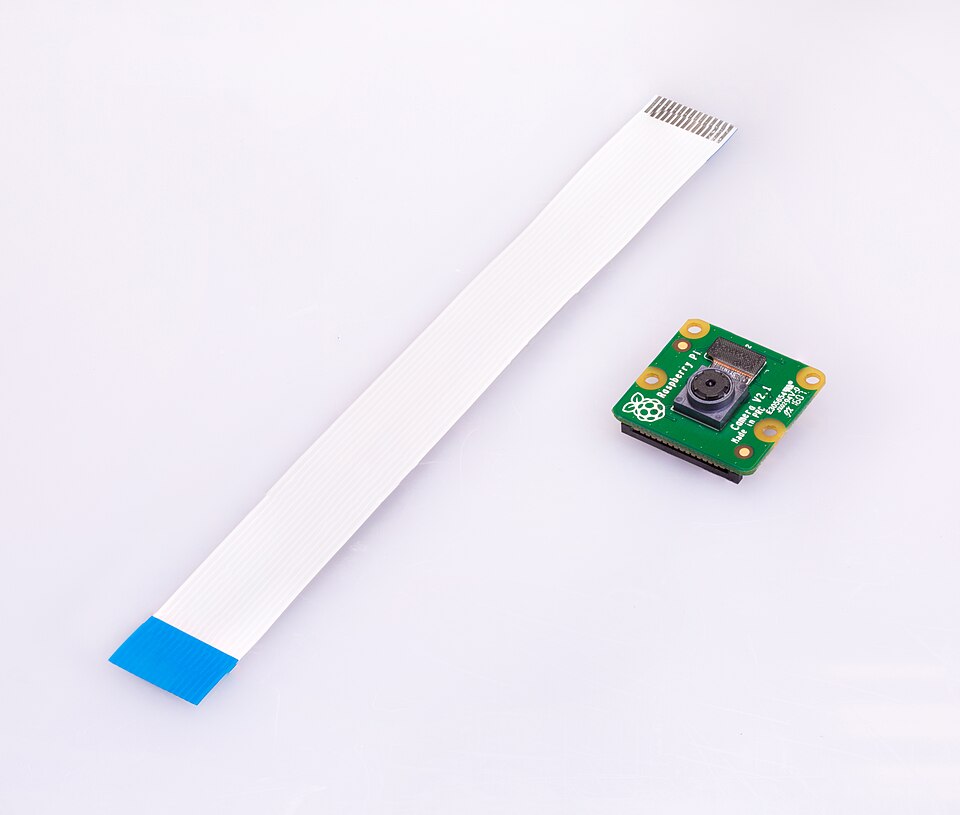
    Page camera

    Reads the sums and spelling on the page, the page being read aloud, and a lit phone or tablet on the desk

    Raspberry Pi Zero 2 W (in the lamp head) · CSI-2 ribbon · Page frames, 2 a second while working

  4. 04

    Reading mic

    Hears the child read aloud and spell words; speech stays on the lamp

    Raspberry Pi Zero 2 W (in the lamp head) · I²S · Audio, 16 kHz

  5. 05

    Eye-distance sensor

    Measures the head's distance from the lamp: too close to the page, sat down, left the desk

    Raspberry Pi Zero 2 W (in the lamp head) · I²C · Distance, 10 times a second

  6. 06

    Page light sensor

    Measures the light on the page so the lamp holds about 500 lux

    Raspberry Pi Zero 2 W (in the lamp head) · I²C · Lux

  7. 07

    Reading light, call light and voice

    The reading light, plus each call on the lamp: green tick, amber 'look again', blue break; the voice reads words and hints through the base speaker

    Raspberry Pi Zero 2 W (in the lamp head) · One data wire + I²S · Light colour and voice

  8. 08

    Secure element and tamper switch

    Signs each call and the evening summary; marks the log and locks the camera if the head cover is opened

    Raspberry Pi Zero 2 W (in the lamp head) · I²C + GPIO · Signatures, tamper flag

  9. 09

    All connected

    7 key parts, one program, and your phone

Our circuit board · rev A-0

One board of our own inside StudyOne

Every chip on one board we design, shaped to fit: the processor, cameras and sensors, Wi-Fi and Bluetooth, lights, sound and power. No plugs, ribbons or adapters. It is checked in our CAD against every part around it, and it arrives from the maker ready to run our software from a microSD card. Turn the model, or pick a part below to see where it sits.

Loading the 3D board…

Drag to turn · scroll to zoom · right-drag to move · click a partDrag to turn · tap a part

Checked before we order

Every board-level number StudyOne's jobs depend on, checked against its target: camera pixels and frame rate, power and battery life, heat where it works, shock, radio and software. Every lesson from every one of our boards is a rule here, so this review runs again whenever any board teaches us something. Boards are ordered only when nothing fails and the items to prove are measured.

No check fails15 pass · 5 fixed by the review · 8 to prove before we order · 0 failDesign review of 4 November 2026
AreaCheckOur boardTargetStatus
CameraPage camera: a 4 mm handwritten digit at the farthest page corner at 0.491 m19.9 px≥ 15 pxpasses
CameraPage camera: frame rate the calls need5 fps at 3840 × 2160chip: 30 fps at 3840 × 2160passes
CameraPage camera: data rate vs its 4-lane link0.41 Gbps (10-bit)≤ 80 % of 3.564 Gbpspasses
CameraPage camera: a spelling letter, 3 mm, at the page centre at 0.452 m16.2 px≥ 12 pxpasses
CameraPage camera: frame rate the calls need5 fps at 3840 × 2160chip: 30 fps at 3840 × 2160passes
CameraPage camera: data rate vs its 4-lane link0.41 Gbps (10-bit)≤ 80 % of 3.564 Gbpspasses
CameraImage processor load, all cameras83 Mpx/s≤ 360 Mpx/s (RV1126B ISP)passes
CameraAI engine time per frame3 TOPSthe answer just written read in under 1 s; the reading-aloud speech model on the mic at the same timeto prove on the dev kit
PowerSupplya listed 5 V 3 A USB-C adapter at the wall socket (SELV, IEC 60598-2-10 asks for no mains in a child's lamp)≤ 70 % of the adapter (15 W)passes
HeatRV1126B temperature, a warm bedroom desk in summer (30 °C) with the reading light on50 °C≤ 85 °C (rated)passes
HeatCamera chip away from warm partsprocessor 203.7 mm, reading LEDs 25.2 mm, LED driver 73 mm from the camera chip≥ 20 mmpasses
ShockShock and vibration200 g (est.)standard partspasses
SoftwareStarts our software from the microSD card, no setupmicroSD socket with a hinged, latched lid (Amphenol 101-00660 class), fitted on every board: our software starts from the cardcard socket fitted on every board, latchedpasses
SoftwareCard power switch and protection1 power switch and 1 ESD array for 1 card socketevery socket: switched card supply, ESD on all 6 linesfixed by the review
SoftwareThe card wins the starteMMC shipped empty; our loader reads the card firstthe processor starts from the card every timefixed by the review
SoftwareCard gradeindustrial pSLC microSD (Kingston Industrial or Swissbit S-56u), −40 to 85 °Crated for the heat, cold and writesto prove on the dev kit
SoftwareClip buffer for an unsure call9.9 s of 8-bit 5 fps video in 40 % of the 1 GB memory≥ 3 spasses
RadioWi-Fi/BT module clock37.4 MHz MEMS oscillator (Y3)37.4 MHz next to the AP6256fixed by the review
RadioWi-Fi from inside a steel lamp headchip antenna at the head board's left edge, radiating down through the opal covercertified Wi-Fi 5 moduleto prove on the dev kit
MoistureConformal coatingcoatedcoated, sensors, sockets and antennas maskedpasses
FitBoard inside the product CAD, every part checked in 3Dnot yet in the product CADnothing touchesto prove on the dev kit
CameraEvery page, desk and pencil call in the camera viewworst 33.4° across, 22.1° alonginside ±45° × ±29° (90 × 59° lens)passes
CameraCamera window in the head coverthe 90 × 59° view needs a 16.3 mm window at the cover's lower faceØ17 window (CAD rev T)fixed by the review
SensorsEye-distance chip on its 45° tabaxis 0.00 mm from the window centre; too-close calls 4.3° and 10.2° off the axis; the cone needs a 10.6 × 11.1 mm windowinside the 27° cone; window 11 × 12 (CAD rev T)fixed by the review
LightReading light for a child's eyes16 white LEDs, 4000 K, CRI 95, analogue dimming (no flicker), about 500 lux on the page (est.)IEC 62471 risk group 0 (blue light) at 200 mm; IEC TR 61547-1 flicker; IEC 60598-2-10to prove on the dev kit
HeatHead arm surface a child can touchabout 1.2 W processor and 3.2 W LEDs into a 60 × 30 × 400 steel arm (est. under 45 °C)IEC 60598-2-10 touch limitsto prove on the dev kit
FitTamper switch against the head coverD2F-01 6.5 mm tall in a 12 mm gap; a 5.5 mm boss on the cover presses itpressed when the cover is screwed on, released when it is openedto prove on the dev kit
FitTail down the column18 mm wide, about 508 mm, through the 24 × 24 column (est.)routed and held in the rev T CAD, carrying 3 A at 5 Vto prove on the dev kit

Before we order the first boards, we prove these on the RV1126B development kit or in the rev A tests:

  1. AI engine time per frame
  2. Card grade
  3. Wi-Fi from inside a steel lamp head
  4. Board inside the product CAD, every part checked in 3D
  5. Reading light for a child's eyes
  6. Head arm surface a child can touch
  7. Tamper switch against the head cover
  8. Tail down the column

Demo · 6 real-world moments

See StudyOne work

Short animated scenes of real moments: what happens today, what StudyOne does about it, and what lands on your phone. The same scenes play in the IEMI app.

DEMO · 1 of 6
0s

Mum is at work until 6; at 16:30 Aisha sits down and opens her maths book.

Use cases

Today, without StudyOne

With a parent at work, homework time runs on trust; the parent finds out at 7 pm what was done, or not.

What StudyOne does

When she sits and opens a book, the lamp starts the focus timer and runs homework time itself: breaks, eye distance, light, sums and spelling with hints, reading aloud. Anything it cannot read is 'ask a grown-up', never marked wrong. The parent gets one summary.

How the app helps

  • One summary at the end of homework
  • The unsure answer to look at together later
  • Focus time per day this week
Parent at work modeFocus timer and breaksHomework check with hintsParent summaryOpen this scene in the app →
Every feature in these scenes (12)
  • Parent at work mode
  • Focus timer and breaks
  • Homework check with hints
  • Parent summary
  • Page camera
  • Lights and voice on the lamp
  • Reading along
  • On-device speech
  • Screen on the desk
  • Eye distance
  • Page light held at 500 lux
  • Spelling practice

Demo scenes show how StudyOne and its app are designed to behave. StudyOne is in design; nothing here is recorded from real equipment yet.

What it is

IEMI's one product for a child's study desk: the desk lamp, made smart, with one brain and one app.

What it does

  • Checks sums and spelling with hints
  • Follows reading aloud
  • Calls breaks, eye distance and dim light
  • Sends the parent one evening summary

Who it's for

Parents of children aged about 6 to 12, and tutoring centres.

The idea

The desk lamp over a child's homework checks the sums, listens to the reading, calls the breaks and minds the eyes, then tells the parent

The problem today

Parents of school-age children juggle a homework app, a reading app, a timer, a posture gadget and an eye-care lamp, or sit next to the child every evening. The moments that matter all happen in the pool of light over the desk: a sum done wrong, a word skipped, 40 minutes without a break, a nose 15 cm from the page, a tablet that crept onto the desk.

With StudyOne

The lamp is already on the desk. StudyOne puts a page camera, a mic, an eye-distance sensor and a light sensor inside it, so it gives hints on sums and spelling, follows the child reading aloud, calls breaks and 'sit up a little' on its own light and voice, and sends the parent one evening summary, with no video leaving the lamp.

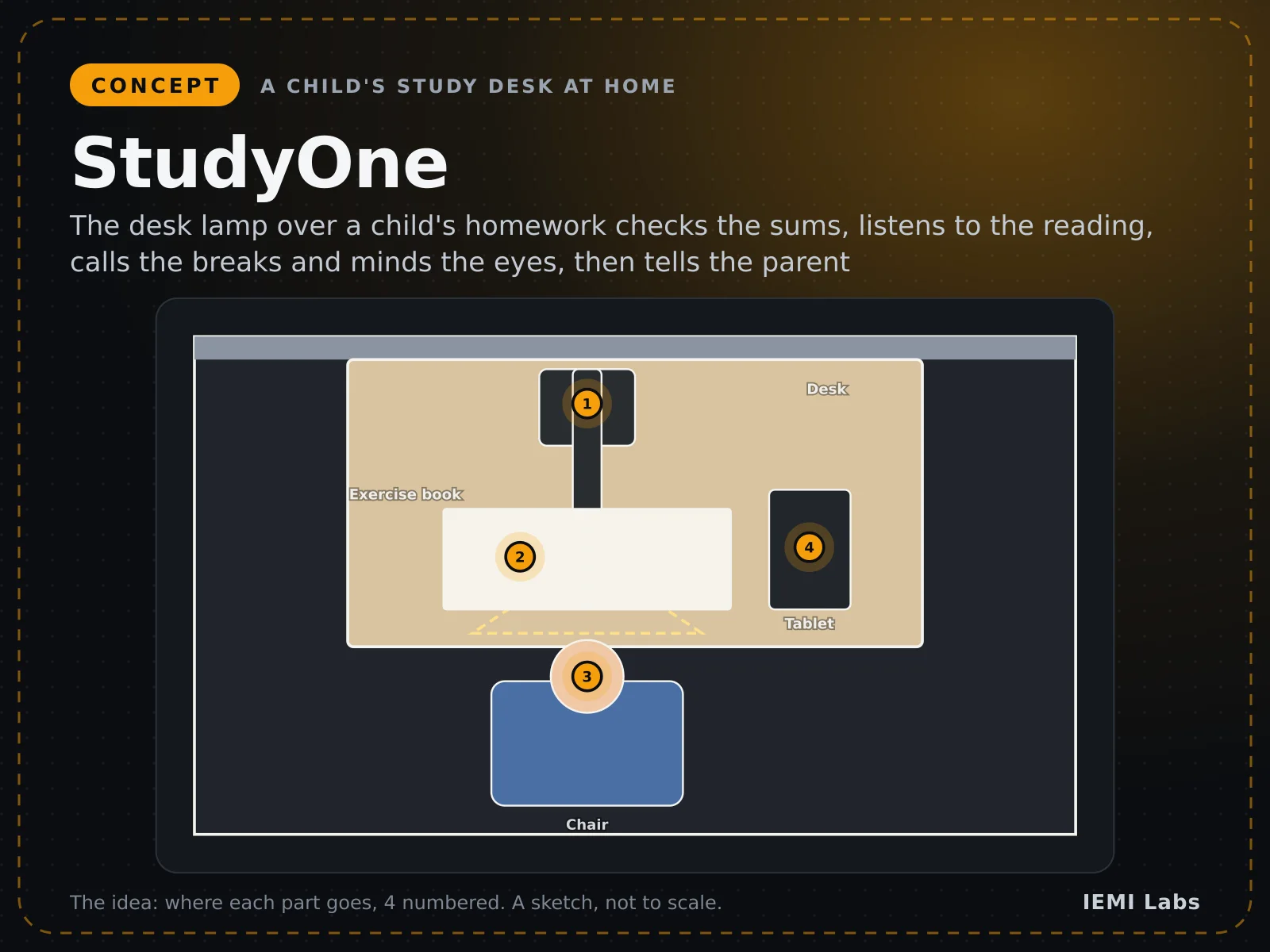
ChairTabletExercise bookDesk1234
  1. 1Smart desk lamp (the one product)Brain, page camera, mic, eye-distance and light sensors, reading and call lights in the head; speaker in the base
  2. 2The page under the headSums and spelling checked with hints, reading aloud followed word by word, light held at about 500 lux
  3. 3The child's headToo close to the page for 10 s: amber light and 'sit up a little'; breaks every 20-25 min
  4. 4Tablet on the deskA lit screen during homework goes in the parent's evening summary
A child's study desk at home, drawn to show where each part goes (not to scale).

How the parts connect

StudyOne, wired up

Every part, what links it to the brain, and how the data reaches your phone. A solid line is a cable; a dashed line is a radio link.

Page cameraPage frames, 2 a second while workingCSI-2 ribbonReading micAudio, 16 kHzI²SEye-distance sensorDistance, 10 times a secondI²CPage light sensorLuxI²CReading light, call light and…Light colour and voiceOne data wire + I²SSecure element and tamper swi…Signatures, tamper flagI²C + GPIOTHE BRAINRaspberry Pi Zero 2 W (in…runs studyone-fwPython with C extensionsIEMI cloudvia Home Wi-Fi (WPA3) · MQTT over TLSParent phonesvia Push
Drawn from the StudyOne parts list. The 3D view above is built separately, from the CAD.

The program

What controls StudyOne

Runs on
Raspberry Pi Zero 2 W
Written in
Python with C extensions
System
Raspberry Pi OS Lite (64-bit)
AI model
Handwriting OCR (int8) and a sums and spelling checker on the page, a speech recogniser constrained to the page text for reading aloud, a lit-screen detector, focus and eye-distance rules; every call carries a confidence, and below the line it says unsure
  1. 1Every 0.1 s: read the eye-distance and light sensors
  2. 2Child sat and a book open: start the focus timer, hold the light at about 500 lux
  3. 3Pencil stopped: read the page, check sums and spelling, tick or hint
  4. 4Reading aloud: follow the words, help with a skipped one
  5. 5Head too close for 10 s, break due or bedtime: light and voice; sign each call and add it to the evening summary
studyone-fw.pymain loop
while True:
    d = tof.mm(); lux = veml.lux()             # I2C, 10 Hz
    s = session.update(present=d < 700, book=cam.book_open())
    light.hold(500 if s.on else 0, lux, warm=clock.evening())
    calls = []
    if s.on and cam.pencil_stopped():
        calls += check_page(ocr(cam.frame()), plan.spelling)
    if mic.speaking(): calls += follow_reading(asr(mic.chunk()), page_text)
    calls += eyes_rule(d) + focus_rule(s) + screen_rule(cam.frame())
    for c in calls:
        if c.conf < c.line: c.kind = 'unsure'      # never guess
        atecc.sign(c); show(c); summary.add(c)
    time.sleep(0.1)

To your phone

How the data reaches StudyOne parent app

Parent phones (Android and iPhone)

  1. Desk lamp
  2. IEMI cloud
  3. Parent phones

What you see in the app

One screen for each job StudyOne does.

  • Parent at work modeMum is at work until 6. At 16:30 Aisha sits down and opens her maths book; the lamp starts the focus timer and runs homework time itself.

  • Homework and spellingQuestion 6 says 48 - 19 = 31. The call light turns amber and the lamp says 'look again at number 6'. Aisha fixes it to 29: green tick.

  • Reading aloudAisha reads her school book aloud under the lamp. She skips 'through'; the lamp quietly says 'try that word again' and she reads it.

  • Focus and breaksAfter 22 minutes of maths the call light turns blue, a chime plays and the lamp dims: 5 minutes' break, look out of the window.

  • Eyes and lightAisha leans in to colour a map, her head 18 cm from the page for 10 s. The light turns amber: 'sit up a little'. At 19:30 the light warms for the evening.

App screens with sample data. The interface is in development.

What the app gets

Data StudyOne sends to the app
HomeworkMaths p.14: 9 of 10 right first time, 1 after a hintEach session
SpellingThis week's 12 words: 10 right, 'because' and 'friend' to practiseEach practice
Reading14 min aloud, 2 words helpedEach session
Focus and breaks42 min focus, 2 breaks takenEach session
Eyes and lightToo close 3 times, light 480-520 luxEach session
Screen on the deskTablet lit 6 min during homeworkEach session

The camera looks only down at the desk and the mic only listens for reading and spelling; no video or voice leaves the lamp. Only signed calls, counts and the words to practise reach the parent app, after parental consent.

CAD design · Stage 2 ready, 28 Oct 2026 (rev A design): smart desk lamp that runs homework time itself (8 calls, 6 alone, 2 assist), call light and voice, ATECC608 and tamper switch inside; 10 sensor views checked in the CAD; not built

Designed in code, checked in 3D

  • 3 printed parts, each a single closed solid
  • Every bought part fitted inside and checked for collisions
  • Assembled exactly as shown in the 3D CAD view (the button on the picture at the top)

Key specs

StudyOne hardware
AI processorOne board of our own inside the lamp: Rockchip RV1126B processor with 1 GB memory in the head arm. The bench lamp uses a Raspberry Pi Zero 2 W until the boards arrive
SensorsSony IMX415 8 MP camera chip in the head, looking straight down at the page (90° lens) · ST VL53L1X eye-distance chip on a tab folded 45° towards the child · Vishay VEML7700 page-light chip and an Infineon IM69D130 mic (reading aloud, spelling) · 16 white reading LEDs (4000 K, flicker-free), 8 call-light LEDs, the speaker amp, a security chip and a tamper switch
ConnectivityWi-Fi (WPA3), MQTT over TLS · BLE for parent pairing only
PowerListed 5 V 3 A USB-C adapter at the wall, into a USB-C inlet on our board (only 5 V in the lamp): about 1.5 W watching and 6.5 W at peak with the reading light at full (est.)
EnclosureThe lamp itself: steel base with ballast, aluminium column and head arm, printed opal head cover
DimensionsBase 200 x 160 mm, head arm 60 x 400 mm at 450-480 mm
WeightAbout 2.3 kg, about 0.15 kg more than a plain bar lamp (est.)
Ingress ratingIndoor; spill tests in the first build
All target specifications

Jobs

Jobs target specifications
HomeworkSums and spelling, hints only
ReadingReading aloud followed
FocusTimer and breaks
Eyes and lightToo close, about 500 lux
ParentOne evening summary

Legal at the desk

Legal at the desk target specifications
LampChildren's luminaire (IEC 60598-2-10), 5 V only
StabilityTilt-checked base
Child's dataCOPPA (as amended 2025) and GDPR-K parental consent; separate consent for cloud help; no voice or face templates
NotAn eye test, attention test or tutor

Targets for production units; they may change during development.

Pricing

Hardware: $279 per smart desk lamp

Software: $4 per month (parent summary and app)

Target pricing (stage 2, raised from $229 so a first batch is not sold below cost). Bought separately, an eye-care study lamp (about $249, est.), a posture trainer (about $80, est.), a focus timer (about $15, est.), a homework app (Photomath Plus $9.99 a month) and a reading app (Ello $14.99 a month) add up to about $344 + $25/month. Parts cost about $188 per lamp at qty 1 including the lamp body (prices checked 28 Oct 2026; lamp body est.).

Smart desk lamp

$279 + $4/month

Every study-desk job in the lamp over the page.

  • Sums and spelling hints
  • Reading-aloud help
  • Focus timer and breaks
  • Eye distance and light
  • Evening parent summary

Indicative launch pricing in USD, excluding taxes and shipping. Final pricing is confirmed before any balance is charged.

Community

What do you think of StudyOne?

StudyOne is in development. Rate the idea, tell us what to change about the features, specs or price, and we'll build it with your feedback.

How much people want it

–

No ratings yet

  1. 50
  2. 40
  3. 30
  4. 20
  5. 10

Follow StudyOne

Get build updates and first access when pre-orders open.

Leave feedback

Your rating of the idea

Feedback on a product concept in development, not a review of a shipped product. Posts may be moderated; links and contact details are held for review. See our community guidelines and privacy policy.

Comments

    No comments yet. Tell us what you'd want from StudyOne.

    Questions

    Ask about StudyOne

    Tell us what this would save you, or ask anything. We reply within two business days.

    We use your details only to respond to this request. See our privacy policy.

    From the product lab · ideation phase

    Lab updates for StudyOne

    All lab updates
    1. LatestA parent buys StudyOne as the child's desk lamp, so its electronics must be one board an assembly house makes and tests the same way, with nothing plugged together inside the lamp, only 5 V in a child's luminaire (IEC 60598-2-10), a reading light that is safe for a child's eyes (IEC 62471), and enough camera detail to read a child's handwritten answer at the far corner of the page.
      • What we designed: one rigid-flex board inside the desk lamp. An 8-layer head board, 358 by 50 mm, lies flat in the hollow steel head arm 12 mm over the opal cover. Underneath, an 8-megapixel camera chip under a small lens looks straight down at the page; sixteen white LEDs (4000 K, high colour quality, no flicker) are the reading light and eight colour LEDs the call light; a light chip under a short light pipe reads the page light; the mic sits over a new port in the cover; the tamper switch and the latched microSD card sit there too. On top, the RV1126B presses a small aluminium block into the steel arm, which is its heat sink, with the memory, Wi-Fi, security chip and the camera's supplies. At the front end a 12 by 12 mm tab is cut free on a 2 mm hinge and folded 45 degrees down, so the eye-distance chip looks at the child's head. An 18 mm flex runs about half a metre down the column to an 80 by 60 mm base board with the USB-C power inlet, its protection and the speaker amp. It replaces the Pi Zero 2 W, the Camera Module 3 on its ribbon, the mic, distance, light, security and amp boards and three LED sticks. See /build/studyone-boards
      • How we checked it: the board is written as code and opened in KiCad (0 design-rule violations). It places 60 parts at their datasheet sizes and checks that each sits on its board with no overlaps, clear of the tab's slot, with heights that fit every gap; that the camera, reading and call lights, light chip, mic and tamper switch sit on their windows in the lamp design; that all seven camera calls in the lamp design (four page corners, a phone either side of the book, the pencil at the near edge) are in view, the worst at 33.4 degrees against 45; that the folded tab's axis meets the eye window exactly and both too-close calls are inside its cone (4.3 and 10.2 degrees against 13.5); that the boards clear the arm, the column and the speaker; and that the USB-C sits in the back inlet. Design review with the shared rules: 15 pass, 2 fixed, 7 to prove, 0 fail. A 3D model shows it in a see-through lamp or laid flat, and the quote pack and design files are on the board page
      • What we learned: a 4 mm handwritten digit at the far page corner fills about 20 pixels on the 8 MP chip with a 90 degree lens, against the 15 the reading model needs (est.), at 5 frames a second and 12 % of the camera link. With the camera chip on the board under a lens holder, the camera window must grow from 14 to 17 mm, and the eye window from 8 by 10 to 11 by 12 mm for the folded tab: both changes go into the lamp design. The steel arm makes a good heat sink, but its touch temperature with the reading light at full is measured on rev A. About $98 a lamp in electronics at 1,000 (est.), about $32 less than the bench boards
      • What is next: the camera chip and lens holder from their makers' drawings; the board placed in the lamp CAD with every part checked in 3D and the five lamp changes (two bigger windows, a mic port, a tamper boss, the ballast moved forward); and the next product's board, DockOne

      See it in 3DFull research and design

    2. Parents want homework help at the desk without a camera sending their child's day to the cloud. The FTC's updated children's privacy rule (COPPA) has applied in full since 22 April 2026: a separate parent consent before a child's data goes to anyone else, a written limit on how long data is kept, and voiceprints and face templates now count as a child's personal data (FTC, 16 CFR 312).
      • Market and rules check (DESIGN.md): the amended COPPA Rule in force from April 2026, the EU AI Act ban on emotion recognition in schools and the 2026 delay of its high-risk education rules to December 2027, and new camera homework lamps and projector buddies, each with what it changes in StudyOne (sources K1-K8)
      • Privacy: the optional cloud homework help now has its own second consent; a written retention policy (unsure-answer photos 7 days, call log and summaries 12 months, est.); no voice enrolment and no face template; the focus timer never reads faces or feelings
      • Rules: two new rule lines in equipment.json (COPPA as amended in 2025 and the EU AI Act); no CAD change and no new part
      • Market: 6AM's Vicam camera lamps stream the desk to parents, who still do the checking; no competitor found marks the page on the device. Price kept at $279 + $4/mo
      • Product page https://iemilabs.com/products/studyone/ gains a 2026 privacy and AI rules FAQ and a clearer child's data spec
      • Next: ask parents in the phase 3 buyer review whether the second consent is clear and whether 7 days for photos is right; close-out C9 (recommend the first product to the owner) from 30 Oct 00:00

      See it in 3DFull research and design

    3. Before customer reviews start in phase 3, StudyOne and ClassOne need a list of who to ask, their three open questions and a short survey, plus the child-safety and privacy questions every parent and school will ask. This is close-out task C7 in our phase 1 plan.
      • Section "Kids learning" in products/BUYER-REVIEW.md: StudyOne and ClassOne each get who to ask (parents, tutoring centres and a teacher for StudyOne; heads, a trust IT lead, teachers, the data protection lead and a governor for ClassOne, with sources), the three open questions from their stage 2 refinement, a five-question survey and what each answer would change
      • Extra rules for kids reviews: we never speak to a child alone or ask a child to fill in a survey, never film or photograph a child, a homework page or a classroom, ask nothing about results, needs or health, and never suggest the products keep a child safe
      • Four child-safety and privacy questions asked in every kids review: the camera, what leaves the device, who must agree before it is switched on, and how long records are kept, based on the US and UK children's privacy rules and school records law
      • What we learned: for both products the camera is the purchase decision, not a feature, so a camera-off first version is ready as an answer; buyers may also want one job first, and whether to pay once or monthly is still open
      • Next: close-out C8, the same review prep for the eleven industry products

      See it in 3DFull research and design

    4. Before customer reviews, each of the 24 stage 2 products should have its own buyer and its own place, so no customer is asked to buy two products for one job, and the places we do not cover yet should be written down with the reason. This is close-out task C2 in our phase 1 plan.
      • New section "Overlaps and gaps" in products/LINE-REVIEW.md: six look-alike pairs compared on buyer, place, item, calls and price, with sources from each product's buyer check
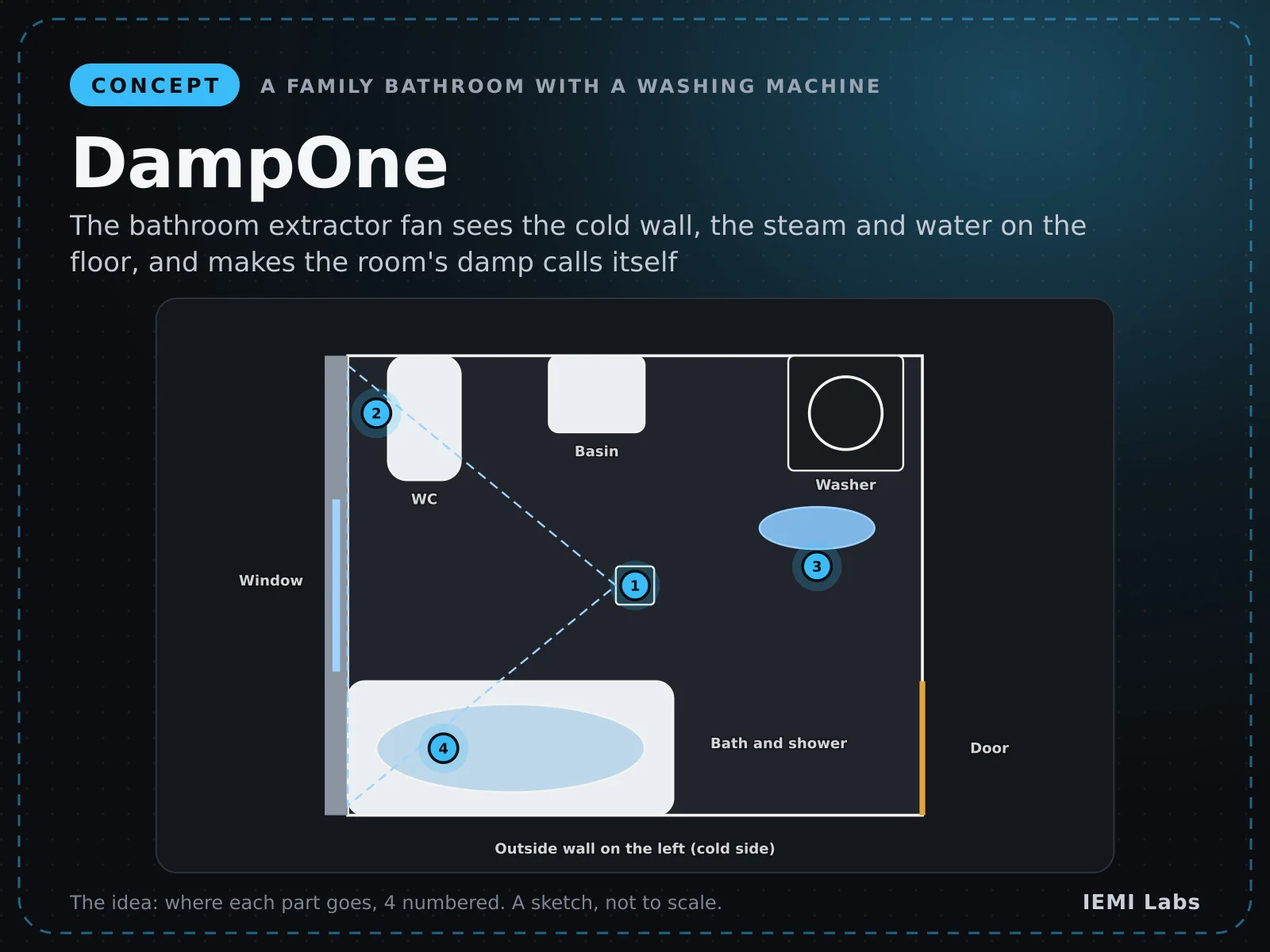
      • What we learned: no two products share a buyer and a place, so none is folded. StudyOne (a parent, one child's desk lamp) and ClassOne (a school, the classroom whiteboard); BedsideOne (a family, a parent living alone) and CareOne (a care home or ward); DampOne (a home bathroom fan) and RoomOne (a hotel room thermostat) each answer a different buyer
      • Each of those six product pages now has a FAQ saying who the other product is for
      • Where two products use the same sensor for the same call (bed exit in BedsideOne and CareOne), phase 3 can test that call once for both
      • One label fixed: AthleticsOne was filed as "School athletics and swimming" but none of its calls covers a pool; it is now "School athletics" and swimming is a listed gap
      • Places with no product yet, each with the reason: rugby and hockey, volleyball and badminton, swimming, golf, children's bedrooms and living rooms, offices, airfields, forklifts, vehicles and gyms
      • Four older catalogue products stay listed beside a flagship because they do a job it does not claim: GasLock LPG (exact cylinder refill), DampHome and PureTrack (the water purifier), WaterLeak AI (the building riser and main valve)
      • Next: close-out C3, one pricing table for all 24 products with BOM cost, margin and what the buyer pays today

      See it in 3DFull research and design

    5. A parent of a child aged about 6 to 12 needs homework checked, reading aloud heard, breaks and eye distance called and good light on the page, often while still at work: today that is an eye-care study lamp (BenQ MindDuo 2 Plus about $250), a homework app (Photomath Plus $9.99 a month) and a reading coach (Ello $14.99 a month), with a phone held over the page.
      • Buyer check with sources: what parents pay today for an eye-care study lamp (BenQ MindDuo 2 and 2 Plus), a homework app (Photomath Plus) and a reading-aloud coach (Ello), and the three closest products
      • What we learned: Ello already listens to children read aloud on a tablet, so the apps cost about $25 a month, not $22; camera lamps sold well in China, and our edge stays that no video or voice leaves the lamp
      • Price raised from $229 to $279 + $4 a month (at $229 a first batch made about 6 %); still under a study lamp plus a reading app for a year
      • Reading light fixed: the two RGB light sticks made white by mixing colours, weak and poor on the page; they are now RGBW sticks with their own white LED, on the same size board (Adafruit page checked), so the CAD fit is unchanged
      • Parts list prices checked on shop pages today: $188 of parts per lamp at qty 1; cost and margin table in the design notes (about 23 % at qty 1 and 45 % at qty 100, est.)
      • Product page: the first three FAQs answer the buyer's top questions (why not a study lamp and a homework app, is there a camera on my child, what it costs)
      • Next: three questions for parents in customer reviews (price, the camera, which job matters most), then ClassOne for the classroom

      See it in 3DFull research and design

    6. A parent of a school-age child needs one thing on the desk that checks homework without giving answers, listens to reading, calls breaks and minds the eyes, without sending photos of the child to the cloud. Camera study lamps already sell (ByteDance Dali lamp, TechCrunch) and eye-care lamps sell at about $249 (BenQ MindDuo 2), but the camera lamps sent photos of children to parents.
      • New CAD: the bar desk lamp (200 x 160 base, 400 mm head arm at 450-480 mm), head cover and base plate, with the brain, page camera, mic, eye-distance and light sensors, reading and call lights, secure element and tamper switch in the head, speaker and amp in the base; 12/12 parts fit from datasheets, 10 sensor views checked, tilt check passes, no collisions, no floating parts
      • equipment.json: children's luminaire (IEC 60598-2-10), stability, blue light, COPPA and GDPR-K rules, 8 calls (6 alone), 3 impact cases and every security key
      • idea.json desk plan, integration.json (6 parts, 5 app screens with Parent at work mode), BOM, buy.json and DESIGN.md with the market check
      • Product page at $229 + $4/month against about $344 + $22/month bought separately (est.); no IEMI product folded: IEMI Gecko stays the classroom robot kit

      See it in 3DFull research and design

    Smart equipment · legal on the field

    StudyOne is the children's led bar desk lamp: 200 x 160 mm weighted base, made smart

    It replaces the child's existing study desk lamp (an eye-care bar lamp such as a BenQ MindDuo 2), at the same place on the desk, with every part built in. Everything inside the lamp: brain, page camera, mic, eye-distance and light sensors, reading and call lights, secure element and tamper switch in the 60 x 400 x 30 head; speaker, amp and ballast in the 200 x 160 x 30 base. About +0.15 kg over a plain bar lamp (est.); no tablet stand, posture clip, timer or extra speaker on the desk.

    Meets IEC / UL and the FTC: IEC 60598-2-10 portable luminaires for children (with IEC 60598-1 and 60598-2-4 / UL 153 portable luminaires), IEC 62471 photobiological safety, and the COPPA Rule (16 CFR 312) with GDPR Article 8 and the UK Children's Code for a child's data

    RuleLimitStudyOne
    Portable luminaire for children (IEC 60598-2-10): enhanced safety for a child left alone with itSELV supply (24 V or less), no live parts reachable, no small parts that come off, cool touchable surfaces✓ 5 V only inside, from a listed 5 V 3 A USB-C adapter at the wall; every board behind a screwed cover; no part comes off; reading light about 3 W spread along the head (surface temperature checked in the first build)
    Stability of a portable luminaire (IEC 60598-1 / UL 153 tilt test)must not tip over on the standard's tilt with the arm in its worst position✓ 1.2 kg steel ballast in the 200 x 160 base; the CAD asserts the centre of mass stays inside the base on a 10 degree tilt with the arm forward (138 mm against the 170 mm edge, masses est.)
    Blue light and flicker for a child's eyes (IEC 62471, IEEE 1789 guidance)Risk Group 0 (exempt) at the eye; no visible flicker✓ diffused through a 4 mm opal cover, never looked into from the child's seat; reading light dimmed by the number of LEDs lit and colour, each lit LED held at full on (no PWM at the reading setting); RG0 test before sale
    Light on the page for reading and writing (EN 12464-1 guidance for evening study)about 500 lux on the task✓ the VEML7700 in the head measures the page and holds about 500 lux (est.), warmer after the parent's evening time
    A child's data (COPPA Rule 16 CFR 312, GDPR Article 8, UK Children's Code)verifiable parental consent before any data is collected; data minimised; high privacy by default✓ only a parent can pair it (parent account and consent screen); no video or voice leaves the lamp; the parent summary is counts and text; homework hints use the page text only, after parent opt-in
    COPPA Rule as amended in 2025 (16 CFR 312, full compliance from 22 April 2026): separate consent for third-party disclosure, 312.10 data retention, 312.2 biometric identifiersa separate verifiable parental consent before a child's data goes to a third party; a written retention policy with a deletion timeframe, never kept indefinitely; voiceprints and face templates count as personal information✓ cloud homework help has its own second consent and is off by default; written retention policy in the app (unsure-answer photos 7 days, signed log and summaries 12 months, est.); no voice enrolment and no face template: the speech model only matches the page's words and the camera looks down at the desk
    EU AI Act (Regulation 2024/1689): Article 5(1)(f) emotion recognition ban in education institutions; Annex III 3(b) learning-outcome evaluation in education institutions is high-risk (moved to 2 December 2027 by the 2026 Digital Omnibus deal)no emotion recognition; high-risk duties if used to evaluate learning outcomes in a school✓ sold for home use by a parent as a study aid; the focus timer counts seated working time from hands and book and never reads faces or feelings; school grading use is not offered
    Same size and place as the plain lampfits on the desk where the old lamp stood✓ 200 x 160 base, head arm 400 mm over the page at 480 mm (CAD asserts the outline and that nothing hangs below the head)
    Radio (FCC Part 15 / RED)certified modules✓ Wi-Fi and BLE on the Raspberry Pi Zero 2 W's certified RP3A0 module

    Home use by a child with a parent's account. Luminaire safety (IEC 60598-2-10), photobiological (IEC 62471) and radio tests to be done before sale. It is a study aid, not an eye test or a medical device, and it never claims to diagnose sight or attention.

    One piece of equipment does

    • ●Homework check: sums and spelling on the page, with hints and never answers
    • ●Reading aloud: follows the child reading the page and helps with a missed word
    • ●Spelling practice: says the week's words and checks the written ones
    • ●Focus and breaks: counts focus time and calls a break every 20-25 minutes
    • ●Eyes: head too close to the page, and the 20-20-20 look-away break
    • ●Light: holds about 500 lux on the page and warms in the evening
    • ●Screen balance: a phone or tablet on the desk during homework
    • ●Parent summary: one short report each evening

    Not done by the equipment, and why

    • Screen time on devices away from the desk: the lamp sees only the desk; the family keeps the phone's own Family Link or Screen Time
    • Back and seat posture: the lamp sees only head height over the page, not the back; a chair sensor would add an object, so it is left out
    • Full explanations of new topics: hints run on the lamp for sums and spelling; longer help uses the page text with a cloud model only after the parent opts in
    • Very messy handwriting: read as unsure, never marked wrong

    Makes the call itself

    With no parent at the desk (at work or cooking), the lamp runs homework time itself: it starts the focus timer when the child sits and opens a book, calls breaks, eye distance and dim light on its own light and voice, checks sums and spelling with hints, and sends the parent one summary. Calls it is unsure of (messy writing, a page it cannot read) are shown to the child as 'ask a grown-up' and to the parent as unsure, never marked wrong.

    CallWho decidesHow it sees itHow players see the call · if unsure
    Sum or spelling right or not yet< 3 s after the pencil stops · about 95 % of clear written answers (est.)The equipmentpage camera; handwriting OCR (int8) on the page + a checker for sums and the week's spelling listA small green tick light or an amber 'look again' on the call light, and a quiet voice hint. Under 85 % confidence: 'ask a grown-up', no mark, page photo kept on the lamp for the parent
    Word read wrong or skipped while reading aloud< 1 s · about 90 % of words (est.)Helps the officialmic, page camera; page text by OCR + on-device speech recogniser constrained to that textSoft voice: 'try that word again', the call light blinks once. Unsure words are not corrected; they go to the parent summary
    Break dueat 20-25 min (parent sets) · within 1 min (est.)The equipmentpage camera (hands and book), eye-distance sensor (child there); focus timer: seated and working timeCall light turns blue and a chime; the lamp dims for the 5 min break. None needed
    Head too close to the page10 s · about +-2 cm (est.)The equipmenteye-distance sensor; head distance from the lamp head, held for 10 sCall light amber and a quiet 'sit up a little'. A hand or arm in the beam (distance jumps): ignored, no call
    Light too dim or too bright on the page< 2 s · about +-10 % (est.)The equipmentVEML7700 light sensor; lux rule with the lamp's own light subtractedThe reading light changes by itself. None needed: it adjusts its own light
    Child sat down and left the desk< 5 s · about 98 % (est.)The equipmenteye-distance sensor, page camera; presence ruleLight on and off; focus time in the summary. None needed (logged only)
    Phone or tablet on the desk during homework< 3 s · about 90 % (est.)Helps the officialpage camera; lit-screen detector on the desk areaShown in the parent summary; the parent's own rules decide. Under 80 %: not counted
    Bedtime: study past the parent's evening timeat the set time · exactThe equipmentclock, presence; parent's scheduleThe light warms and a goodnight chime. None needed

    Nothing added to the field

    The only things in play are the items the laws already put there:

    • ●The desk lamp (lamp body with head arm and base, head cover, base plate)

    The desk, chair, books, pencils and the family's tablet stay as they are; no camera stand, posture clip, timer cube or speaker

    Built to take the hits

    • The lamp knocked over on the desk or onto the floor (about 2.3 kg falling 0.75 m, about 17 J (est.), IEC 60598-1 mechanical strength (impact on accessible parts) used as a guide): ✓ boards screwed to the head cover on standoffs, the camera behind a recessed Ø14 window; the steel base takes the hit; nothing comes off
    • A child pulls or hangs on the head arm (about 100 N at the arm tip (est.), IEC 60598-2-10 (child use) as a guide): ✓ the same steel column and arm as a plain bar lamp; the electronics carry no load; rounded ends, no new edges
    • A drink spilled on the base (300 ml of water (est.), none for desk lamps; spill test in the first build): ✓ only the sealed speaker grille is on top of the base; the boards in the base sit on the plate 3 mm above any pooled water, and the head is 450 mm up

    Secure by design

    Call record:
    Each call and the evening summary are signed in the ATECC608 with the time, in an append-only log the parent app can verify
    Radio:
    WPA3 Wi-Fi, TLS 1.3 to the cloud, BLE LE Secure Connections for pairing only; only a parent account can pair
    Boot:
    Raspberry Pi Zero 2 W signed boot chain: only our signed image runs; the microSD is encrypted with a key held in the ATECC608
    Updates:
    Signed updates with rollback, only when the lamp is off and never during homework time
    Tamper:
    The screwed head cover presses an Omron D2F-01 tamper switch; opening it marks the log and locks the camera; no open debug port
    Privacy:
    The camera looks only down at the desk; no video and no voice recordings leave the lamp; no voice enrolment and no face template (COPPA 2025 biometric identifiers); written retention policy shown in the app: page photos of unsure answers 7 days on the lamp, the signed call log and summaries 12 months, then deleted (est. periods); COPPA and GDPR-K parental consent before first use, plus a separate consent before the opt-in cloud homework help; the child can see when the camera is on (a light)
    Theft:
    Paired to the home Wi-Fi and the parent's account; on another network it works as a plain lamp only until the parent unlocks it

    StudyOne FAQ

    General FAQ
    Why not just buy an eye-care study lamp and a homework app?

    A study lamp like the BenQ MindDuo 2 gives good light, a break beep and a sits-down sensor, and an app like Photomath needs a phone held over the page. StudyOne is the lamp and does both: it checks the answer just written with a hint, follows reading aloud, calls breaks and a head too close, and sends you one summary, with no phone on the desk.

    Is there a camera on my child?

    One camera, in the lamp head, looking straight down at the desk. No video or voice leaves the lamp; only counts and the words to practise reach the parent app, after you give consent.

    Which children's privacy and AI rules does it follow in 2026?

    The FTC's updated COPPA Rule has applied in full since 22 April 2026. StudyOne asks your consent before first use and a separate consent before the optional cloud homework help, shows how long it keeps each kind of data (unsure-answer page photos 7 days, the call log and summaries 12 months, est.), and never makes a voiceprint or a face template. In the EU, AI that reads children's emotions in schools is banned; StudyOne's focus timer counts seated working time from hands and book and never reads faces or feelings.

    What does it cost?

    $279 for the lamp and $4 a month for the parent summary and app (target). Bought separately, a study lamp, a posture trainer, a timer and homework and reading apps cost about $344 plus about $25 a month.

    Which products does StudyOne replace?

    An eye-care study lamp, a posture trainer, a focus timer and separate homework and reading apps. It does not fold any IEMI product: IEMI Gecko stays a classroom robot kit for high-school AI lessons.

    Does it give my child the answers?

    No. It says 'look again' and gives a hint. The parent sees what was right first time and what needed help.

    Is it an eye test or an attention test?

    No. It reminds the child to sit back and take breaks, and reports how often. It never diagnoses sight or attention.

    What happens when it is not sure?

    It says 'ask a grown-up' and never marks an answer wrong on a guess. The page photo stays on the lamp for 7 days for you to see.

    Is it safe as a lamp for a child?

    It is designed to the children's luminaire standard (IEC 60598-2-10): only 5 V inside from a listed adapter, nothing comes off, and a weighted base checked in the CAD not to tip. Lab tests come before sale.

    Is StudyOne the same as ClassOne?

    No. StudyOne is a desk lamp for one child doing homework at home, bought by a parent: it checks sums and spelling, follows reading aloud and calls breaks. ClassOne is a classroom whiteboard bought by a school: it takes the register, runs group rotations and watches noise, CO2 and heat for about 30 children. They share parts and one app, not a job.

    Related products

    KitchenOne concept: the idea and where each part goes
    HomeConcept

    KitchenOne

    IEMI's one product for the home kitchen: the chimney hood over the hob, made smart, with one brain and one app.

    • Calls a burner left on with nobody there
    • Calls dry pans, smoke, boil-overs and flares
    • Counts cooker whistles

    From $369 per smart 60 cm chimney hood

    Details
    BedsideOne concept: the idea and where each part goes
    HomeConcept

    BedsideOne

    IEMI's one product for an older parent's bedside: the bedside table and lamp, made smart, with one brain and one app.

    • Calls doses taken, missed or on the wrong day
    • Lights the floor at night and chimes for the walker
    • Calls a power cut with the oxygen cylinder's hours left

    From $349 per smart bedside table

    Details
    DampOne concept: the idea and where each part goes
    HomeConcept

    DampOne

    IEMI's one product for the bathroom, laundry and damp: the extractor fan in the ceiling, made smart, with one brain and one app.

    • Runs the fan until the cold wall is dry
    • Counts mould-risk hours
    • Calls water on the floor, taps and baths

    From $349 per smart 100 mm extractor fan

    Details

    StudyOne

    Concept · target $279

    I want this