Drag to rotate · right-drag to move · scroll to zoom · click a part for its size and placeSwipe to rotate · pinch to zoom · two fingers to move · tap a part for its size
How it fits together
LineCell, part by part
Scroll or tap a part. Press “See the 3D CAD design” to watch the model, built from our CAD, light each part up and show how it connects.
Real-time 3D render · drag to rotate · final design may varySwipe sideways to rotate
01
The whole LineCell
The light-box camera checks every part; the head on the machine reads its state, motor, air, panel and dials; one hub joins both.
02Brain
Edge Hub: Raspberry Pi 5 + AI HAT+
The brain, in a separate hub box (not shown): it runs the linecell-hub program
03
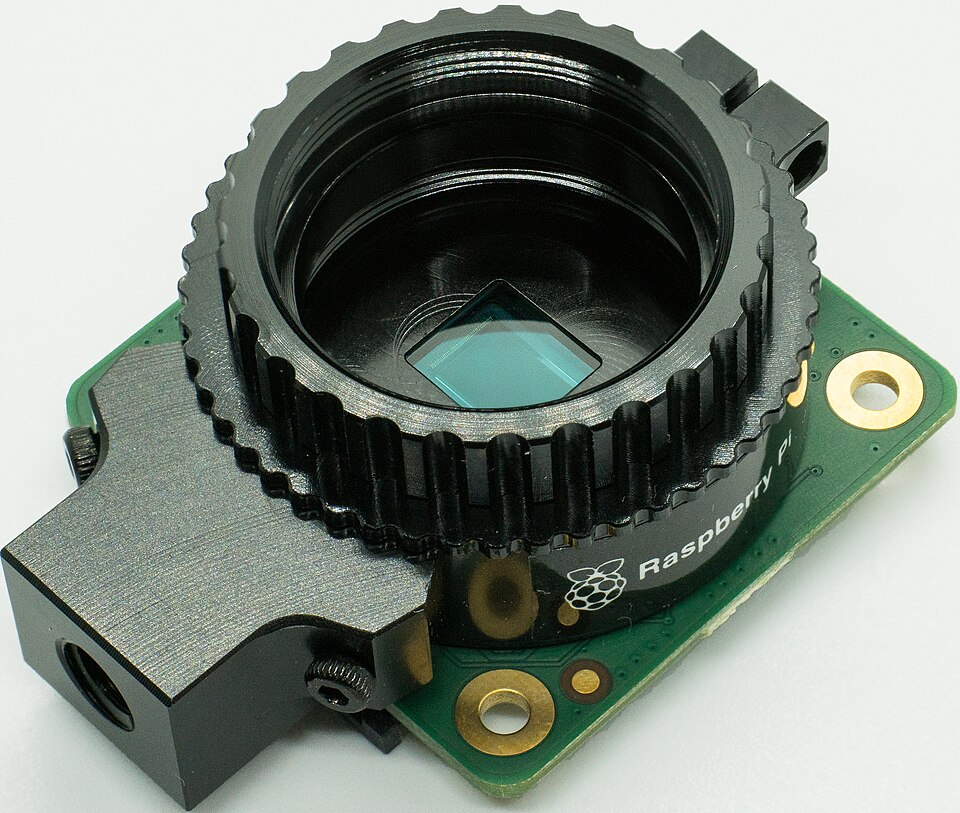
Part-check camera
Photographs each part under the strobed LED ring
Edge Hub: Raspberry Pi 5 + AI HAT+ · CSI-2 ribbon cable · Part images
04
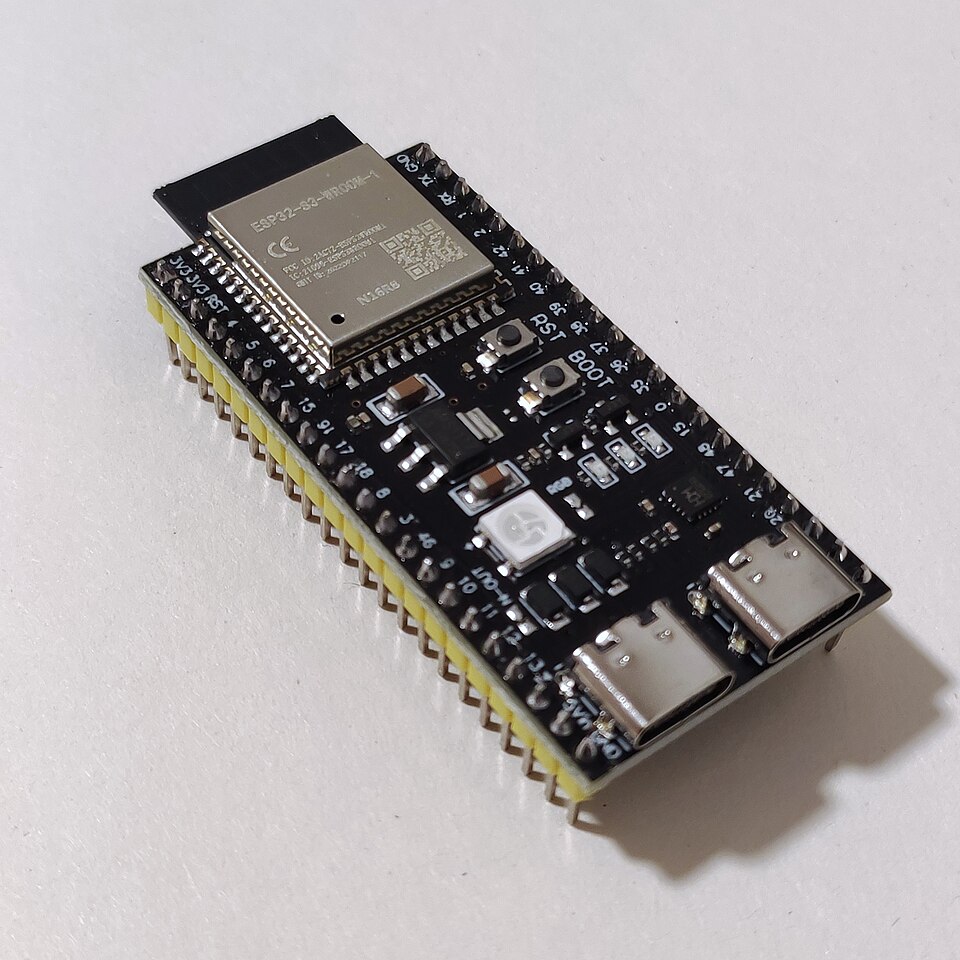
Cell head I/O
Reads the trigger, drives reject, lamps and the air valve
Edge Hub: Raspberry Pi 5 + AI HAT+ · USB (CDC serial) · Trigger, verdicts, sensor readings
05
Stack-light clip
Reads green, amber and red on the machine's light tower
ESP32-S3 cell head · 3 analog wires to head · Light level per tier
06
Pump motor puck
Feels the hydraulic pump run, stop and its bearings wear
ESP32-S3 cell head · SPI over shielded Cat5e · 26.7 kHz vibration, temperature
07
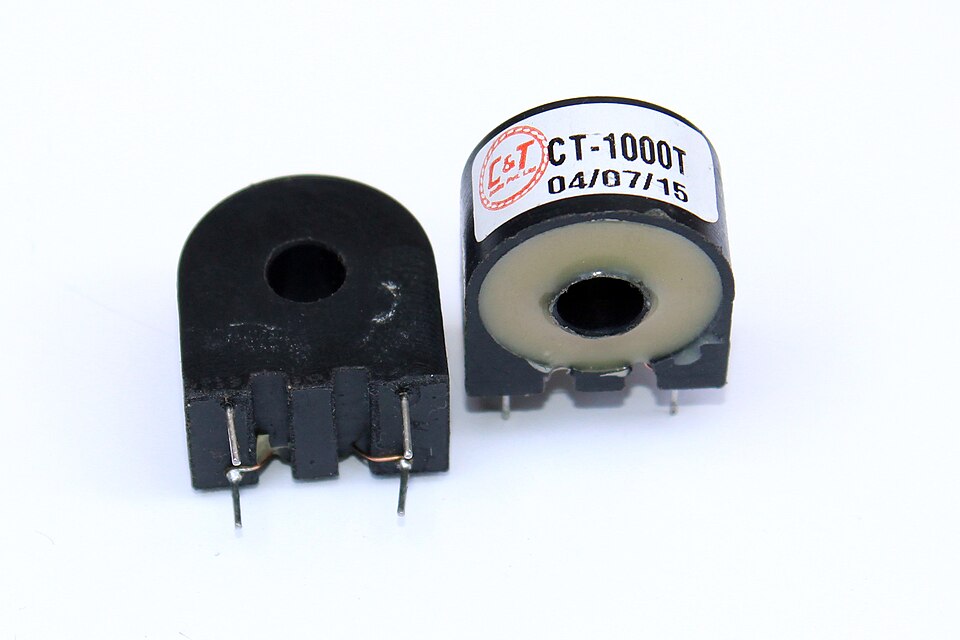
Clamp and air pressure
Pump load, shot cycles, energy and the air drop's pressure
ESP32-S3 cell head · Clamp and 0.5–4.5 V leads · Amps and psi, 1 kHz
08
Cabinet heat eye, tags
Heat map of breakers and each bare busbar joint
ESP32-S3 cell head · I²C and RFID · Heat image, joint temperatures
09
Gauge camera
Reads the hydraulic-pressure and oil-temperature dials
ESP32-S3 cell head · DVP camera connector · One still per read
10
All connected
8 key parts, one program, and your phone
What it is
A one-per-cell kit with one brain that checks every part and watches the machine that made it.
What it does
Checks each part against taught good examples
Shows running, idle, alarm and pump bearing trend
Catches hot connections in the machine cabinet and reads its dials
Names the machine reading behind restart scrap and reject spikes
Who it's for
Owners, production managers and QC leads at small injection moulders and parts makers.
The idea
One kit at a moulding machine that checks every part and knows what the press was doing when it was made
The problem today
At a small moulder, parts are checked by eye at the bench and machine trouble shows up in the scrap bin. Vision systems cost $4,500 to $9,450 a camera and know nothing about the press, while monitoring services watch the press and know nothing about the parts.
With LineCell
One hub at the inspection bench passes, fails or holds every part and kicks the rejects, and one head on the press cabinet reads the stack light, the pump, the air, the hot joints and the dials. Every verdict carries the machine state, so scrap after a restart or a reject spike with hot oil or low air is named for the QC lead.
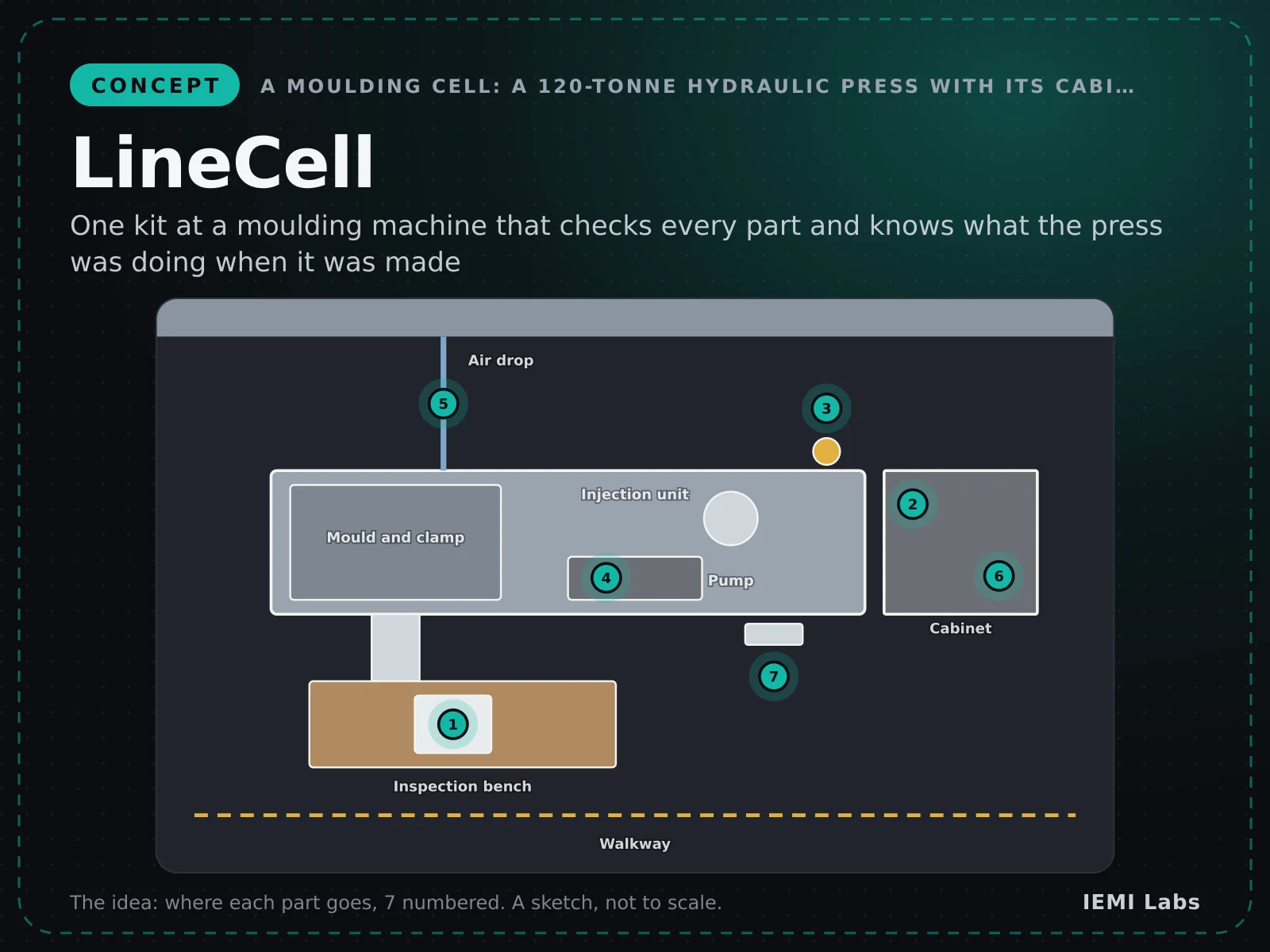
1LineCell hub and part camera at the benchPasses, fails or holds each part under the light box, kicks the rejects, logs the lot, and ties every verdict to the press state
2Cell head on the press cabinetReads the part trigger, drives reject and lamps, and samples every machine sensor; one USB lead to the hub
3Stack-light clipReads green, amber and red on the light tower, so every stop and restart is timed with no wiring into the press
4Pump motor puckFeels the hydraulic pump run and stop and trends its bearings, so a wearing pump is planned for, not found by a breakdown
5Air pressure on the air dropWatches the air feeding the blow-off and gripper; at the weekend it closes the valve and prices the cell's leaks in dollars
6Cabinet heat eyeA heat map of the breakers and each bare busbar joint, so a hot joint is fixed at the next stop
7Gauge cameraReads the hydraulic pressure and oil temperature dials, so a reject spike with hot oil is named on the report
A moulding cell: a 120-tonne hydraulic press with its cabinet, stack light and air drop, and the inspection bench on the operator side, drawn to show where each part goes (not to scale).
How the parts connect
LineCell, wired up
Every part, what links it to the brain, and how the data reaches your phone. A solid line is a cable; a dashed line is a radio link.
Drawn from the LineCell parts list. The 3D view above is built separately, from the CAD.
The program
What controls LineCell
Runs on
Raspberry Pi 5 with AI HAT+
Written in
Node.js (QualityCheck engine) + C++ head firmware on ESP-IDF 5
System
Raspberry Pi OS
AI model
Tile embeddings on Hailo with nearest-neighbour check; bearing, needle and heat rules from PlantNode
1On a trigger: photograph, score and send PASS, FAIL or UNSURE
2Every second: machine state, pump run/stop, amps and air pressure
3Tag every verdict with the machine state and shot count
4Every 10–60 min: bearings, cabinet heat, dials and joint tags
5Flag restart scrap and reject spikes with the machine reading
linecell-hub.tsmain loop
head.on('line', async (line) => {
  const msg = parse(line);                       // from the ESP32-S3 head
  if (msg.type === 'TRIG') {
    const roi = cropToFiducials(await camera.grab());
    const verdict = decide(await hailo.embed(tile(roi)));
    head.write(`RES ${msg.n} ${verdict}
`);      // reject / lamps
    cell.add({ verdict, ...machine.now() });     // tagged with state, oil, air
  } else machine.update(msg);                     // state, amps, psi, dials, heat
  for (const f of cellReport(cell.window()).flags) alert(f);
  if (due('SUM')) mqtt.publish(`${topic}/cell`, summary(cell, machine));
});
To your phone
How the data reaches LineCell
Operator screen at the bench; iPhone, Android or office browser
Cell head
USB serial, 3 m
Edge Hub
Ethernet · MQTT over TLS
LineCell server
HTTPS, push and SMS
Phone app
What you see in the app
One screen for each job LineCell does.
14:02
LineCellPart check
Press 4 · part FAIL14:02
Part 412 failed: short shot on the edge. Reject gate fired.
Parts today
412 · 9 fail
After restart
3 fail
Part checkEvery moulded part from press 4 drops into the light box. In about 0.4 s the camera compares it with good examples and fires the reject gate.
14:05
LineCellWhy parts fail
Reject spike · 18% FAIL14:05
18% of the last 20 parts failed while the oil dial read 58 °C.
Fail rate
18%
Oil temp
58 °C
Fail rate per hour, today (%)
Why parts failAfter lunch the reject rate jumps. Because one hub sees both, the spike comes tagged with what the machine was doing.
16:00
LineCellMachine health
Cabinet L2 lug running hot16:00
L2 lug 61 °C, 14 °C over L1. Pump bearings up 18% in 14 days.
Bearings
Watch
L2 lug
61 °C
Machine
Running
Press 4 now
Pump bearings · watch
Cabinet L2 lug
Air pressure
Stack light · running
Gauges
Machine healthThe head on the press cabinet reads the pump bearings, cabinet heat, air and stack light, so wear shows up before a breakdown.
07:00
LineCellEnergy and air
Press 4 weekly report07:00
0.12 kWh per good part. Air drop leaking about $94/yr.
Air leak
$94/yr
Run today
6 h 40 min
0.12kWh
Energy per good part
Energy and airOn Monday the manager sees what each good part cost in power, and what the weekend leak test found on the cell's air drop.
App screens with sample data. The interface is in development.
What the app gets
Data LineCell sends to the app
Part verdicts
412 parts · 9 FAIL · 3 after restart
Each part
Reject spike
18% FAIL while oil read 58 °C
When it happens
Machine state
Running · 6 h 40 min today
On change
Pump bearings
Watch (up 18% in 14 days)
Every 10 min
Cabinet heat
L2 lug 61 °C, 14 °C over L1
Every hour
Energy and air
0.12 kWh per good part · leak $94/yr
Each shift, Mondays
Part images stay on the hub; the gauge camera sees only dials; only numbers leave the cell.
CAD design · Design rev A, 27 Oct 2026: CAD, fit checks, assembled moulding-cell model and 5 shared checks done; not built
Designed in code, checked in 3D
14 printed parts, each a single closed solid
Every bought part fitted inside and checked for collisions
Assembled exactly as shown in the 3D CAD view (the button on the picture at the top)
Raspberry Pi 5 + AI HAT+ (Hailo-8L) in the Edge Hub at the bench; ESP32-S3-WROOM-1-N16R8 in the cell head for I/O and sensors
Sensors
Raspberry Pi Global Shutter camera, 16 mm lens and strobed LED ring in the light box · OV5640 camera with two IR LEDs for the machine's dials · ST IIS3DWB vibration + TI TMP117 in the pump motor puck · Magnelab SCT-1250-200 current clamp + Honeywell PX3 air-drop pressure · Melexis MLX90640 thermal array + Axzon AZN3254 joint tags; three light sensors on the stack light
Connectivity
USB serial from the cell head to the hub (3 m) · Ethernet and MQTT over TLS from the hub · 24 V isolated trigger inputs and photorelay outputs
Power
One 24 V adapter for the head, LED ring and outputs (about 1 W, est.); the hub on its own 27 W supply; 18650 backup in the head
Enclosure
Light box on a 2020 frame at the bench; black ASA head on the machine cabinet with magnets; wired puck, thermal eye, stack-light clip and tag carriers
Dimensions
Light box 300 x 300 x 400 mm; head 150 x 100 x 56 mm; puck 38 mm hex
Weight
~420 g head (est.); light box ~4 kg (est.)
Ingress rating
Indoor factory floor, not rated
All target specifications
Jobs
Jobs target specifications
Parts
PASS / FAIL / UNSURE, up to 2 parts per second
Machine
Running, idle, alarm; run time per day
Pump motor
Run/stop and bearing trend
Cabinet
Hot breakers and bare busbar joints
Dials
Up to 6, every 15 min
Cell
Restart scrap, spike causes, energy per good part, weekend air leak
Power and physical
Power and physical target specifications
Supply
24 V adapter + hub supply, no work inside the cabinet for power
Part images and dial stills stay on the hub; numbers only are sent
Fits
Hydraulic or electric moulding machines and similar presses
Targets for production units; they may change during development.
Pricing
Hardware: $3,990per cell, after the $500 feasibility study (credited)
Software: $349 per cell per month
Target pricing. Bought separately for one cell, QualityCheck Inspect ($3,499 + $399/mo) and PlantNode ($1,190 + $39/mo plus a $399 LoRa gateway) add up to $5,088 + $438/month. Parts cost about $1,420 per cell (est.). Fitting inside a machine cabinet must be done by a qualified electrician.
Cell
$3,990 + $349/mo
Part check and machine watch at one cell.
Part check and reject output
Machine state, bearings, heat, dials
Cell report and SMS
1-year history
Shop
$3,690 + $319/mo per cell (4+)
Many cells, one shop board.
Shop board
Shift and lot reports
CSV and API
Setter access
Custom
Custom
Integrators and multi-site moulders.
Volume pricing
Install partners
MES hand-off
Extended warranty
Indicative launch pricing in USD, excluding taxes and shipping. Final pricing is confirmed before any balance is charged.
Community
What do you think of LineCell?
LineCell is in development. Rate the idea, tell us what to change about the features, specs or price, and we'll build it with your feedback.
LatestOwners and QC leads at 10 to 200 person moulders check parts by eye and learn about press trouble from the scrap bin; vision cameras cost $4,500 to $9,450 each and monitoring services start near $15,000 a year for 10 machines, and neither ties a bad part to what the press was doing (LineCell DESIGN.md market check).
Drawn idea plan (idea.json): a moulding cell from above with the 120-tonne press, its mould and clamp, injection unit, pump, cabinet, stack light and air drop, and the inspection bench on the operator side; pins for the hub and part camera at the bench, the cell head on the cabinet, the stack-light clip, the pump motor puck, the air pressure on the air drop, the cabinet heat eye and the gauge camera
The product picture is now this drawn plan instead of the plain fallback card; drawn from the design notes, not the CAD
What the plan keeps from the market work: monitoring vendors watch the press and vision vendors watch the parts, and no small-shop product found does both at one cell, so the plan shows both on one floor
Next: more drawn plans for catalogue products that still show the fallback card (oxycart, paceroll), then close-out C5 (buyer review prep for sports) from 12:00
A small moulder checks parts by eye and learns about machine trouble from the scrap bin: start-up after a stop is when most scrap is made, and inspection results are only useful when they can be tied back to the press (Plastics Technology; Fabrico on start-up rejects in moulding). Monitoring kits such as Guidewheel watch the press but not the parts, and vision cameras such as Overview AI watch the parts but not the press. Our own two products for one cell cost $5,088 + $438 a month with two apps that never meet.
New product LineCell: one Edge Hub at the inspection bench checks every part and runs every PlantNode job, so each bad part comes with what the machine was doing when it was made
The PlantNode head on the machine cabinet now also does the QualityCheck I/O pod job: one new head base with two 24 V terminal windows, one USB lead to the hub
Reused CAD parts unchanged: the QualityCheck camera mount, LED ring holder and diffuser, part nest, panel clip and photo-eye bracket, and the PlantNode lid, motor puck, thermal eye, stack-light clip and tag carrier. 14 printed parts, each one solid, every bought part fits
3D view: a moulding machine with its cabinet, stack light, pump motor, dials and air drop, and the inspection bench with the light box, hub and screen beside it, at real size
Program: 5 new checks pass, such as scrap counted after a restart and a reject spike tagged with the oil temperature or the air pressure
Dropped: the QualityCheck I/O pod, the PlantNode LoRa radio, its $399 gateway and its 5 V cabinet supply; the compressor-wide idle-air figure stays with PlantNode, LineCell measures the cell's own air leak
Hardware: parts about $1,420 a cell (est.); priced $3,990 + $349 a month against $5,088 + $438 a month for the two separately; product page, parts list, how-it-works and design notes added
A small moulder checks parts by eye and learns about machine trouble from the scrap bin: start-up after a stop is when most scrap is made, and inspection results are only useful when they can be tied back to the press (Plastics Technology; Fabrico on start-up rejects in moulding). Monitoring kits such as Guidewheel watch the press but not the parts, and vision cameras such as Overview AI watch the parts but not the press. Our own two products for one cell cost $5,088 + $438 a month with two apps that never meet.
Combined into LineCell (https://iemilabs.com/products/linecell/); QualityCheck AI itself is unchanged
A small moulder checks parts by eye and learns about machine trouble from the scrap bin: start-up after a stop is when most scrap is made, and inspection results are only useful when they can be tied back to the press (Plastics Technology; Fabrico on start-up rejects in moulding). Monitoring kits such as Guidewheel watch the press but not the parts, and vision cameras such as Overview AI watch the parts but not the press. Our own two products for one cell cost $5,088 + $438 a month with two apps that never meet.
Combined into LineCell (https://iemilabs.com/products/linecell/); PlantNode itself is unchanged
It does the job of QualityCheck AI (checks every part and drives a reject output) and PlantNode (machine state, pump bearings, cabinet heat, dials and air) at one cell. Bought separately they cost $5,088 + $438 a month with two apps; LineCell is $3,990 + $349 a month with one hub and one app.
What does it do that the two could not do apart?
Every part verdict carries the machine state, so it counts scrap made in the first shots after a stop and tags a reject spike with the oil temperature or air pressure at that moment. It suggests where to look; the setter decides.
Do I still need PlantNode on my compressor?
For the plant-wide idle-air figure, yes: LineCell measures the leak cost of one cell's own air drop, not the whole compressed-air system.
Is it a safety or protection device?
No. It monitors and alerts only. It never stops the press, and it does not replace guards, the machine's protection or your own quality sign-off.
Is LineCell available now?
No. It is a concept in design. Specifications are targets. We are not taking orders, reservations or deposits, and it has no ship date yet.