PaceRoll
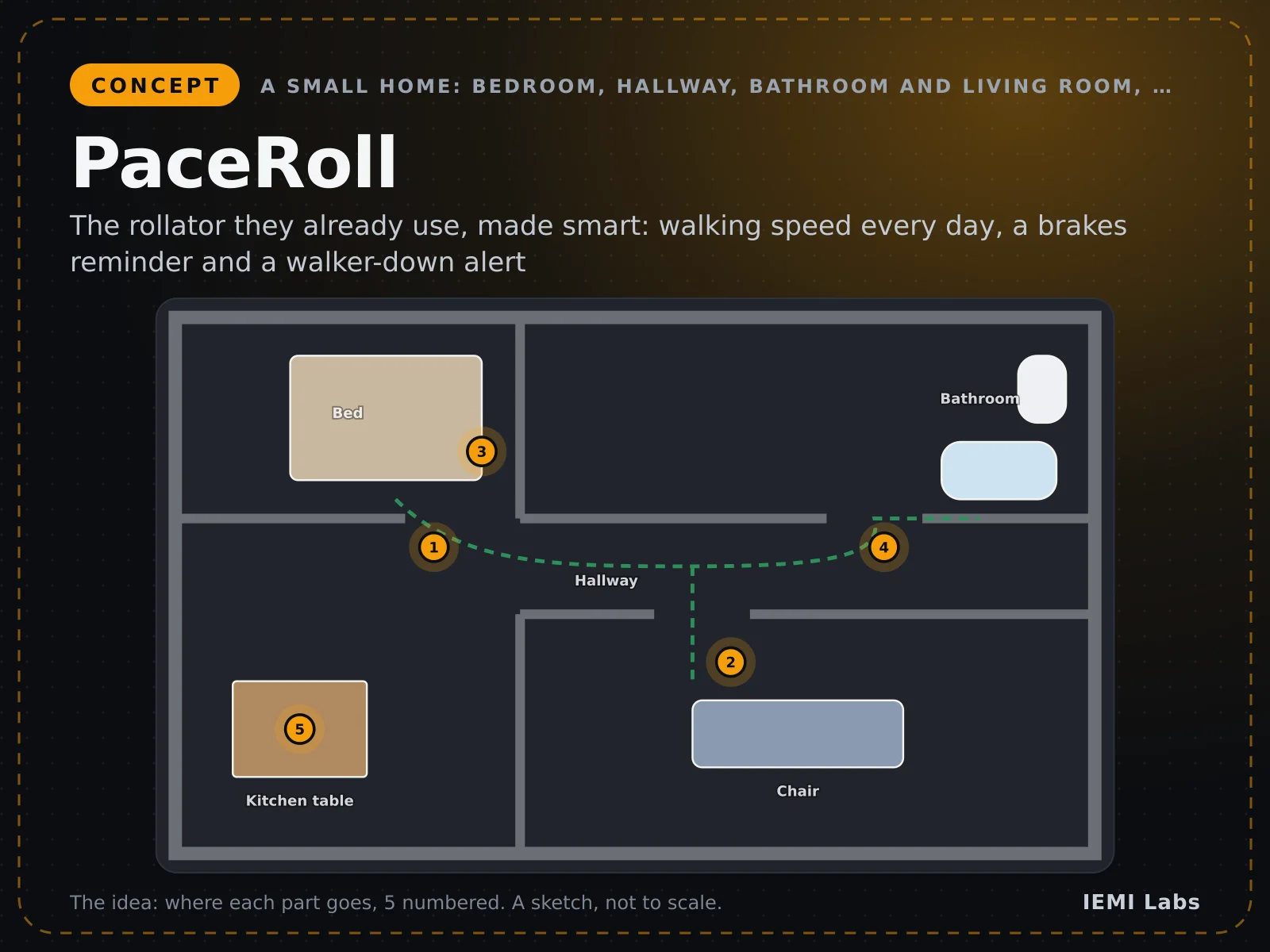
A clip-on sensor kit that turns an existing rollator into a walking-distance and speed tracker.
- Measures daily walking distance and speed
- Lights the night trip to the toilet
- Chimes if the walker is left behind
From $99 per kit
DetailsSmart oxygen cylinder cart that shows hours left and flags power cuts
Software: $4 per month for phone alerts
Concept, not for sale yet. Tell us if you want it; that decides what we build.
Rate this idea and tell us what to change
Drag to rotate · right-drag to move · scroll to zoom · click a part for its size and placeSwipe to rotate · pinch to zoom · two fingers to move · tap a part for its size
How it fits together
Scroll or tap a part. Press “See the 3D CAD design” to watch the model, built from our CAD, light each part up and show how it connects.

Real-time 3D render · drag to rotate · final design may varySwipe sideways to rotate
01
The whole OxyCart
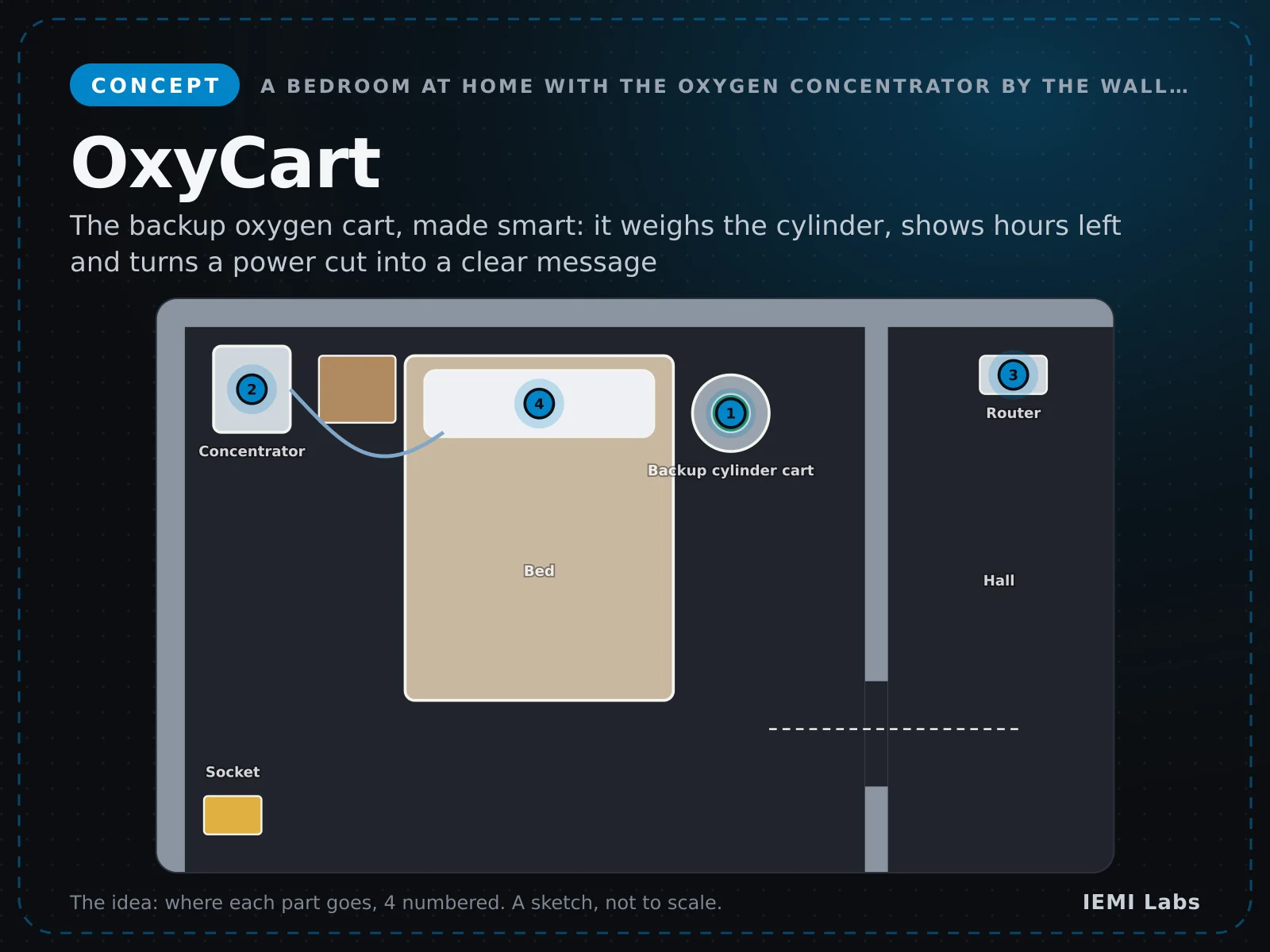
An oxygen cylinder stands on a scale in a cart. The cart works out hours of oxygen left and alerts the family early.
02Brain
XIAO ESP32-C3 (cart)
The brain: it runs the oxycart firmware program

03
Load cell + HX711
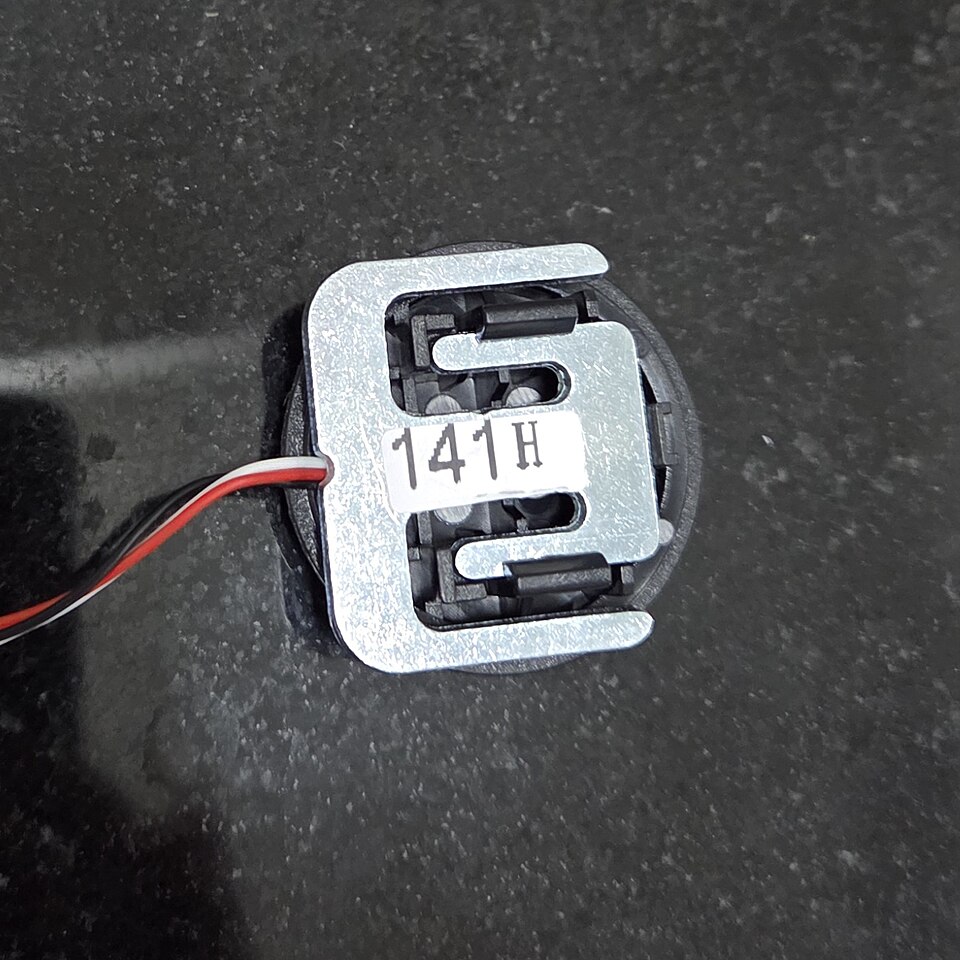
Weighs the cylinder; the weight slope gives the flow
XIAO ESP32-C3 (cart) · HX711 two-wire (GPIO) · Weight readings

04
Tilt sensor
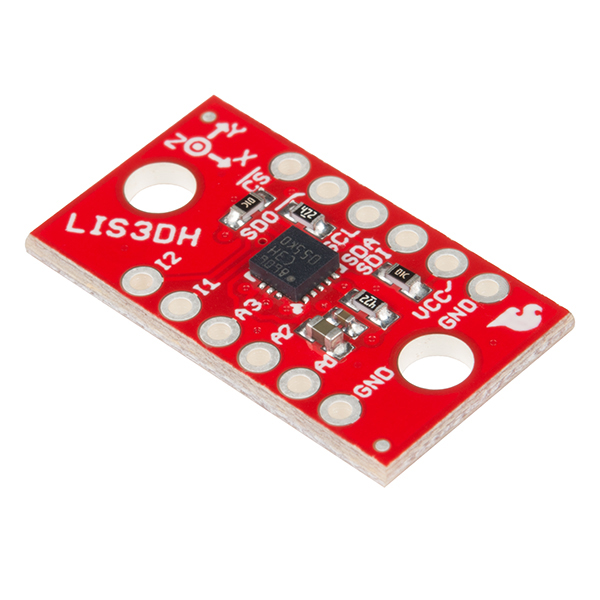
Ignores weight readings while the cart is moving or tilted
XIAO ESP32-C3 (cart) · I²C (4 wires) · Tilt angle
05
CHECK / mute button
Wakes the display or silences the beeper
XIAO ESP32-C3 (cart) · GPIO pin · Button press

06
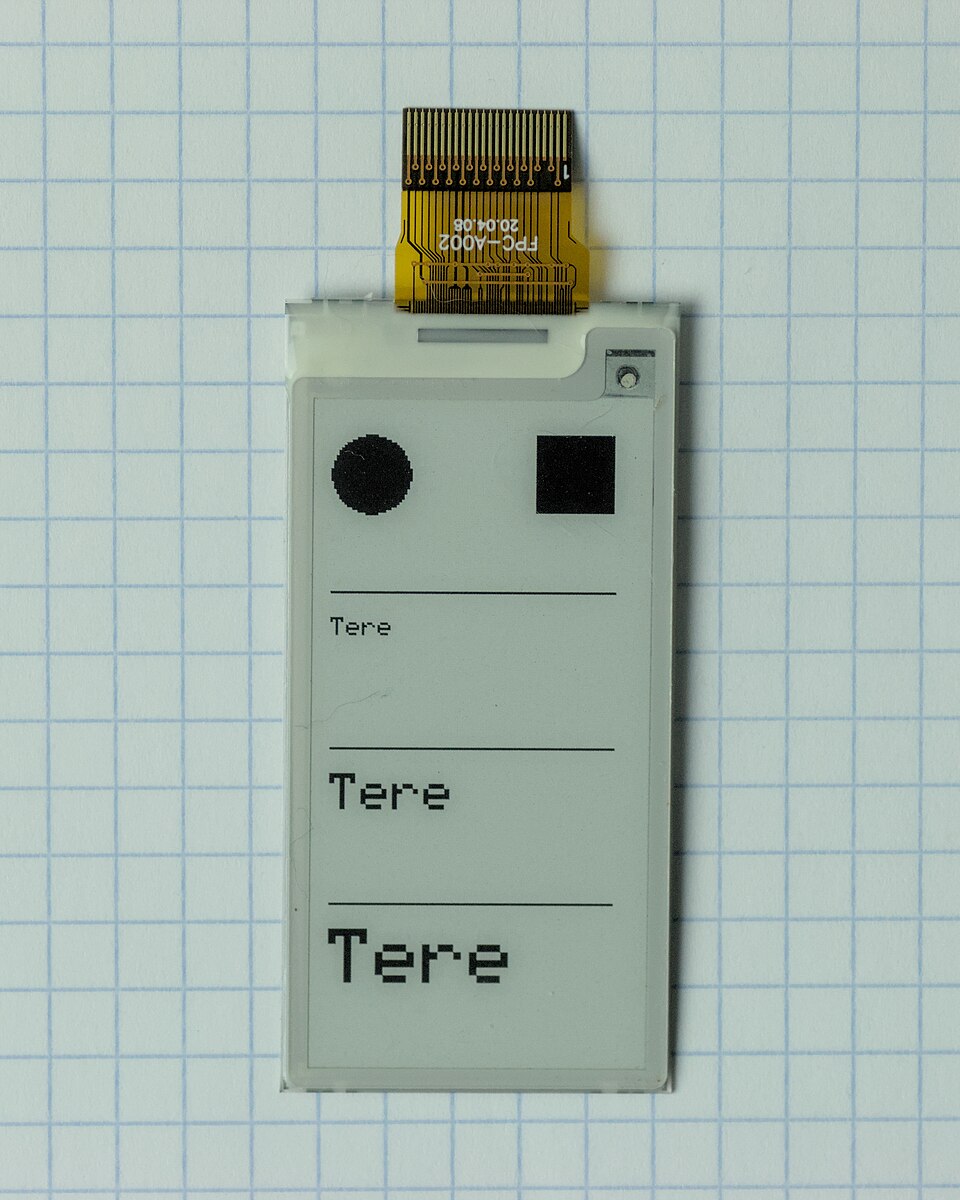
E-paper display
Shows hours left; stays visible with no power
XIAO ESP32-C3 (cart) · SPI · Screen image
07
FlowTee O2 sensor
Measures oxygen purity and flow at the concentrator outlet
XIAO ESP32-C3 · UART 3.3 V · Purity % and L/min

08
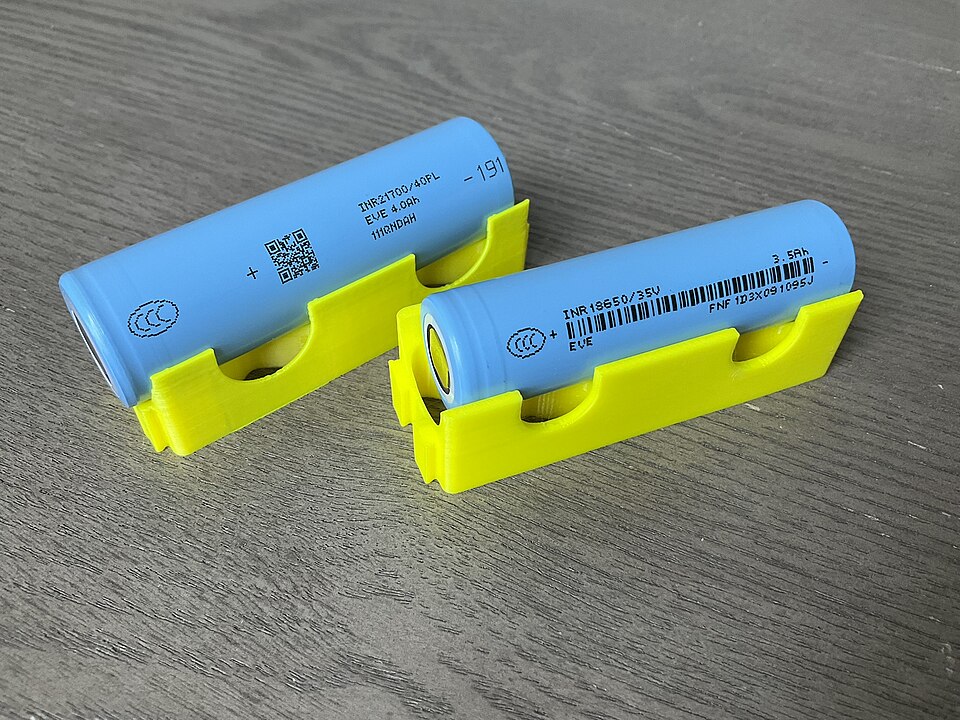
18650 battery
Runs the cart for about 78 days per charge
XIAO ESP32-C3 (cart) · Power lead via XIAO charger · 3.7 V power
09
All connected
7 key parts, one program, and your phone
What it is
A home oxygen cylinder cart with a built-in scale and a small sensor for the concentrator outlet.
What it does
Who it's for
Families of people on home oxygen, and home oxygen suppliers.
The idea
The problem today
At home, the backup oxygen cylinder stands on a plain cart and its hours left are read off a psi gauge, if anyone looks. When the power fails the concentrator's buzzer says it has stopped, not how long the cylinder will last, and family away from home hear nothing.
With OxyCart
The cart weighs whatever cylinder the supplier drops off and shows hours left at the real flow, and a small sensor on the concentrator outlet logs flow and use and notices the power going. In a power cut the family phone gets one message with the cylinder's hours left, and a refill reminder goes out before the reserve. It monitors and alerts only and never touches the oxygen flow.
How the parts connect
Every part, what links it to the brain, and how the data reaches your phone. A solid line is a cable; a dashed line is a radio link.
The program
while (1) {
deep_sleep(60 s); // XIAO ~25 uA sleep
w = hx711_read(2 s, 10 SPS); // TAL220 load cell
if (!still_and_level(lis3dh_read(), 1.0)) continue; // tilt gate
grams_left = w - cup_tare - cylinder_tare;
flow = weight_slope(10 min); // or the prescribed flow
hours_left = (grams_left - reserve) / flow;
if (due(10 min) || state_changed()) epaper_show(hours_left);
if (due(10 min) || event())
mqtt_publish("oxycart/<id>/cart", json(grams_left, flow, hours_left, batt_pct));
}To your phone
Family phone and supplier alerts
One screen for each job OxyCart does.
Power cutA storm cuts the power at Dad's home. The concentrator stops, the FlowTee beeps, and the family's phones show how long the backup cylinder lasts.
Refill reminderAfter a week of trips out, the backup cylinder is running low. The family sees it in the app before anyone needs to read a gauge.
Concentrator checkThe FlowTee on the concentrator outlet reads oxygen purity every minute. A slow drop over a week is flagged to the family.
App screens with sample data. The interface is in development.
| Hours left | 4.8 h | Every 10 min |
|---|---|---|
| Flow | 2.0 L/min | Every 10 min |
| Oxygen purity | 93.1% | Every minute |
| Power cut | Probable power cut | After 3 min |
| Cart battery | 81% | Every 10 min |
Per-device certificates. No audio or camera. Health data goes to a supplier or clinician only by opt-in.
CAD design · Rev A design complete (stages 1-6), all hardware fit-checked in CAD (48/48), not built; FlowTee purity readout needs a 510(k) in the US (gate R2)

| AI processor | Seeed XIAO ESP32-C3 (in the cart and in the FlowTee) |
|---|---|
| Sensors | TAL220 10 kg straight-bar load cell with HX711 · Adafruit LIS3DH level and stillness gate · Cubic Gasboard-7500H ultrasonic O2 flow and purity sensor (FlowTee) · USB VBUS sense for mains loss |
| Connectivity | Wi-Fi (MQTT over TLS), heartbeat every minute · BLE for setup · Waveshare 2.13" e-paper display and piezo buzzer |
| Power | Cart: 18650 3,000 mAh, about 78 days per charge (est.); FlowTee: 5 V USB with a 300 mAh backup LiPo for about 60 min in a power cut (est.) |
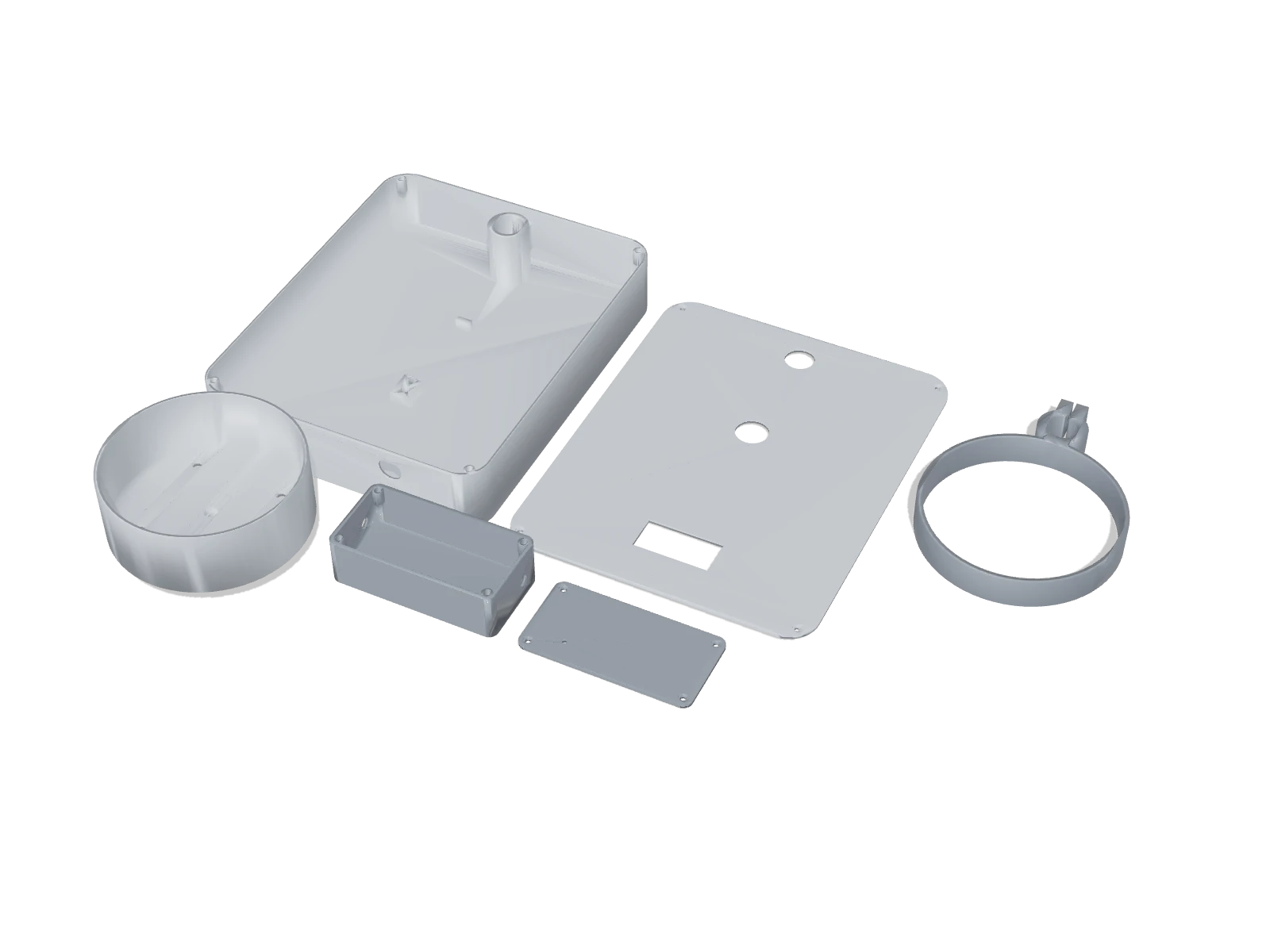
| Enclosure | White ASA weighing base on 4 × 50 mm casters with steel ballast, a 19 mm aluminium mast with push handle, a loose guide collar, and a small grey PETG FlowTee box |
| Dimensions | Base 200 × 250 × 44 mm; handle about 970 mm high; FlowTee sensor body 80 × 25 × 22 mm |
| Weight | About 2 kg without a cylinder (est.) |
| Cylinder | Any E cylinder |
|---|---|
| Time left, tare learned | About ±1.5 min at 2 L/min (est.) |
| Time left, new cylinder | About ±17 min at 2 L/min until tare is learned (est.) |
| Real flow | From weight slope, ±11% after 10 min at 2 L/min (est.) |
| Flow | 0–10 L/min, ±0.2 L/min (sensor spec) |
|---|---|
| Purity | Logged; US alert only after clearance |
| Power cut | Local beep in about 1 s; phone alert in about 3 min (est.) |
| Position | Low-pressure concentrator outlet |
| Cart battery | About 78 days per charge (est.) |
|---|---|
| Display | 2.13" e-paper, readable with no power |
| Stability | Cylinder cart only; not a walking aid |
| Privacy | No camera or microphone |
Targets for production units; they may change during development.
Hardware: $129–$199 per cart ($199 kit with FlowTee)
Software: $4 per month for phone alerts
Target pricing. DME fleet pricing on request. Parts cost is about $92 per cart and $83 per FlowTee at qty 1, about $175 for the kit (est.).
Indicative launch pricing in USD, excluding taxes and shipping. Final pricing is confirmed before any balance is charged.
Community
OxyCart is in development. Rate the idea, tell us what to change about the features, specs or price, and we'll build it with your feedback.
How much people want it
–
No ratings yet
Follow OxyCart
Get build updates and first access when pre-orders open.
No comments yet. Tell us what you'd want from OxyCart.
Questions
Tell us what this would save you, or ask anything. We reply within two business days.
A member of the IEMI Labs team will reply within two business days.
From the product lab · ideation phase
No. OxyCart is a concept in the in-house design and testing stage. It has not been built or tested with real cylinders or concentrators, and it has no ship date yet.
No. OxyCart only monitors and alerts. It never sets, switches or restricts the oxygen flow and does not touch the high-pressure side of the cylinder. Always follow your prescriber's and supplier's instructions.
Not always at first. Until it learns a new cylinder's empty weight, time left is about as accurate as reading the gauge. Its advantages are that nobody has to look, temperature does not fool it, and it measures the real flow.
The FlowTee's sensor can read purity, but in the US a purity readout needs regulatory clearance first, so the first version would offer flow, hours of use and power-cut alerts only.
No. It is a cylinder cart, not a walking aid. With a full cylinder it can tip with a light push at the handle.

A clip-on sensor kit that turns an existing rollator into a walking-distance and speed tracker.
From $99 per kit
Details
A matchbox-sized battery monitor that sticks near pipes, tanks and AC units.
From $199 per unit / building kit
Details
IEMI's one product for care homes and hospital wards: the bedside locker, made smart, with one brain and one app.
From $590 per smart bedside locker
DetailsOxyCart
Concept · target $129