VisionConcept
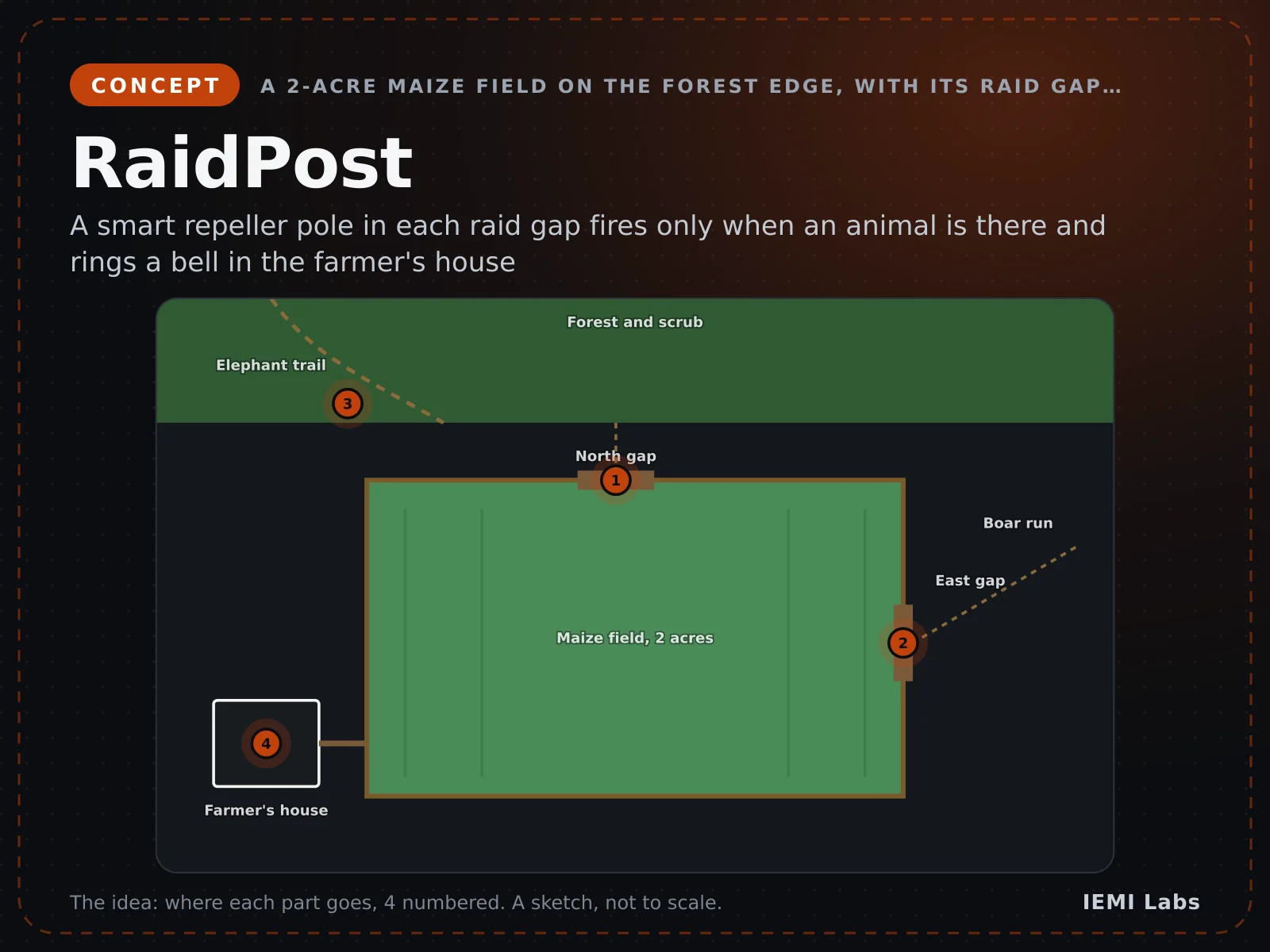
RaidPost
A solar pole head with a camera, strobe and siren, plus a bell for the house.
- Names the animal in the gap
- Fires a random light and siren
- Rings a bell in the house
From $145 per post
DetailsA solar 360° wildfire smoke camera you can afford to put everywhere
Software: $199–$349 per month per node
Concept, not for sale yet. Tell us if you want it; that decides what we build.
Rate this idea and tell us what to change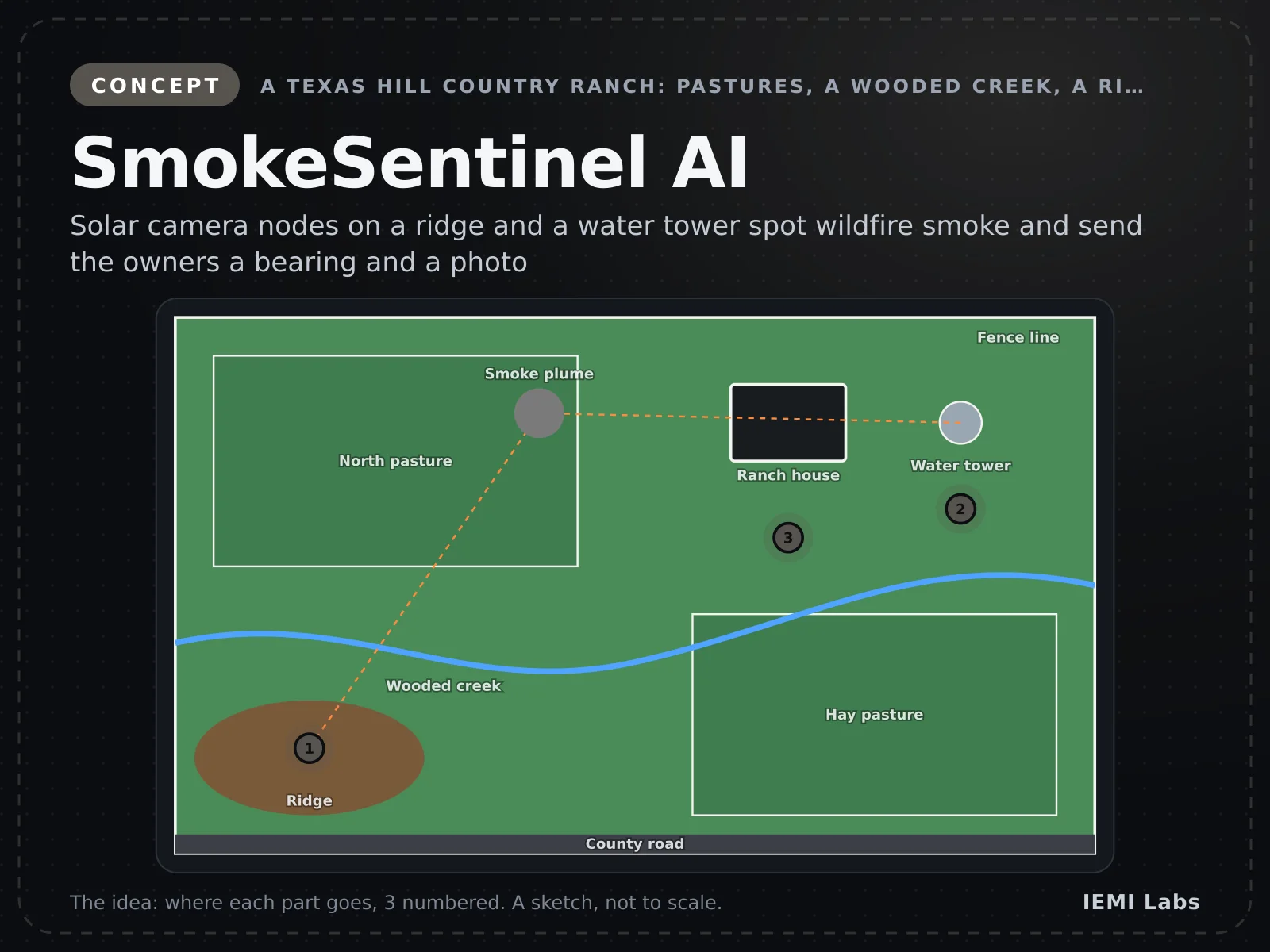
Drag to rotate · right-drag to move · scroll to zoom · click a part for its size and placeSwipe to rotate · pinch to zoom · two fingers to move · tap a part for its size
How it fits together
Scroll or tap a part. Press “See the 3D CAD design” to watch the model, built from our CAD, light each part up and show how it connects.
Real-time 3D render · drag to rotate · final design may varySwipe sideways to rotate
01
The whole SmokeSentinel AI
Cameras on a mast scan the horizon for smoke. The compute module checks each frame; a cellular modem sends the bearing to the owner.
02Brain
Raspberry Pi CM5
The brain: it runs the smoke orchestrator program
03
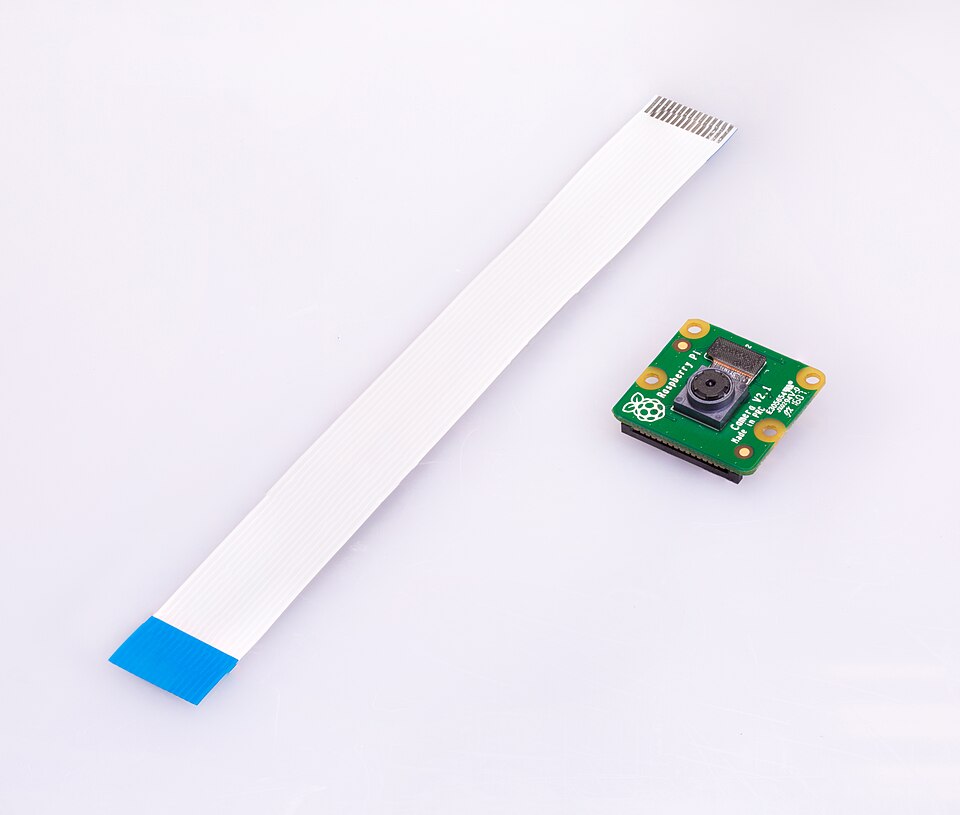
Four wide cameras
Take 12 MP stills of the horizon, one per compass side
Raspberry Pi CM5 · CSI-2 ribbon cable · 12 MP still frames
04
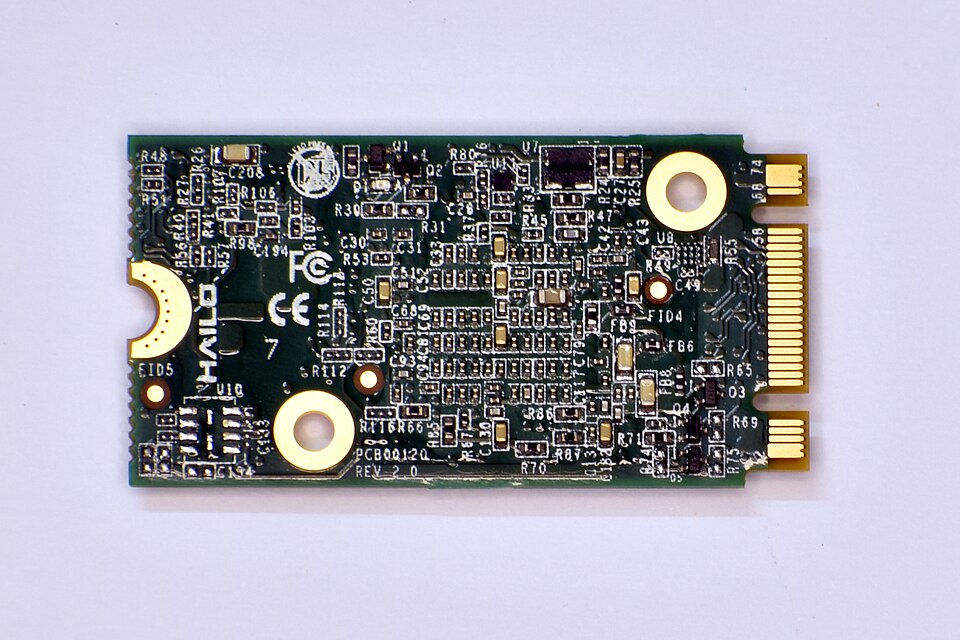
Hailo-8L AI module
Runs the smoke detector on every image tile
Raspberry Pi CM5 · PCIe (M.2 slot) · Image tiles and detections
05
SHT45 humidity sensor
Reads air temperature and humidity in a radiation shield
Raspberry Pi CM5 · I²C (3 m shielded lead) · Temperature and humidity
06
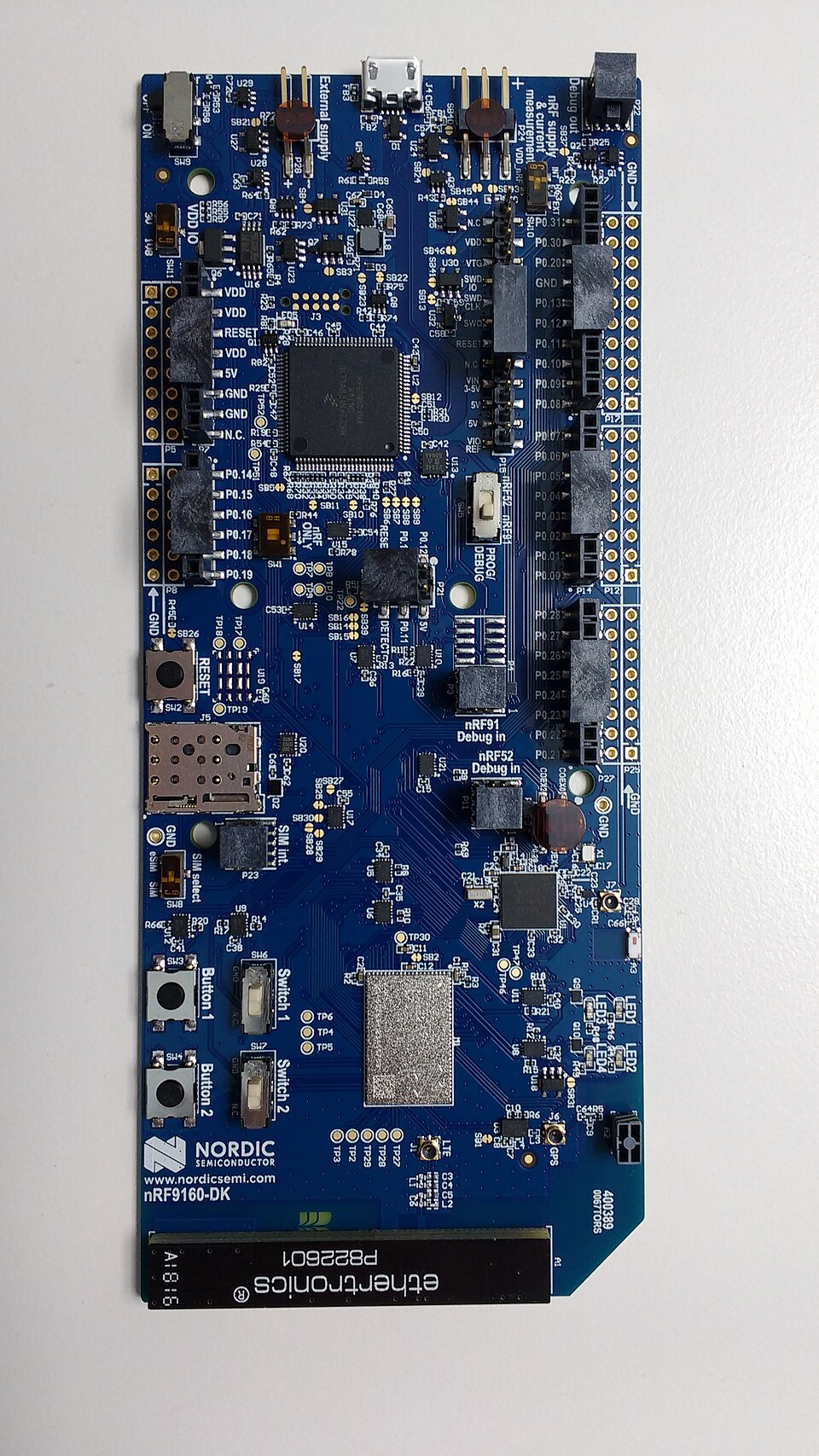
nRF9151 cellular modem
Wakes the CM5, sends alerts by LTE-M or satellite
Raspberry Pi CM5 · UART, 1 Mbaud · Alerts, crops and commands
07
5 V step-down regulator
Powers the CM5 only when the modem switches it on
Raspberry Pi CM5 · 5 V power lead · 5 V, 5.5 A
08
All connected
6 key parts, one program, and your phone
What it is
A solar-powered four-camera head on a mast that watches the horizon for wildfire smoke.
What it does
Who it's for
Rural councils, utilities, co-ops, ranches and wildland–urban communities.
The idea
The problem today
On a red-flag afternoon a pasture fire on a big ranch can burn for many minutes before anyone sees the smoke. Agency camera networks cost about $50,000 a station a year and rarely cover private ranch land, so owners rely on someone happening to look.
With SmokeSentinel AI
A SmokeSentinel node on the ridge watches the skyline all day and sends the owner group a bearing and a snapshot over LTE-M, or a text over satellite where there is no signal. A second node on the water tower crosses its bearing so the app shows where the plume is. People then call 911; the node never does.
How the parts connect
Every part, what links it to the brain, and how the data reaches your phone. A solid line is a cable; a dashed line is a radio link.
The program
for (;;) {
  for (const cam of cameras) {
    const still = await libcameraStill(cam.id)           // AF locked at infinity
    const band = cropBand(still, cam.horizonMask)        // about 4608 x 900
    const hits = await hailo.infer(tile(band, 640))      // smoke class
    tracker.update(cam.id, hits)                         // IoU + growth + persistence
  }
  for (const c of tracker.confirmed()) {
    if (inMuteZone(c) || sunGlare(c)) continue
    modem.write(alertJson(c, cropJpeg(c)))               // UART to nRF9151
  }
  await sleep(fireWeatherMode ? 30_000 : 60_000)
}
To your phone
Phone push, SMS, voice call and web map
One screen for each job SmokeSentinel AI does.
Smoke spottedA thin plume rises behind the west ridge on a dry afternoon. The node checks it keeps growing, then sends a snapshot to the ranch.
Solar and batteryIn midsummer the node sits on its mast in full sun with no mains power. The hourly report shows its battery and head heat.
Node networkA co-op runs twelve nodes across the valley. Each reports every hour, so one that goes silent stands out.
App screens with sample data. The interface is in development.
| Smoke alert | Bearing 268°, 5-7 km | Each alert |
|---|---|---|
| Alert crop | 640×360 JPEG | Each alert |
| Battery | 13.2 V, 88% | Hourly |
| Node health | Head 41.5 °C, RH 19% | Hourly |
| Signal | RSRP −108 dBm | Hourly |
Outbound-only link with no open ports. Night images are kept on the node unless the owner sends them.
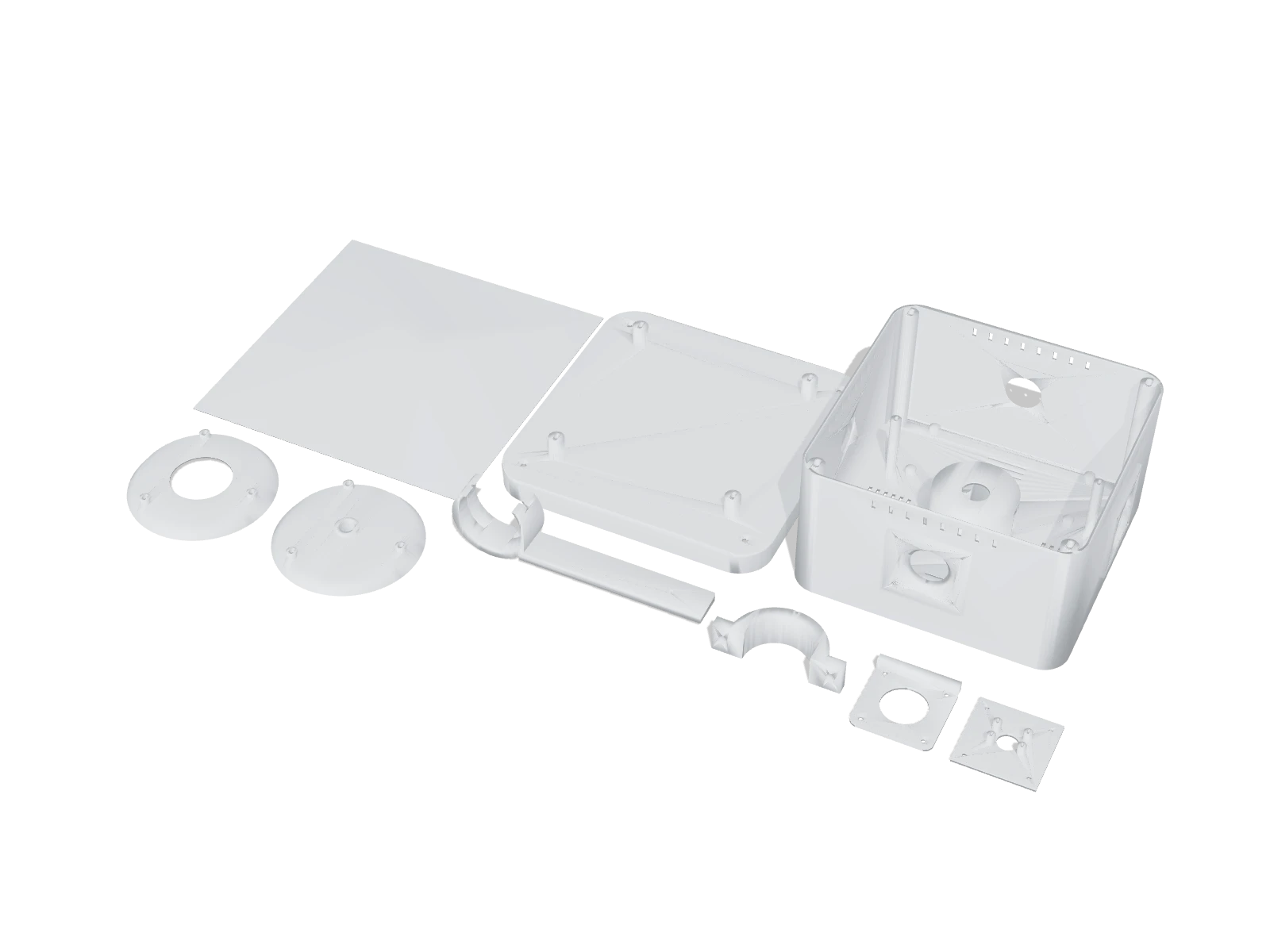
CAD design · Design complete (stages 1–6), not built
| AI processor | Hailo-8L (13 TOPS) on a low-power ARM host, duty-cycled |
|---|---|
| Camera | 4× 5 MP low-light cameras (Sony STARVIS 2 class), ~100° each for 360° coverage |
| Sensors | Temperature and humidity sensor · GNSS for location and time · Tilt / tamper sensor |
| Connectivity | 4G LTE (Cat 1 / LTE-M) · Satellite fallback for alert messages (Myriota HyperPulse or Semtech LR2021 S-band class) · Optional LoRaWAN or Wi-Fi HaLow for local mesh |
| Power | 25 W solar panel + 12 V 18 Ah (230 Wh) LiFePO4 with MPPT (Voltaic CORE-class kit); ~3 W average duty-cycled (target) |
| Enclosure | Mast-mounted cylindrical camera head with four camera windows and sun hood; separate battery box; 25 W solar panel |
| Dimensions | Head 30 cm Ø × 18 cm; 25 W solar panel; battery box |
| Weight | Head ~3.5 kg; battery box ~4 kg |
| Ingress rating | IP66 |
| Field of view | 360° horizontal |
|---|---|
| Detection range | Up to ~10 km in clear conditions (target) |
| Scan interval | 30–60 s, adaptive |
| Time to alert | Under 3 min from visible smoke (target) |
| Primary | 4G LTE Cat 1 / LTE-M |
|---|---|
| Fallback | Satellite short messages |
| Image upload | Compressed snapshots over LTE |
| APIs | REST, webhooks, CAP alerts (planned) |
| Solar | 25 W panel |
|---|---|
| Battery | 230 Wh LiFePO4, ~3 days autonomy |
| Head size | 30 cm Ø × 18 cm |
| Operating temp. | −20 °C to 60 °C |
Targets for production units; they may change during development.
Hardware: $4,900–$6,900 per node incl. solar kit
Software: $199–$349 per month per node
Target pricing. Subscription includes LTE data, portal and model updates; satellite messaging is billed at cost. Mast and installation quoted per site.
Indicative launch pricing in USD, excluding taxes and shipping. Final pricing is confirmed before any balance is charged.
Community
SmokeSentinel AI is in development. Rate the idea, tell us what to change about the features, specs or price, and we'll build it with your feedback.
How much people want it
–
No ratings yet
Follow SmokeSentinel AI
Get build updates and first access when pre-orders open.
No comments yet. Tell us what you'd want from SmokeSentinel AI.
Questions
Tell us what this would save you, or ask anything. We reply within two business days.
A member of the IEMI Labs team will reply within two business days.
From the product lab · ideation phase
No. SmokeSentinel is designed for short-to-mid-range infill and for places that cannot justify a tower system. It complements existing networks and fire-agency detection, and its alerts can feed the same portals.
Yes. Smoke detection runs on the node. Only alerts with compressed snapshots, and periodic low-resolution health images, are sent. Cameras look at the horizon, not at people, and no identity data is processed.
The head, panel and battery box mount on a 4–10 m mast, pole or rooftop. No power or network cabling is needed. A two-person crew can install a node in about half a day.
SmokeSentinel uses 4G LTE where available. Where there is no coverage, short alert messages are sent by satellite; images are uploaded when LTE returns or through a local mesh link.
You can export detections, images and the site-tuned model weights at the end of your contract. We do not lock customers in.
No. It is a new concept in development. Specifications are target specifications. A 2-year limited hardware warranty is planned. It is a concept: we are not taking orders, reservations or deposits, and it has no ship date yet.
A solar pole head with a camera, strobe and siren, plus a bell for the house.
From $145 per post
Details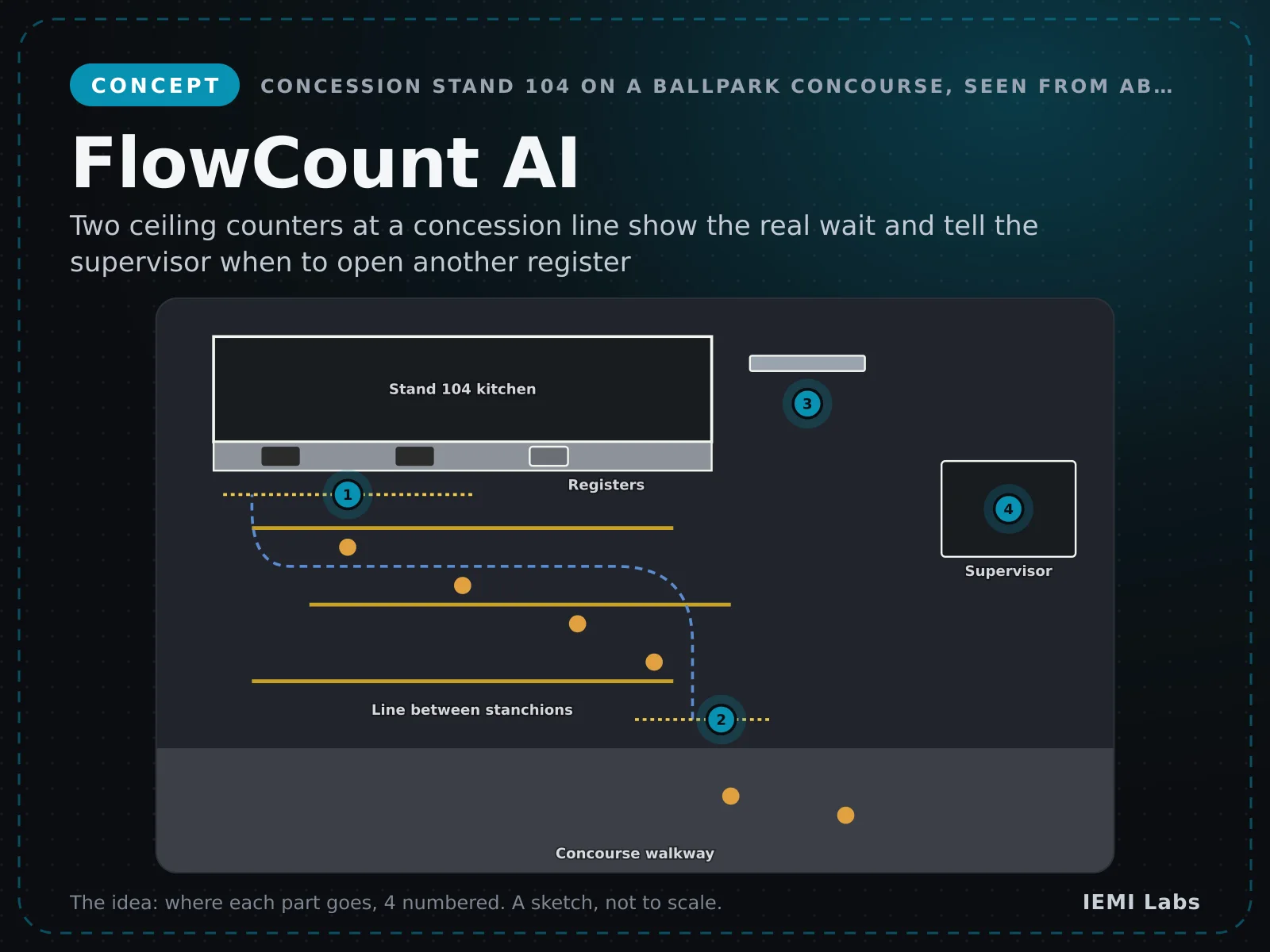
A small white ceiling sensor with two lenses that counts people without sending images.
From $899 per sensor
Details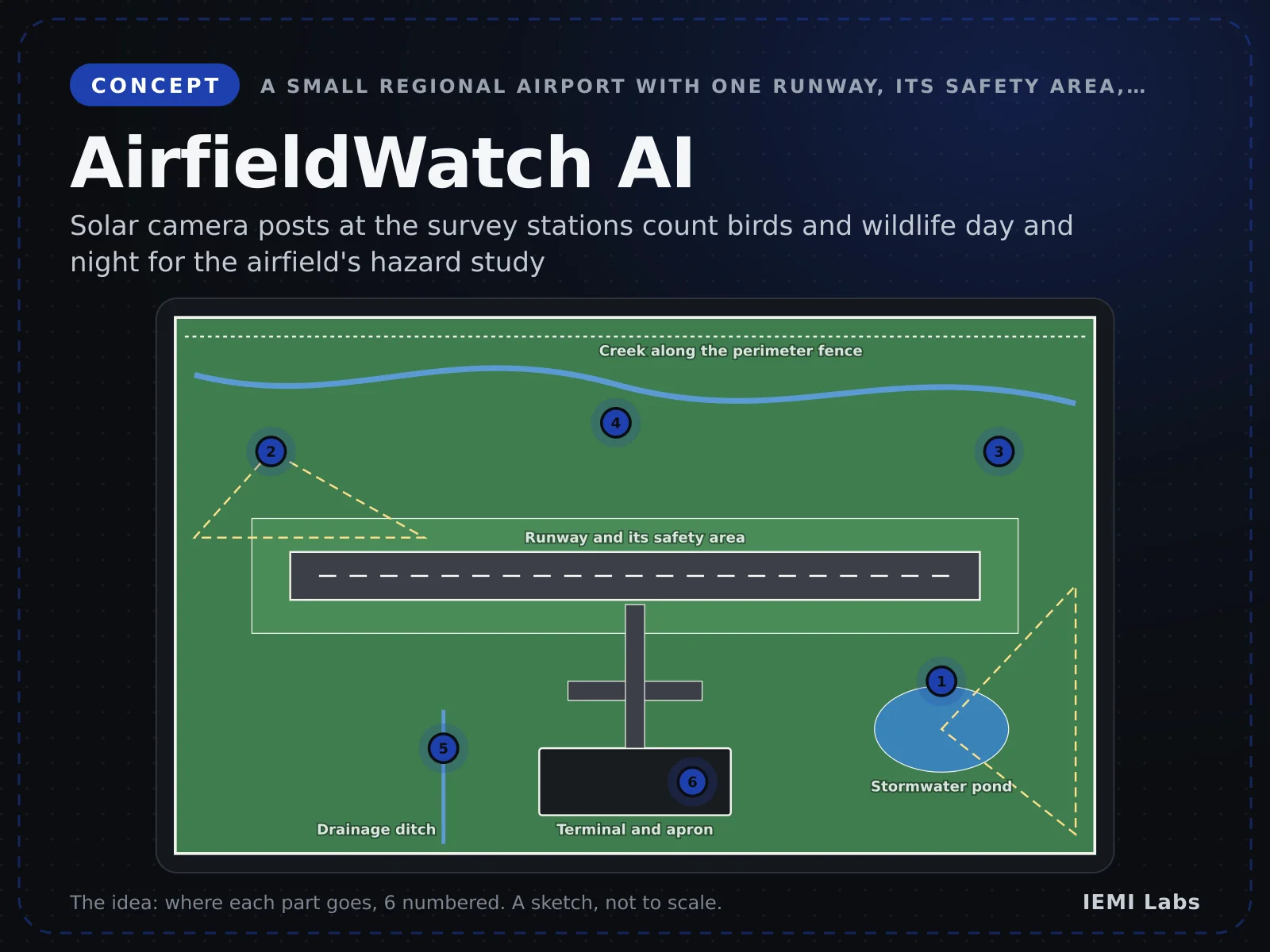
A thermal and visible camera turret on a mast that spots birds and wildlife near runways.
From $8,900 per turret
DetailsSmokeSentinel AI
Concept · target $4,900