VisionConcept
ParkSense AI
A palm-sized edge box that plugs into your existing parking cameras.
- Counts free bays in real time
- Flags overstays and wrong parking
- Guides drivers to open spaces
From $499 per edge box
DetailsIEMI's one product for a warehouse dock door: the door's own track guards, made smart
Software: $49 per month per door (dock app)
Concept, not for sale yet. Tell us if you want it; that decides what we build.
Rate this idea and tell us what to change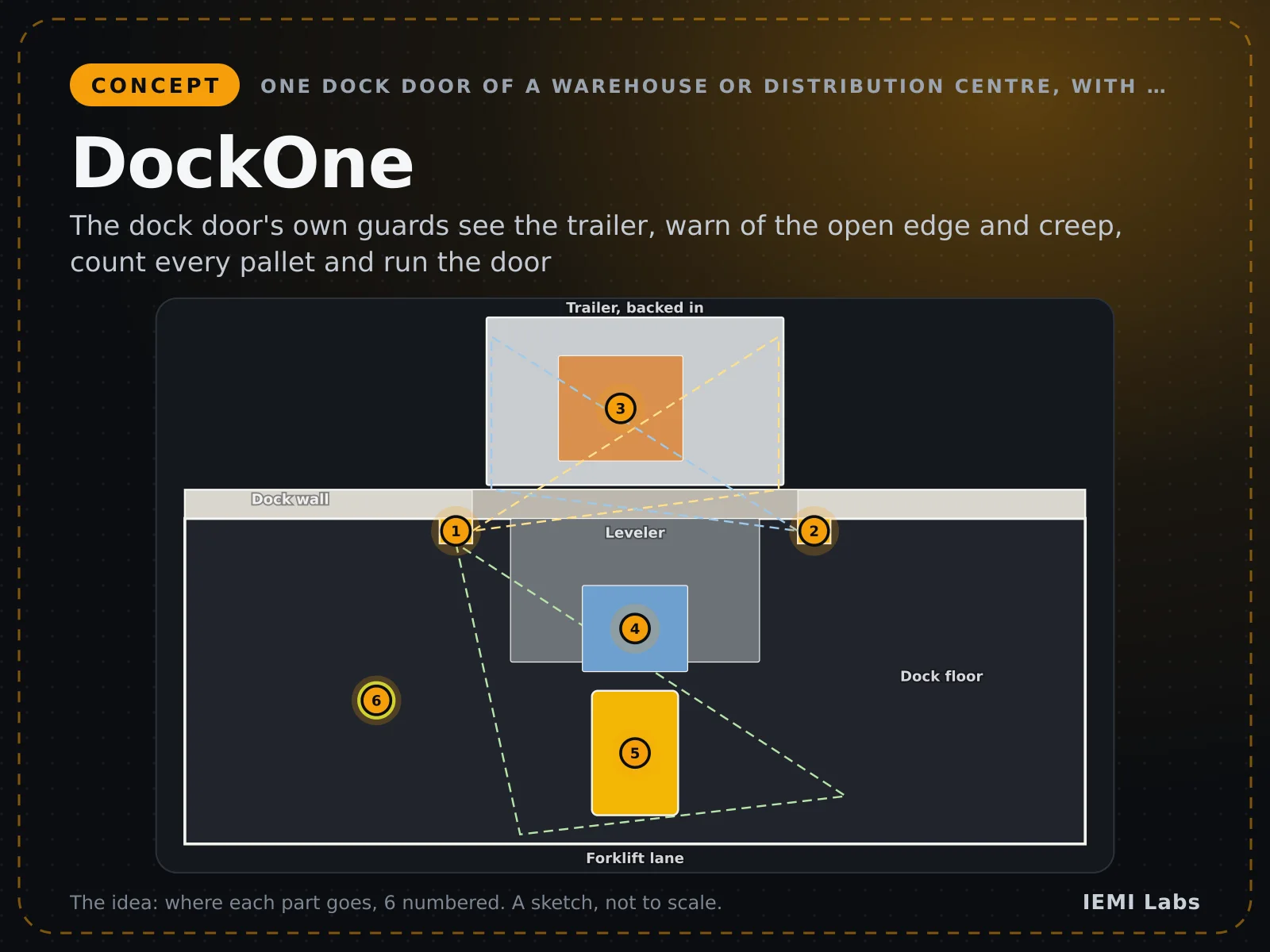
Drag to rotate · right-drag to move · scroll to zoom · click a part for its size and placeSwipe to rotate · pinch to zoom · two fingers to move · tap a part for its size
How it fits together
Scroll or tap a part. Press “See the 3D CAD design” to watch the model, built from our CAD, light each part up and show how it connects.
Real-time 3D render · drag to rotate · final design may varySwipe sideways to rotate
01
The whole DockOne
The dock door's two track guards run the door: two door cameras look across the doorway into the trailer, a dock camera and a radar watch the forklift lane, and the brain in guard A turns that into trailer, open-edge, creep, pallet and door calls on the guards' own lights and one dock app.
02Brain
Raspberry Pi 5 (in guard A's sealed top bay)
The brain: it runs the dockone-fw program
03
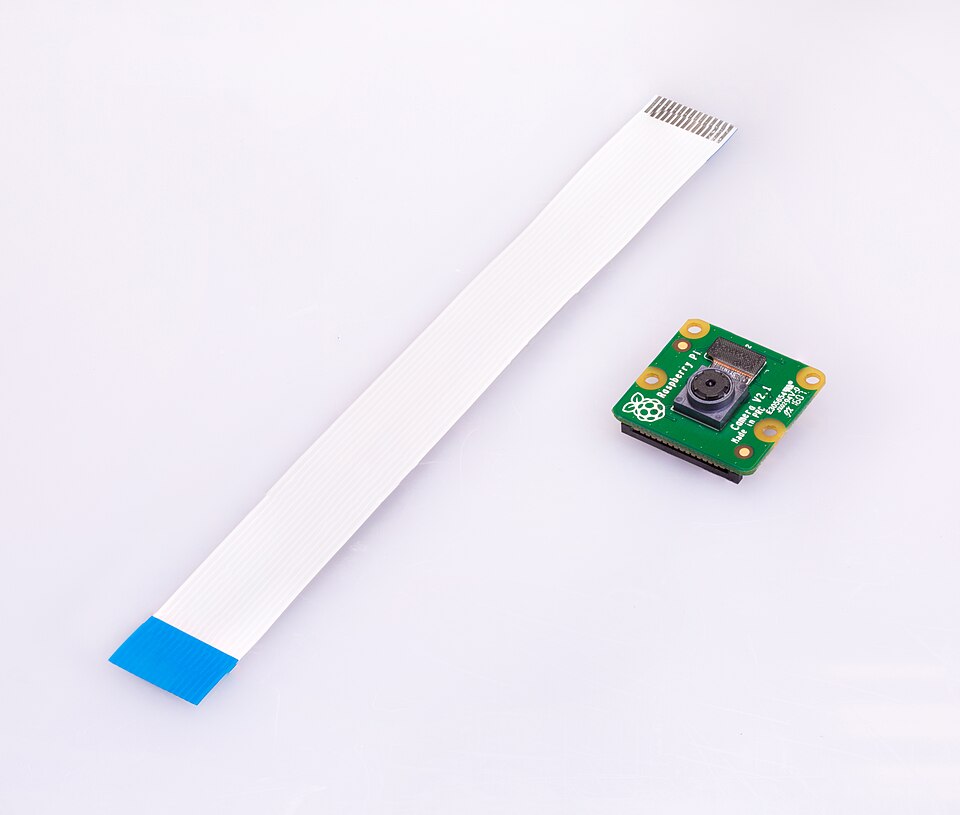
Guard A door and dock cameras
The door camera looks across the doorway into the trailer (trailer, edge, creep, pallets); the dock camera watches the dock floor and the forklift lane (people, hi-vis, strikes)
Raspberry Pi 5 (in guard A's sealed top bay) · 2 x CSI-2 ribbon · 5 fps door frames and 2 fps dock frames, checked on the brain; a 12 MP still of each pallet
04
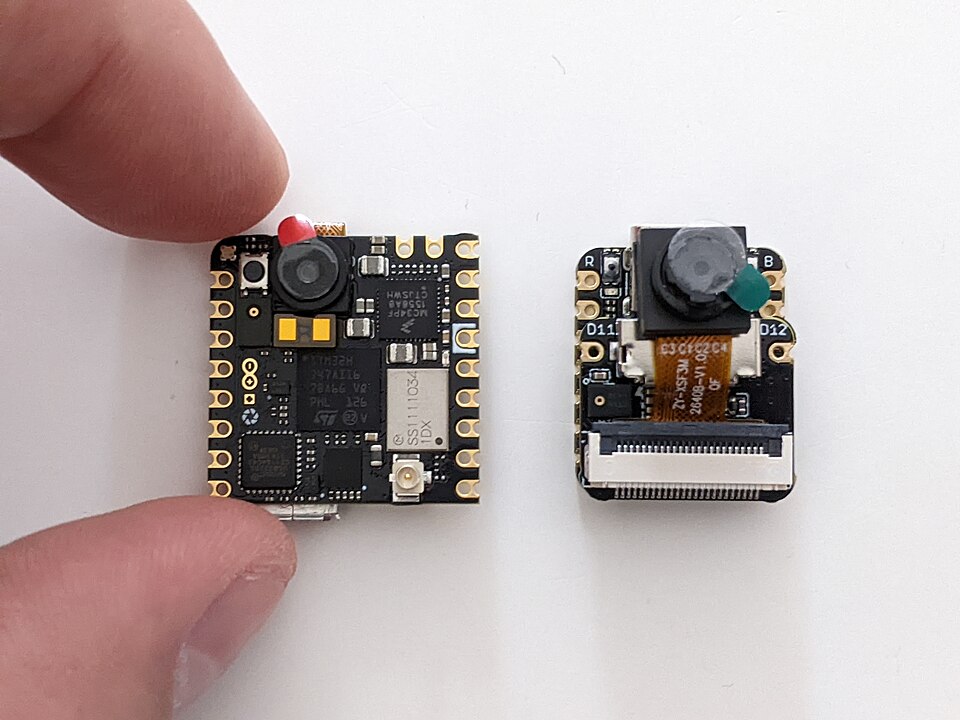
Guard B door camera
The second door camera, from the other side of the door: stereo with guard A for trailer creep, pallet height and the far rear post
Raspberry Pi 5 (in guard A's sealed top bay) · Shielded 5 V and data lead in the door header conduit (encrypted), BLE LE Secure Connections as back-up · Door frames with time stamps; light and tone commands back
05
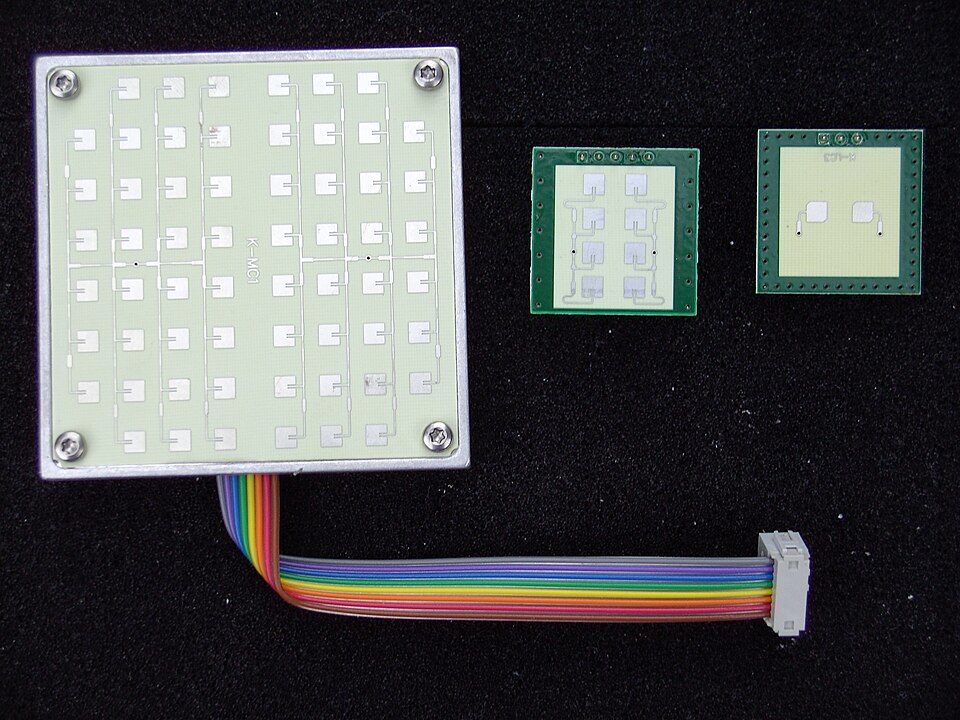
Approach radar
Forklift speed and people coming to the door, up to 6 m, through guard B's front window
Raspberry Pi 5 (in guard A's sealed top bay) · UART to the XIAO in guard B · Up to 3 targets: range, angle and speed at 10 Hz
06
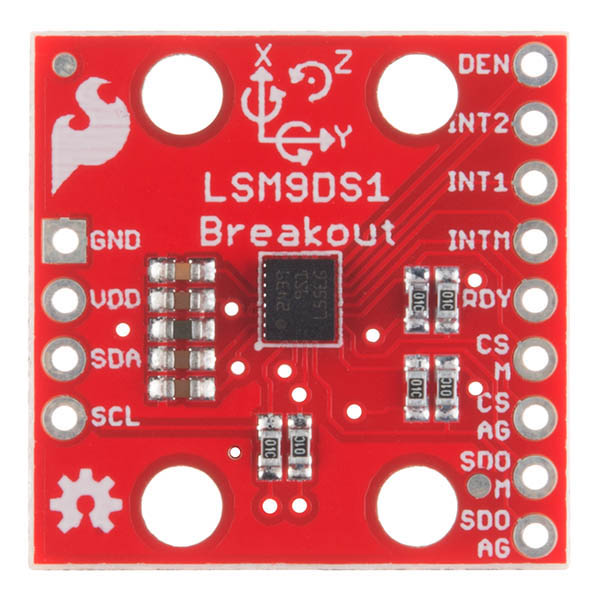
Strike and door air sensors
A strike sensor in each guard logs forklift hits; the air sensor in guard B sees warm air at a cold-load door left open
Raspberry Pi 5 (in guard A's sealed top bay) · I²C (STEMMA QT) · Strike g level and time; air temperature and humidity every 30 s
07
Call lights, tone and secure element
Green, amber and red door calls on both guards with a horn tone; every call signed; the tamper switch marks the log if a cap is opened
Raspberry Pi 5 (in guard A's sealed top bay) · One data wire + GPIO + I²C · Call colour, tone, signatures, tamper flag
08
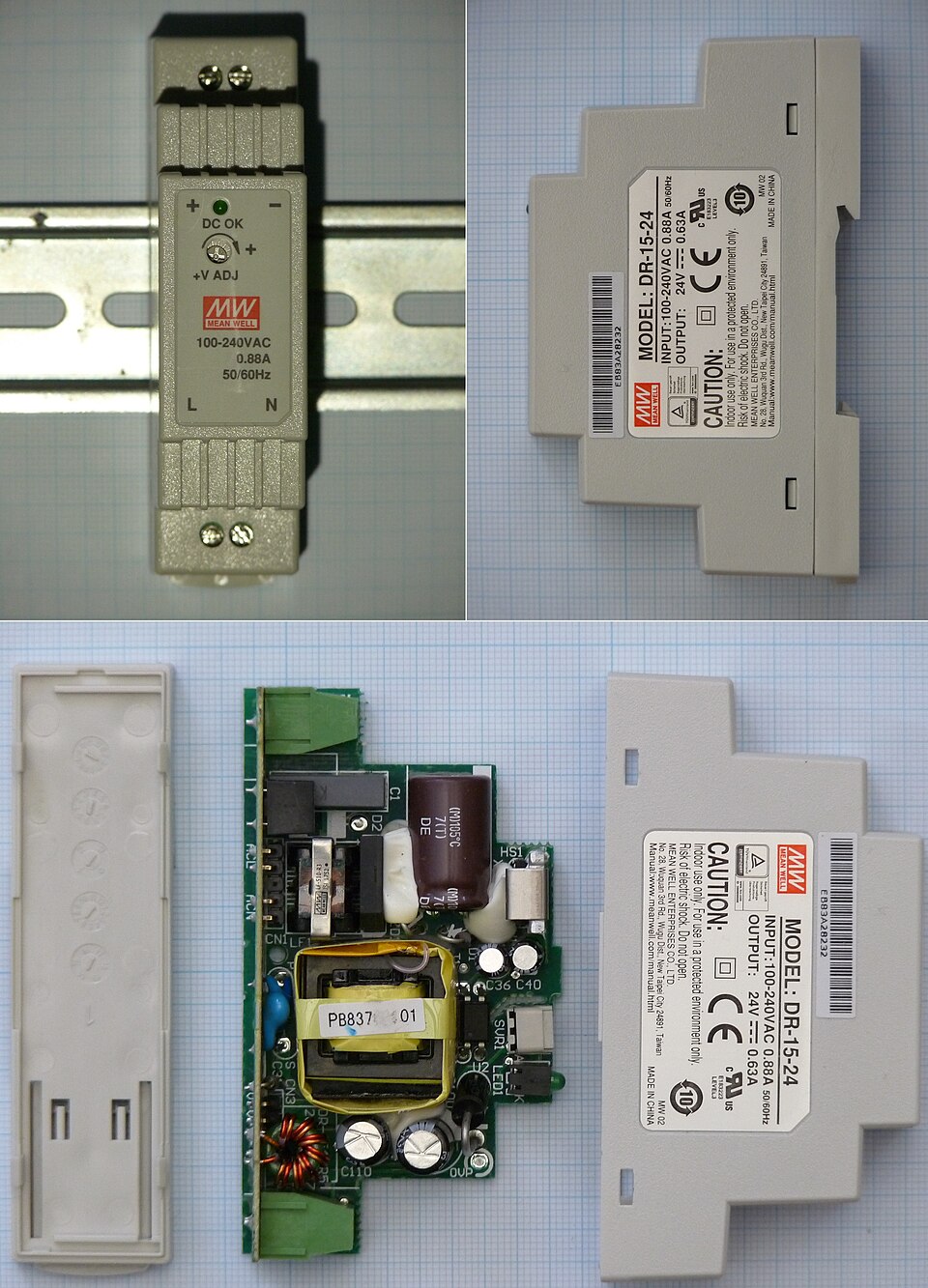
Power from the dock door circuit
Turns the dock door's own 120 V circuit into 5 V inside guard A's sealed bay, and feeds guard B through the header lead
Raspberry Pi 5 (in guard A's sealed top bay) · 5 V rail · Power, about 7.5 W per door (est.)
09
All connected
7 key parts, one program, and your phone
Our circuit board · rev A-0
Every chip on one board we design, shaped to fit: the processor, cameras and sensors, Wi-Fi and Bluetooth, lights, sound and power. No plugs, ribbons or adapters. It is checked in our CAD against every part around it, and it arrives from the maker ready to run our software from a microSD card. Turn the model, or pick a part below to see where it sits.
Loading the 3D board…
Drag to turn · scroll to zoom · right-drag to move · click a partDrag to turn · tap a part
Every board-level number DockOne's jobs depend on, checked against its target: camera pixels and frame rate, power and battery life, heat where it works, shock, radio and software. Every lesson from every one of our boards is a rule here, so this review runs again whenever any board teaches us something. Boards are ordered only when nothing fails and the items to prove are measured.
| Area | Check | Our board | Target | Status |
|---|---|---|---|---|
| Camera | Door camera A: a 20 mm trailer creep step, trailer floor 2 m in at 3.13 m | 13.2 px | ≥ 4 px | passes |
| Camera | Door camera A: frame rate the calls need | 5 fps at 2160 × 3840 | chip: 30 fps at 2160 × 3840 | passes |
| Camera | Door camera A: data rate vs its 4-lane link | 0.41 Gbps (10-bit) | ≤ 80 % of 3.564 Gbps | passes |
| Camera | Door camera A (gap): a 10 mm gap opening at the leveler lip at 1.82 m | 11.3 px | ≥ 4 px | passes |
| Camera | Door camera A (gap): frame rate the calls need | 5 fps at 2160 × 3840 | chip: 30 fps at 2160 × 3840 | passes |
| Camera | Door camera A (gap): data rate vs its 4-lane link | 0.41 Gbps (10-bit) | ≤ 80 % of 3.564 Gbps | passes |
| Camera | Dock camera A: a 50 mm hi-vis stripe on a person at the door at 2.22 m | 70.8 px | ≥ 8 px | passes |
| Camera | Dock camera A: frame rate the calls need | 2 fps at 3840 × 2160 | chip: 30 fps at 3840 × 2160 | passes |
| Camera | Dock camera A: data rate vs its 4-lane link | 0.17 Gbps (10-bit) | ≤ 80 % of 3.564 Gbps | passes |
| Camera | Door camera B: a 20 mm trailer creep step, trailer floor 2 m in at 3.13 m | 7.3 px | ≥ 4 px | passes |
| Camera | Door camera B: frame rate the calls need | 5 fps at 1200 × 1600 | chip: 15 fps at 1200 × 1600 | passes |
| Camera | Door camera B: data rate vs its 1-lane link | 0.08 Gbps (8-bit) | ≤ 80 % of 0.192 Gbps | passes |
| Camera | Image processor load, all cameras | 109 Mpx/s | ≤ 480 Mpx/s (RK3576J ISP) | passes |
| Camera | Cameras in step for timed calls | one frame-sync line from the RK3576J to both IMX415 chips, and down the lead to guard B, which time-stamps every OV2640 frame to it | the two door views within 1 ms of each other (est.) | passes |
| Camera | AI engine time per frame | 6 TOPS | every door and dock call from 5 fps door and 2 fps dock frames in under 0.5 s, the stereo creep track at the same time | to prove on the dev kit |
| Power | Supply | Mean Well IRM-20-5 PCB-mount 5 V 20 W supply on the dock door's own 120 V circuit (class II, fused), guard B fed 5 V over the lead | ≤ 70 % of the supply (14 W) | passes |
| Power | Power cut | no cells: when the door circuit is off the dock door does not work either; the trailer log is written to eMMC every second | no lost calls or log in a power cut | to prove on the dev kit |
| Heat | RK3576J temperature, a summer dock with the doors open, 45 °C in the guard top (est.) | 63 °C | ≤ 85 °C (rated) | passes |
| Heat | Camera chips away from the processor | door camera 228 mm, dock camera 186 mm from the RK3576J | ≥ 30 mm | passes |
| Shock | Shock and vibration | 500 g (est.) | standard parts | passes |
| Software | Starts our software from the microSD card, no setup | microSD socket with a hinged, latched lid (Amphenol 101-00660 class), fitted on every board: our software starts from the card; microSD socket with a hinged, latched lid (Amphenol 101-00660 class), fitted on every board: guard B's software and clip store on the card | card socket fitted on every board, latched | passes |
| Software | Card power switch and protection | 2 power switches and 2 ESD arrays for 2 card sockets | every socket: switched card supply, ESD on all 6 lines | fixed by the review |
| Software | The card wins the start | eMMC shipped empty; our loader reads the card first | the processor starts from the card every time | fixed by the review |
| Software | Card grade | industrial pSLC microSD (Kingston Industrial or Swissbit S-56u), −40 to 85 °C | rated for the heat, cold and writes | to prove on the dev kit |
| Software | Clip buffer for an unsure call | 39.5 s of 8-bit 5 fps video in 40 % of the 4 GB memory | ≥ 3 s | passes |
| Radio | Wi-Fi from inside a steel guard | guard A's Wi-Fi 6 module behind a new 60 × 10 PC antenna window in the front face, into the building | certified Wi-Fi module, site Wi-Fi at the door | to prove on the dev kit |
| Radio | Guard B's radio (BLE back-up link) | ESP32-S3 module's PCB antenna behind the same 60 × 10 window in guard B | certified module; the lead is the main link | to prove on the dev kit |
| Moisture | Conformal coating | coated | coated, sensors, sockets and antennas masked | passes |
| Fit | Board inside the product CAD, every part checked in 3D | not yet in the product CAD | nothing touches | to prove on the dev kit |
| Camera | Every door and dock call in its camera's view | Door camera, guard A: worst 26.7° / 26.3°; Dock camera, guard A: worst 24.1° / 20°; Door camera, guard B: worst 26.7° / 26.3° | inside each lens's view (door 60 × 91.5°, dock 70 × 43°, guard B 60 × 75°) | passes |
| Camera | Camera holes in the steel faces | door A needs Ø43, dock A Ø39, door B Ø28; steepest line of sight 67° from the face | rev T holes Ø44, Ø40 and Ø28 with flush clear PC covers; ≤ 72° | fixed by the review |
| Fit | Camera tabs on their brackets | Door camera, guard A: holder 0.3 mm off the wall, tab 6.53-12.03 mm off the strip, hinge 22.2 mm; Dock camera, guard A: holder 0.3 mm off the wall, tab 7.04-12.11 mm off the strip, hinge 22.3 mm; Door camera, guard B: holder 0.3 mm off the wall, tab 3.83-7.17 mm off the strip, hinge 19.4 mm | holder ≥ 0.3 mm off the wall, bracket ≥ 0.5 mm, hinge within the 25 mm flex | to prove on the dev kit |
| Sensors | Approach radar through its window | views 33.9° / 3.1° and 52.8° / 1.2°; the ±70° × ±40° view needs 47.2 × 18.6 mm at the face | inside the chip's view; the 50 × 20 window | passes |
| Power | Mains on the board | certified PCB-mount supply (IEC/UL 62368-1, class II), T2A fuse and surge part, 6.4 mm creepage with a routed slot, push-in terminal behind the conduit entry | UL/IEC 62368-1 at the test lab | to prove on the dev kit |
| Fit | Lead between the guards | Molex Micro-Fit 3.0 8-pin, latched and keyed at both ends; about 9 m of 18 AWG in the header conduit drops 0.11 V at guard B's 0.6 A peak | ≤ 0.25 V drop; latched, keyed, no adapters | passes |
| Security | Cap tamper sensor | DRV5032 Hall switch at each front strip's top edge, 7 mm under a Ø6 × 3 magnet bonded in the cap; the strike sensor also logs the cap coming off | cap opened = logged and signed | to prove on the dev kit |
| Shock | Forklift strike on the guard | boards on stand-offs, cards latched, MEMS clocks, both strips held by brackets | PAS 13:2017 impact test with the boards running and logging | to prove on the dev kit |
| Fit | Flex lengths | F1 55 mm (A) and 79 mm (B); F2 86 mm (A) and 165 mm (B) | routed and held in the rev T CAD | to prove on the dev kit |
Before we order the first boards, we prove these on the RV1126B development kit or in the rev A tests:
Demo · 6 real-world moments
Short animated scenes of real moments: what happens today, what DockOne does about it, and what lands on your phone. The same scenes play in the IEMI app.
07:31. A forklift is inside the trailer at the door when the trailer starts to creep away from the dock.
Use cases
Nobody sees the gap open between the leveler and the trailer until the forklift's wheel finds it; trailer creep is a classic cause of forklift falls.
The two door cameras in the guards see the trailer in stereo. A creep or early pull-away is called in under 0.5 s: both guards flash red with the horn before the gap grows, and the dock lead gets the call with a clip. Under 80 % sure: an amber flash and 'check trailer', never ignored.
Nothing stops someone walking off the dock in the dark except a chain that was not put up.
The door cameras, guard B's radar and guard A's dock camera see the door open with no trailer, and both guards go red. When a person or forklift comes within 2 m, the horn sounds in under 1 s. Unsure counts as an open edge, the safer side.
Someone counts pallets on paper while also driving, and damage is found days later when the carrier will no longer accept the claim.
The two door cameras count every pallet that crosses the door and keep a still of each, against the advance notice. Two pallets close together or a blocked view are counted as 'check'. Damage is flagged with an amber nose light; a person decides every claim.
Speed limits are signs on the wall, and a supervisor sees maybe one near miss a week out of dozens.
Guard B's radar measures the forklift's speed and guard A's camera sees people in the lane. Over 8 km/h within 4 m of the door, the front-face lights go red with a short tone. A missing hi-vis gets an amber reminder; the dock lead decides anything beyond that. Faces are never recognised.
Dwell times come from the gatehouse log, hours late, and a door left open on a cold dock just warms the stock until someone feels the draught.
The door cameras see each trailer arrive and leave in under 5 s, and the nose lights glow green while one is at the door. When the door panel stays up with no trailer, the guards treat it as an open edge, and after 10 minutes (set per door) guard B's SHT45 sensor adds how much warmer it is at the door.
The driver loads, counts in their head and signs; a short load or a leaning pallet is found by the customer.
The guards run the door: they log the trailer, count and photograph every pallet out against the order, warn at an open edge, and flag a leaning pallet with an amber nose light and its still. Damage and short loads go to the dock lead to decide.
Demo scenes show how DockOne and its app are designed to behave. DockOne is in design; nothing here is recorded from real equipment yet.
What it is
IEMI's one product for a warehouse dock door: the door's two track guards, made smart, with one brain and one app.
What it does
Who it's for
Warehouses, distribution centres and 3PLs.
The idea
The problem today
About 33,000 US workers missed work after dock, dock-plate and ramp injuries from 2015 to 2020, and 49 died (BLS). Forklifts run off open dock edges, trailers creep or pull away with a forklift inside, and short or damaged loads become disputes with no photo. Dock cameras, door lights and pallet counters are separate systems on the wall and on poles, each with its own app.
With DockOne
Every dock door already has two steel track guards bolted beside it. DockOne puts two door cameras, a dock camera, a radar, call lights, a tone and the brain inside their top bays, so the door itself sees the trailer and the dock floor. It turns red at an open edge, warns at once when a trailer creeps, counts and photographs every pallet, slows forklifts and calls a door left open, with one signed log per door.
How the parts connect
Every part, what links it to the brain, and how the data reaches your phone. A solid line is a cable; a dashed line is a radio link.
The program
while True:
    a, b = door_a.frame(), guard_b.frame()
    trailer = rear_posts(a, b)                 # stereo range to the trailer
    targets = guard_b.radar()
    calls = edge_rule(door_open(a), trailer, targets) + creep_rule(trailer, history)
    calls += pallet_rule(a, b, order) + lane_rule(targets, dock.frame())
    calls += door_rule(door_open(a), guard_b.air()) + strike_rule(imu_a, guard_b.imu())
    for c in calls:
        if c.conf < c.line: c.kind = 'check'   # never guess
        atecc.sign(c); guards.show(c); app.send(c)
    time.sleep(0.1)
To your phone
Dock lead phones, the shift manager's tablet and the yard office screen (Android, iPhone, web)
One screen for each job DockOne does.
No dock lead at the door modeNight shift, one dock lead for 20 doors. Door 12 logs the trailer, counts 26 pallets out, warns a driver at an open edge and flags one leaning pallet.
Open edge and trailer creep07:31: the trailer at door 12 creeps 70 mm while a forklift is inside. Both guards flash red with the horn before the gap grows.
Pallet count and damageInbound load on door 7: the door counts 24 pallets in against the advance notice and keeps a still of each; pallet 9 has a crushed corner.
Forklifts, people and hi-visA forklift comes to door 4 at 11 km/h; the front lights go red with a tone. Later a visitor without hi-vis gets an amber reminder.
Trailers, doors and dwellThe shift manager checks the morning: average dwell 74 min, door 3 left open 14 min with no trailer and the cold-dock door 9 warming by 6 °C.
App screens with sample data. The interface is in development.
| Trailers | Door 12: trailer in 06:42, out 08:05, dwell 83 min | Live |
|---|---|---|
| Open edge and creep | Door 12: creep 70 mm at 07:31 with a forklift inside (clip) | Live |
| Pallets | 26 out of 26 on order 48812, 1 still to check | Each load |
| Forklifts and people | 3 fast approaches today, 1 hi-vis reminder | Live and daily |
| Door and air | Door 12 open 14 min with no trailer; +6 °C at the door | Live |
| Strikes | Guard B struck 7.2 g at 14:10 (clip) | Live and weekly |
No face recognition. People are found only for the edge, lane and hi-vis calls. Pallet stills and call clips are kept 30 days in the warehouse's own account; staff notice labels sit on both guards.
CAD design · Stage 2 ready, 29 Oct 2026: smart dock-door track guard pair that runs the door itself (10 calls since the 30 Oct check, 7 alone, 3 assist); parts list checked ($796 per door at qty 1), margin about 30-48 % (est.); 16 camera and radar views checked in the CAD; not built
| AI processor | One board of our own in each guard: a Rockchip RK3576J processor (6 TOPS) with 4 GB memory in guard A, an ESP32-S3 in guard B. The bench guards use a Raspberry Pi 5 and a XIAO ESP32-S3 Sense until the boards arrive |
|---|---|
| Sensors | Two door camera chips, one in each nose (Sony IMX415 8 MP in guard A, OmniVision OV2640 in guard B), turned 35° out to the trailer: stereo for trailer creep and pallet height · Sony IMX415 dock camera chip in guard A’s front face, over the dock floor · TI IWRL6432AOP 60 GHz radar chip and a Sensirion SHT45 air chip in guard B · 32 call-light LEDs, two sounders, strike sensors, security chips and cap tamper switches in both guards |
| Connectivity | Site Wi-Fi (WPA3), MQTT over TLS · Encrypted lead between the guards in the door header conduit · BLE for admin pairing and back-up |
| Power | The dock door’s own 120 V circuit into a certified 5 V 20 W supply soldered on guard A’s board; guard B fed over a latched lead in the door header conduit: about 5.5 W working and 11 W at a call; a freezer dock adds the window heater from the bench design, rev T (est.) |
| Enclosure | The guards' own 4.8 mm steel box profiles with 6 mm steel top caps, safety-yellow powder coat |
| Dimensions | Two guards, each 273 x 203 x 1,232 mm (48-1/2 in), either side of a 2,743 mm (9 ft) door |
| Weight | About +1.4 kg per pair over plain guards (est.) |
| Ingress rating | IP65 target for the sealed bays |
| Trailer | At the door, dwell, creep and pull-away |
|---|---|
| Edge | Open edge with a horn |
| Pallets | Count in and out, stills, damage |
| Lane | Forklift speed, people, hi-vis |
| Clear opening | 2,743 mm kept (OSHA 1910.176(a)) |
|---|---|
| Marking | Safety yellow (OSHA 1910.144) |
| Privacy | No face recognition; staff notice |
| Not | A trailer restraint; it warns and records |
| Records | Signed monthly dock safety record |
| Supply | Dock door's own 120 V circuit, 20 W potted supply |
|---|---|
| Use | 7.5 W working, 9.5 W on a call, 3 W door shut (est.) |
| Size | Two guards, each 273 x 203 x 1,232 mm |
| Parts | About $796 per door at qty 1 (est.) |
Targets for production units; they may change during development.
Hardware: $1,290 per dock door (two smart guards)
Software: $49 per month per door (dock app)
Target pricing. Bought separately per door: LoadingDock AI ($495 a door + $249/month), PPE Gate ($899 + $29/month), a dock light kit (about $600, est.) and two plain 48 in guards (about $380): about $2,374 + $278/month (est.).
$1,290 + $49/month
Every door job in the door's two track guards.
Indicative launch pricing in USD, excluding taxes and shipping. Final pricing is confirmed before any balance is charged.
Community
DockOne is in development. Rate the idea, tell us what to change about the features, specs or price, and we'll build it with your feedback.
How much people want it
–
No ratings yet
Follow DockOne
Get build updates and first access when pre-orders open.
No comments yet. Tell us what you'd want from DockOne.
Questions
Tell us what this would save you, or ask anything. We reply within two business days.
A member of the IEMI Labs team will reply within two business days.
From the product lab · ideation phase
Smart equipment · legal on the field
It replaces the dock door's existing pair of door-track guards (or the bare tracks), at the same place on the same floor bolts, with every part built in. Everything inside the two guards' sealed top bays (z 995 to 1,226 mm): Raspberry Pi 5, two cameras, the second camera, radar, air sensor, two strike sensors, four call lights, two tones, two secure elements, two tamper switches and a potted supply. About +1.4 kg per pair over plain guards (est.); no wall camera, pole, light box or leveler sensor.
| Rule | Limit | DockOne |
|---|---|---|
| Safe clearance through doorways and at loading docks (29 CFR 1910.176(a)) | the door's clear width kept for forklifts | ✓ both guards stay outside the 2,743 mm opening; the base plate is turned away from the opening (the CAD asserts nothing passes the jamb) |
| Trucks held while forklifts drive onto them (29 CFR 1910.178(k)(1)): brakes set and wheel chocks, or a vehicle restraint | the trailer must not move while a forklift is in it | ✓ the dock's own chocks or restraint stay; DockOne adds the warning: it sees the trailer creep or pull away and turns the door red with a horn (it does not hold the trailer and makes no safety claim) |
| Dockboards and the open edge (29 CFR 1910.26 and 1910.28(b)(1)(iii)) | run-off protection on dockboards; the dock edge open only during loading, to trained staff | ✓ the leveler and its lip are unchanged; DockOne calls the open edge (door open, no trailer) red and sounds when a person or forklift comes within 2 m |
| Marking of striking-against hazards (29 CFR 1910.144(a)(3)) | yellow | ✓ safety-yellow powder coat, as the plain guard; the call lights sit behind flush slots |
| Same size and installation as the plain guard | 48 in high, 10-3/4 in along the wall, 3/16 in steel, floor bolts (Ideal Warehouse TrackProt WBB3195530) | ✓ 1,232 mm with the cap, 273 x 203 mm, 4.8 mm steel, the same four floor anchors; the door track runs in the same notch (the CAD asserts height, depth and the clear notch) |
| Electrical (NEC Article 400 / UL 62368-1) | listed supply, mains only inside a closed enclosure, nothing live a person can touch | ✓ a potted Mean Well IRM-20-5 in guard A's sealed bay on the dock door's own 120 V circuit; 5 V everywhere else, 5 V to guard B in the door header conduit; listing tests in the first build |
| Cameras watching workers (New York Civil Rights Law 52-c; Connecticut 31-48d; GDPR where it applies) | written notice to staff, a stated purpose, data minimised | ✓ notice labels on both guards and a staff notice in the app; no face recognition; pallet stills and call clips only, kept 30 days |
| Radio (FCC Part 15 / RED) | certified modules | ✓ Wi-Fi and BLE on the Raspberry Pi 5's and the XIAO ESP32-S3's certified radios |
| OSHA National Emphasis Program for warehousing and distribution centre operations (CPL 03-00-026), in force 31 July 2026 for five years | inspections give particular attention to loading docks and forklift and pedestrian interactions, and review injury records for the current and three past years | ✓ the guards keep a signed, append-only record of every open edge, creep, fast forklift, person in the lane, strike and door left open, with the dock-door temperature, and give the safety manager a monthly dock safety record per door (a record aid; the site's own safety programme and OSHA decide compliance) |
Warehouse and distribution-centre dock doors. Electrical listing and radio tests before sale. DockOne warns and records; the dock's own chocks, restraint and leveler still hold the trailer and close the edge, and it makes no safety claim.
One piece of equipment does
Not done by the equipment, and why
Makes the call itself
With no dock lead at the door, the guards run it: they log every trailer's arrival and departure, turn the door red with a horn when the edge is open and someone comes close, warn the forklift driver at once if the trailer creeps or pulls away, count and photograph every pallet, slow forklifts at the door, remind about hi-vis and call a door left open. Damage, missing hi-vis and short loads go to a person to decide.
| Call | Who decides | How it sees it | How players see the call · if unsure |
|---|---|---|---|
| Trailer at the door, and dwell time< 5 s · about 98 % (est.) | The equipment | the two door cameras (guard A Camera Module 3 Wide and guard B XIAO ESP32-S3 Sense); trailer-rear detector (int8) on 5 fps frames, stereo range to the rear posts | Nose lights green when a trailer is at the door; dwell clock in the app; signed in and out times give a per-carrier door-time export for detention disputes (time at the door only, not the gate or yard). Door view blocked: 'check door' to the dock lead, never a guess |
| Open edge: door open and no trailer< 1 s · about 97 % (est.) | The equipment | door cameras + guard B radar + guard A dock camera; trailer-rear detector + person and forklift detector, radar range | Both guards red; horn when a person or forklift is within 2 m. Unsure: treated as an open edge (red), the safer side |
| Trailer creep or early pull-away< 0.5 s · about 95 % of moves over 50 mm (est.) | The equipment | the two door cameras in stereo; rear-post tracker: gap growth over 50 mm, or the trailer moving with the lip down | Both guards flash red with the horn; alert to the dock lead with the clip. Under 80 % confidence: amber flash and a 'check trailer' alert, never ignored |
| Pallet in or out, with its still< 2 s · about 97 % of pallets counted (est.) | The equipment | the two door cameras; pallet detector and direction tracker at the door plane; label reader on the face to the door | Short green blink; count against the order in the app. Two pallets close together or a blocked view: counted as 'check', still kept |
| Pallet damage< 5 s · est.; not field-tested | Helps the official | the two door cameras; damage classifier (crushed corners, leaning stack, torn wrap) on the pallet still | Amber nose light and the still to the dock lead. Any doubt: 'look at this pallet'; a person decides every damage claim |
| Forklift too fast at the door, or a person in the lane< 0.5 s · about 95 % (est.) | The equipment | guard B radar + guard A dock camera; radar speed over 8 km/h within 4 m, person and forklift detector | Front-face lights red with a short tone. Radar and camera disagree: amber, logged |
| Hi-vis at the door< 2 s · about 90 % (est.) | Helps the official | guard A dock camera; hi-vis colour and vest detector on people only, no faces | Amber light and a short tone as a reminder; the dock lead decides. Unsure: no reminder |
| Door left open, or warm air at a cold-load doorafter 10 min (set per door) · about 99 % (est.) | The equipment | door cameras (door panel position) + guard B SHT45; door state + air temperature rise against the dock's set point | Amber lights and an alert to the dock lead. None needed |
| Guard struck< 1 s · about 99 % of strikes over 4 g (est.) | The equipment | LSM6DSOX in each guard + dock camera clip; strike threshold over 4 g with the clip | Logged with the clip; daily report. None needed (logged only) |
| Monthly dock safety record per doormonthly, and on demand before an inspection · exact for the signed log; each call's own accuracy is est. until field-tested | Helps the official | the signed calls of both guards (open edge, creep, lane, strikes, door left open) and guard B's SHT45 temperature and humidity; none for the judgement (a person decides); a monthly roll-up of the signed append-only log: near misses by door, shift and hour, and the door's heat trend | Record page in the app, exported as a signed PDF and CSV. Gaps in the log (power off, a guard offline) are listed as gaps, never filled in; the safety manager decides what it means for the site's programme |
Nothing added to the field
The only things in play are the items the laws already put there:
The dock door, tracks, leveler, bumpers, seals, restraint and wall stay as they are; no wall camera, pole, light box or leveler sensor
Built to take the hits
Secure by design
Dock light and restraint systems (such as Rite-Hite Rite-Vu) light the door but do not count pallets or keep a clip, and AI on existing cameras (such as Roboflow or Zimark) needs a camera that sees into the trailer and a server. DockOne puts both in the two track guards the door already has: the creep, edge and pallet calls are made at the door, with the light and horn on the guards, and nothing is added to the wall.
$1,290 per door, which replaces the door's two plain track guards, plus $49 a month for the dock app. Bought separately, a dock camera system, a pallet counter, a light kit and two guards come to about $2,374 + $278 a month per door (est.). Fitting is extra.
No. It warns: both guards flash red with a horn the moment the trailer creeps or pulls away. Your chocks or vehicle restraint still hold the trailer, as OSHA requires. It makes no safety claim.
LoadingDock AI and DoorPost: pallet counts, stills, dwell and the door light now come from the door's own track guards. The yard (SafeYard, ParkSense), the forklift cab (ForkGuard), goods on the road (ColdChain Guard) and site entrances (PPE Gate) are other zones and stay listed.
No. DockOne replaces the two plain track guards on the same floor anchors and uses the door's own 120 V circuit.
No. People are found only for the edge, lane and hi-vis calls. Pallet stills and call clips are kept 30 days, and staff notice labels sit on both guards.
It keeps records; it does not make a site compliant. OSHA renewed its warehouse emphasis programme on 31 July 2026 for five years, with loading docks and forklift and pedestrian interactions in focus. DockOne's guards sign every open edge, trailer creep, fast forklift, person in the lane, guard strike and door left open, and give the safety manager a monthly dock safety record per door with the door's temperature. The site's own safety programme and OSHA decide what it means.
Yes, for the time at the door. The guards sign the minute each trailer arrives at and leaves the door, and the app exports those times per carrier. They do not see the gate or the yard queue, so the gate time stays with the yard's own log, and a person settles every bill.
It says 'check' and keeps the clip for the dock lead. An unsure open edge is shown red, the safer side. A person decides every damage claim.
A palm-sized edge box that plugs into your existing parking cameras.
From $499 per edge box
Details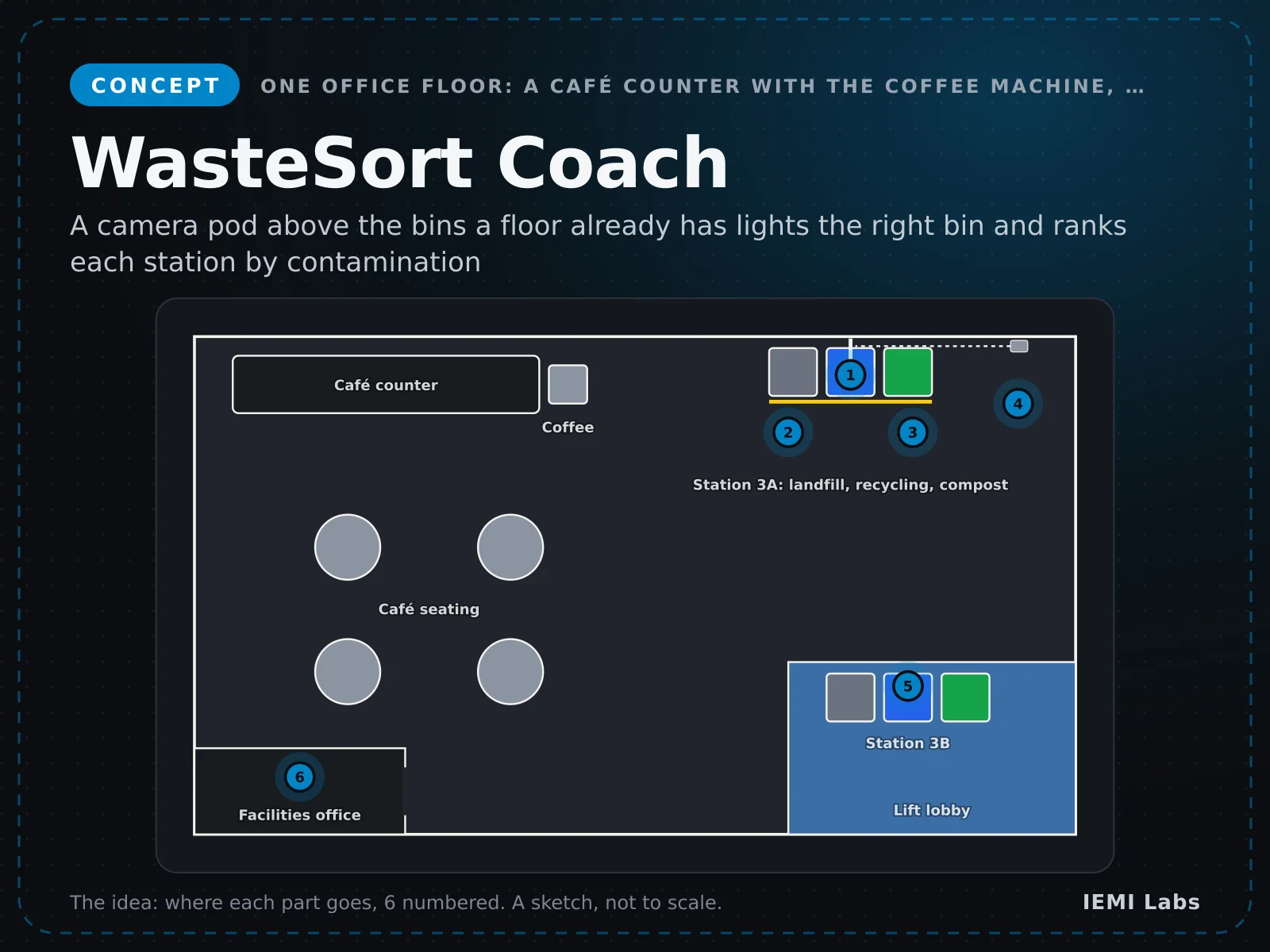
A clip-on camera coach for the recycling bins you already have.
From $299 per 3-bin station
Details
A rugged camera for the forklift roof with an in-cab display that warns of pedestrians.
From $799 per forklift
DetailsDockOne
Concept · target $1,290