Skip to content
IEMI Labs

FootballOne

IEMI's one football product: a smart goal pair that is its own referee. It calls goals, goal kicks, corners and the penalty keeper rule, lights up with each call, and logs shots, headers and the keeper count

Concept · not for sale
Our one product for FootballEngineering design: FootballOne
Target price from$4,690per pair of smart goals with sockets and the referee wrist unit

Software: Basic alerts included · optional plans up to $29 per month (Club Clips, optional)

Concept, not for sale yet. Tell us if you want it; that decides what we build.

Rate this idea and tell us what to change
FootballOne concept: the idea and where each part goes

Drag to rotate · right-drag to move · scroll to zoom · click a part for its size and placeSwipe to rotate · pinch to zoom · two fingers to move · tap a part for its size

How it fits together

FootballOne, part by part

Scroll or tap a part. Press “See the 3D CAD design” to watch the model, built from our CAD, light each part up and show how it connects.

FootballOne concept: the idea and where each part goes

Real-time 3D render · drag to rotate · final design may varySwipe sideways to rotate

  1. 01

    The whole FootballOne

    The goal is the product and its own referee: a goal-line camera in each post, an AI camera and a Pi Zero 2 W at each post top, light bands and a horn in every post, and a signed log decide goals, goal kicks, corners and the penalty keeper rule from inside the goal frame.

  2. 02Brain

    Raspberry Pi Zero 2 W at the top of the home left post

    The brain: it runs the footballone-goal program

  3. 03

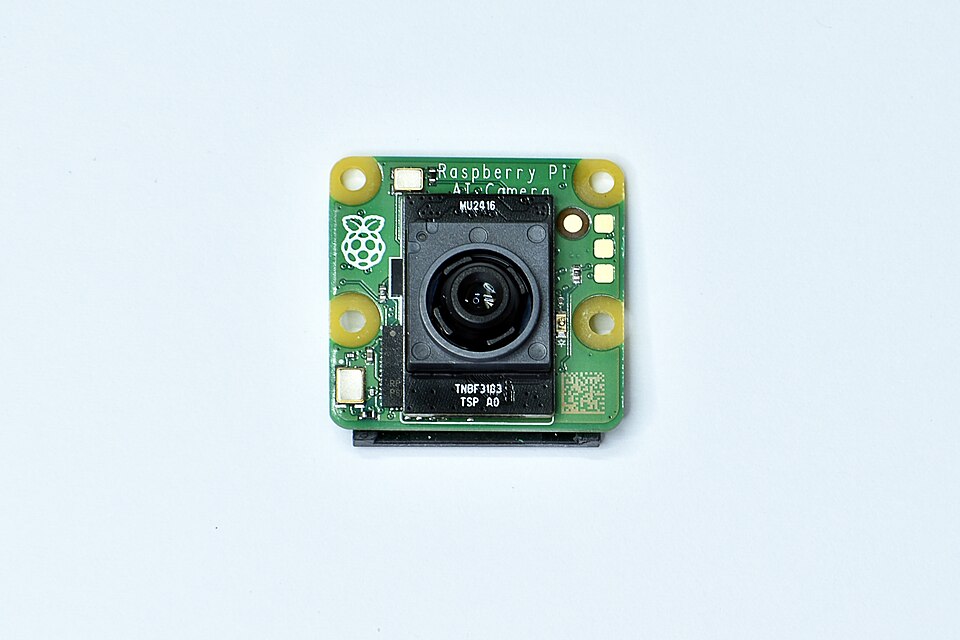
    AI camera at the top of each post

    Looks out over the goal mouth and the penalty area from each post top: shots, saves, headers, the keeper holding the ball, the penalty kick and the last touch; the right post computer sends its view to the brain over a USB lead through the crossbar

    Raspberry Pi Zero 2 W at the top of the home left post · CSI-2 ribbon cable · Ball, player and keeper positions (the model runs on the sensor)

  4. 04

    Goal-line camera in each post

    Looks along the goal line from the inside face of each post to the far post and on 16.5 m beyond it: whole ball over the line (goal, goal kick or corner) and the keeper's feet at a penalty

    XIAO ESP32-S3 Sense · SPI wire inside the post · Line-crossing events with frame times and a 2 s clip

  5. 05

    Call lights and horn in every post

    Shows every call to the players on the goal itself: green goal, white goal kick, amber corner or retake, blue unsure, with the horn

    NeoPixel Sticks · One LED data line and a PWM line from each post's Pi · Call colours and tones

  6. 06

    Secure element and tamper switches

    Signs every call with its clip and sensor times in an append-only log; the tamper switch under each crossbar joint marks the log if the frame is opened

    ATECC608 · I2C (secure element) and a GPIO line (tamper switch) · Signatures and tamper events

  7. 07

    Crossbar radio and motion sensor

    Feels crossbar and post hits and any tilt of the goal; links the goal to the referee's wrist and to the other goal over BLE long range (Coded PHY, about 100 m) so both goals share one match clock and score

    XIAO nRF52840 Sense · UART wire through the crossbar · Woodwork hits, tilt alarm, wrist-unit and away-goal messages

  8. 08

    Cells and charger in each post foot

    Four 18650 cells and a 5 V boost low in each post; one cell for the crossbar radio

    Raspberry Pi Zero 2 W at the top of the home left post · 5 V lead inside the post · Power for a tournament day

  9. 09

    Referee wrist unit (the one detachable part)

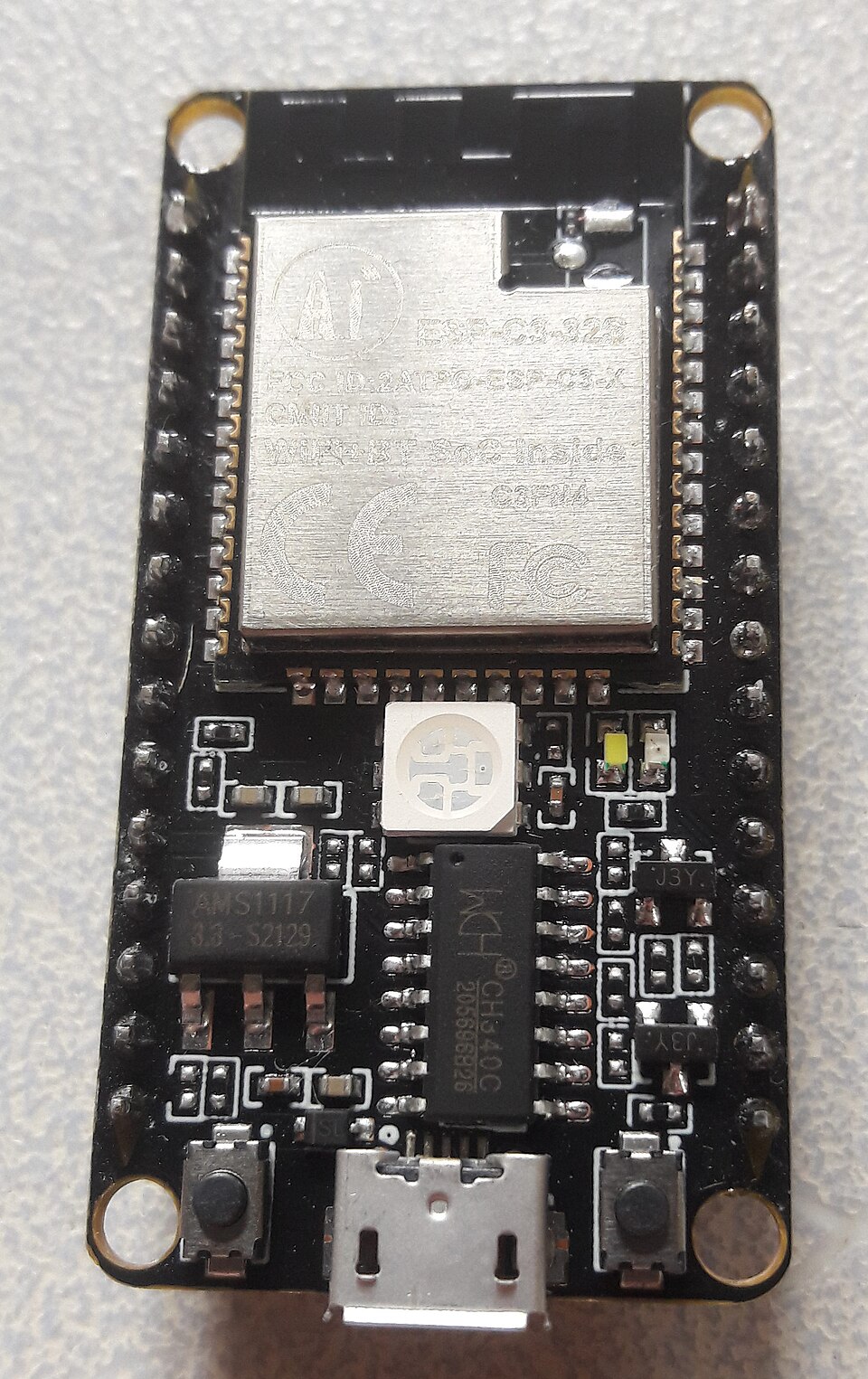
    Optional: buzzes the referee with each call and the keeper count, keeps the match clock and sin bins; no call needs it. Docks in the back of the home left post

    XIAO ESP32-C3 · BLE radio · Keys, match clock, sin bins and buzzes

  10. 10

    All connected

    8 key parts, one program, and your phone

Our circuit board · rev A-0

One board of our own inside FootballOne

Every chip on one board we design, shaped to fit: the processor, cameras and sensors, Wi-Fi and Bluetooth, lights, sound and power. No plugs, ribbons or adapters. It is checked in our CAD against every part around it, and it arrives from the maker ready to run our software from a microSD card. Turn the model, or pick a part below to see where it sits.

Loading the 3D board…

Drag to turn · scroll to zoom · right-drag to move · click a partDrag to turn · tap a part

Checked before we order

Every board-level number FootballOne's jobs depend on, checked against its target: camera pixels and frame rate, power and battery life, heat where it works, shock, radio and software. Every lesson from every one of our boards is a rule here, so this review runs again whenever any board teaches us something. Boards are ordered only when nothing fails and the items to prove are measured.

No check fails25 pass · 5 fixed by the review · 7 to prove before we order · 0 failDesign review of 4 November 2026
AreaCheckOur boardTargetStatus
CameraGoal-line camera: a size 5 ball (0.22 m) at the far top corner at 7.3 m32 px≥ 20 pxpasses
CameraGoal-line camera: smear at 119 km/h, 0.5 ms exposure16.5 mm≤ 1/3 of the ball (73 mm)passes
CameraGoal-line camera: frame rate the calls need120 fps at 1280 × 800chip: 120 fps at 1280 × 800, 180 fps at 640 × 400passes
CameraGoal-line camera: data rate vs its 2-lane link1.23 Gbps (10-bit)≤ 80 % of 1.6 Gbpspasses
CameraPitch camera: the ball (0.22 m) on the penalty-area line far side at 18.8 m36.8 px≥ 20 pxpasses
CameraPitch camera: smear at 36 km/h, 2 ms exposure20 mm≤ 1/3 of the ball (73 mm)passes
CameraPitch camera: frame rate the calls need15 fps at 3840 × 2160chip: 30 fps at 3840 × 2160passes
CameraPitch camera: data rate vs its 4-lane link1.24 Gbps (10-bit)≤ 80 % of 3.564 Gbpspasses
CameraImage processor load, all cameras247 Mpx/s≤ 360 Mpx/s (RV1126B ISP)passes
CameraCameras in step for timed callsboth cameras on one RV1126B timer pin; both posts' line cameras on a frame-sync pair through the crossbar leadevery line camera of a goal fires togetherpasses
CameraAI engine time per frame3 TOPS for two camerasball model inside the 8.3 ms frame at 120 fps; person and pose model at 15 fpsto prove on the dev kit
BatteryRun time, 4 cells, worst case (aged to 80 %, 5 °C)12.2 h≥ 10 hpasses
BatteryRun time, 4 cells, new, 20 °C17.4 h≥ 10 hpasses
BatterySpare run time, worst case22 % over 10 h≥ 20 % (the draw is an estimate until rev A)passes
BatteryCharge time7.7 h from flat at 2 A; 9 h overnight puts back 100 % of a daya full day back overnight (9 h)passes
BatteryPeak current from the cells1.89 A at 2.65 V≤ 32 A (4 × 8 A)passes
BatteryEach pack has its own protector2 protectors (U4, U34) for 2 chargersshort, over-current and over-discharge cut-off on every packpasses
BatteryCharging held outside the cells' temperature rangethermistor on the pack, read by the charger0–45 °Cpasses
HeatRV1126B temperature, full sun, 35 °C air, white post56 °C≤ 85 °C (rated)passes
HeatCell temperature, full sun, 35 °C air, white post44 °C≤ 60 °Cpasses
ShockClocks rated for the shockMEMS oscillatorsevery clock rated for 1500 gfixed by the review
ShockBall-grid chipsunderfill under U1, U10, U5no cracked joints after the drop and hit teststo prove on the dev kit
SoftwareStarts our software from the microSD card, no setupmicroSD socket with a hinged, latched lid (Amphenol 101-00660 class), fitted on every board: our software starts from the card; microSD socket with a hinged, latched lid (Amphenol 101-00660 class): the ESP32-S3 loads our program from the cardcard socket fitted on every board, latchedfixed by the review
SoftwareCard power switch and protection2 power switches and 2 ESD arrays for 2 card socketsevery socket: switched card supply, ESD on all 6 linesfixed by the review
SoftwareThe card wins the starteMMC shipped empty; our loader reads the card firstthe processor starts from the card every timefixed by the review
SoftwareCard gradeindustrial pSLC microSD (Kingston Industrial or Swissbit S-56u), −40 to 85 °Crated for the heat, cold and writesto prove on the dev kit
SoftwareClip buffer for an unsure call6.7 s of 8-bit 120 fps video in 40 % of the 2 GB memory≥ 3 spasses
RadioWi-Fi/BT module clock37.4 MHz MEMS oscillator (Y2)37.4 MHz next to the AP6256, MEMS (shock)passes
RadioWi-Fi and BLE from each postchip antenna on a tab 4 mm behind the outer face of the Ø20 radio window in the pitch facecertified AP6256 module; coaches' phones on the touchline and the other goal 100 m awayto prove on the dev kit
RadioCrossbar BLE long range to the referee wrist unitESP32-S3 module antenna end at the Ø20 radio window in the crossbar's back facethe wrist unit anywhere on a 100 m pitch; the other goalto prove on the dev kit
MoistureConformal coatingcoatedcoated, sensors, sockets and antennas maskedpasses
FitBoard inside the product CAD, every part checked in 3Dnot yet in the product CADnothing touchesto prove on the dev kit
CameraEvery goal call in its camera's viewgoal-line camera worst 18.6° up or down; pitch camera worst 12.1°inside each field of viewpasses
CameraEach lens through its window (lesson: window)pitch: the Ø20 window leaves 47.4°, the lens wants 35° down; goal line: the Ø12 window leaves 41.4°, the lens wants 33° downno vignetting over the callsfixed by the review
LinkBetween the posts over the crossbar leadtracks and calls at 120 Hz (about 0.2 Mbps) and an unsure call's clip on request (about 8 Mbps for 2 s)≤ 25 % of the 50 Mbps the THVD1450 runs over 8 m of lead, apart from a clippasses
BatteryCrossbar board run time, worst case46 h on one cell (0.15 W, est.), topped up from the left post's 5 V all day≥ 10 hpasses
BoardSpine length92 × 760 mm, 8 layers, rigid with four flex tailsinside the maker's panelto prove on the dev kit

Before we order the first boards, we prove these on the RV1126B development kit or in the rev A tests:

  1. AI engine time per frame
  2. Ball-grid chips
  3. Card grade
  4. Wi-Fi and BLE from each post
  5. Crossbar BLE long range to the referee wrist unit
  6. Board inside the product CAD, every part checked in 3D
  7. Spine length

Demo · 6 real-world moments

See FootballOne work

Short animated scenes of real moments: what happens today, what FootballOne does about it, and what lands on your phone. The same scenes play in the IEMI app.

DEMO · 1 of 6
0s

Saturday under-11 game. The referee did not turn up, so the coaches start no-official mode and the goals make the calls.

Use cases

Today, without FootballOne

A parent with a whistle guesses who touched it last from the halfway line, and both touchlines argue.

What FootballOne does

The goal-line camera in the near post sees the whole ball cross the goal line outside the post, and the post-top camera sees it come off the defender last. The near post lights amber: corner.

How the app helps

  • Corner at 09:31 on the coach's phone, off the defender, signed
  • Unsure calls go to both coaches with the clip to agree
  • 19 calls in the signed match log by 09:47
No-official match modeGoal-line camerasLights on the postsSigned call logOpen this scene in the app →
Every feature in these scenes (15)
  • No-official match mode
  • Goal-line cameras
  • Lights on the posts
  • Signed call log
  • Signed 10 s clip
  • Score and match clock
  • Penalty keeper check
  • Referee wrist unit
  • Shot and save stats
  • Post-top AI cameras
  • Player shot maps
  • Keeper count
  • Tilt and anchor alarm
  • Crossbar motion sensor
  • Woodwork hits

Demo scenes show how FootballOne and its app are designed to behave. FootballOne is in design; nothing here is recorded from real equipment yet.

What it is

IEMI's one football product: a pair of legal full-size goals with cameras, computers, batteries and radios inside the posts and crossbar, and a referee wrist unit.

What it does

  • Sees the ball cross the line and buzzes the referee
  • Logs shots, saves and headers at goal
  • Counts the keeper’s 8 seconds and keeps the match clock and sin bins
  • Alarms if a goal tilts

Who it's for

Youth football clubs, academies and schools with their own pitch.

The idea

The goals are the referee: they call goals, goal kicks, corners and the penalty keeper rule, light up, and run the rest of the game

The problem today

Youth football runs on volunteers, and many games have no qualified referee: a parent or coach with a whistle, 30 m from a scramble on the line. Goals, corners and penalty retakes are guessed and argued over, the keeper wastes time, and heading limits and sin bins are kept on paper.

With FootballOne

The club swaps its goals for FootballOne goals and changes nothing else. The posts call goals, goal kicks, corners, penalty retakes and the 8-second keeper hold, light up green, white or amber with a horn, and sign every call; unsure calls go to the coaches. Nothing else stands on the pitch.

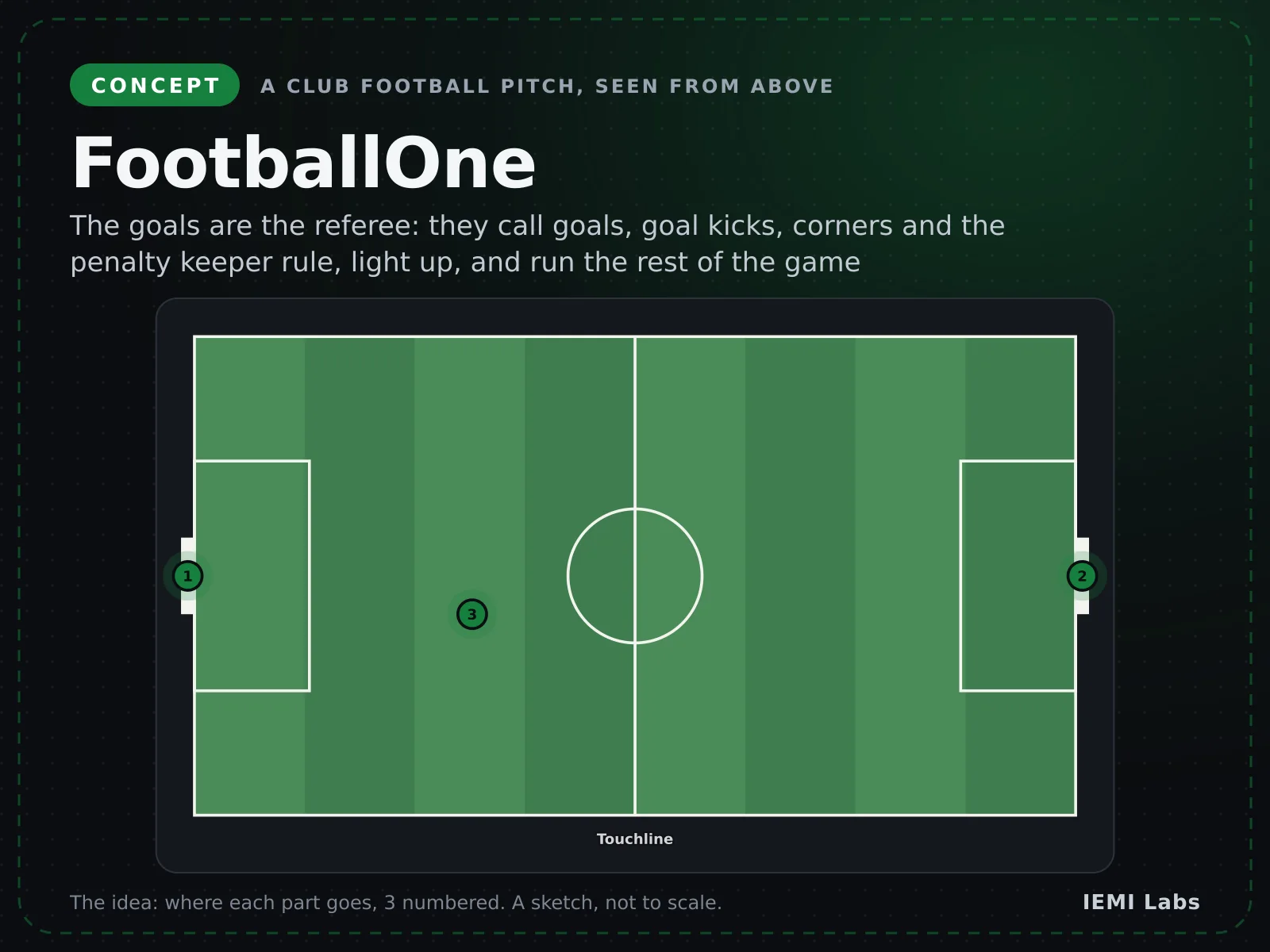
Touchline123
  1. 1Home goal (the brain)A goal-line camera in each post sees the ball cross the line; post-top cameras watch the area. Calls goals, corners, penalties; the posts light up and sign each call.
  2. 2Away goalThe same smart goal and its own official at the other end, sharing one clock and score with the home goal by radio.
  3. 3Referee wrist unit (optional)The one detachable part: buzzes each call to the referee; no call needs it. Docks in the back of the home left post.
A club football pitch, seen from above, drawn to show where each part goes (not to scale).

How the parts connect

FootballOne, wired up

Every part, what links it to the brain, and how the data reaches your phone. A solid line is a cable; a dashed line is a radio link.

AI camera at the top of each…Ball, player and keeper positions (th…CSI-2 ribbon cableGoal-line camera in each postLine-crossing events with frame times…SPI wire inside the postown board: XIAO ESP32-S3 SenseCall lights and horn in every…Call colours and tonesOne LED data line and a…own board: NeoPixel SticksSecure element and tamper swi…Signatures and tamper eventsI2C (secure element) an…own board: ATECC608Crossbar radio and motion sen…Woodwork hits, tilt alarm, wrist-unit…UART wire through the c…own board: XIAO nRF52840 SenseCells and charger in each pos…Power for a tournament day5 V lead inside the postReferee wrist unit (the one d…Keys, match clock, sin bins and buzzesBLE radioown board: XIAO ESP32-C3THE BRAINRaspberry Pi Zero 2 W at…runs footballone-goalPython 3 with Picamera2 (IMX500…Coach's phone and the club tabl…via Wi-Fi access point · MQTTHome left postvia USB, UART and BLE
Drawn from the FootballOne parts list. The 3D view above is built separately, from the CAD.

The program

What controls FootballOne

Runs on
Raspberry Pi Zero 2 W (top of the home left post)
Written in
Python 3 with Picamera2 (IMX500 metadata), pyserial and bleak
System
Raspberry Pi OS Lite (64-bit)
AI model
Ball and pose models run on the IMX500 sensor in each post; the Pi reads positions, not video
  1. 1Keep 8 s of frames and every position from the post-top and goal-line cameras, time-synced
  2. 2When the whole ball crosses the line plane between the posts and under the bar, call GOAL; outside the posts, call goal kick or corner from the last touch
  3. 3At a penalty, check the keeper's feet on the line at the kick frame; call a retake if the kick was saved
  4. 4Count the keeper's hold and call a corner at 8 s; log shots, saves, headers and woodwork
  5. 5Below the confidence limit, show unsure (blue) and keep the clip for the referee or coaches
  6. 6Sign each call in the secure element, light the posts, sound the horn and send it to the wrist and the app
footballone-goal.pymain loop
while True:
    pos = cams.positions() + line.events()      # post-top IMX500 + goal-line cameras, time-synced
    ring.push(pos)
    call = rules.decide(ring, match)            # goal, goal kick, corner, penalty retake, keeper 8 s
    if call:
        if call.conf < call.limit: call = call.unsure()
        signed = se.sign(call, clips.keep(ring, 10))   # ATECC608, append-only log
        posts.light(call.colour); horn.play(call.tone)
        wrist.buzz(call.short); app.publish(signed)
    for ev in bar.events() + away.events() + tamper.events():
        log.add(se.sign(ev))
    clock.tick(wrist.keys())

To your phone

How the data reaches FootballOne

Coach's or club volunteer's phone at the side of the pitch

  1. Home left post
  2. Coach's phone and the club tablet
  3. Home left post

What you see in the app

One screen for each job FootballOne does.

  • No officialSaturday under-11 game and the referee did not turn up: the coaches start no-official mode and the goals make the calls.

  • Goal callsUnder-12 league game with no referee: a scramble on the line and the ball is cleared off the keeper's knee.

  • Restarts and penaltiesUnder-14 cup tie: a penalty is saved, and the keeper had stepped off the line early.

  • Shots and savesTuesday finishing drill: twelve under-12s take turns at goal.

  • Keeper countUnder-16 cup game: the away keeper is holding on to the ball while ahead.

App screens with sample data. The interface is in development.

What the app gets

Data FootballOne sends to the app
CallsGOAL 31:40 green, signed · Corner 44:05 · Penalty retake 58:12Each call
Goals and scoreHOME 2-1, goal 31:40 confirmedEach goal
Shots and savesElla: 9 shots, 4 on target, top-left 2Each shot
Headers at goalU14 header drill: 9 of 10 this weekEach header
Keeper countAway keeper held 8 s at 52:10Each keeper hold
Clock and sin binsAWAY #7 3:40 left in the binEvery second
Goal safetyAway goal tilt 4°, woodwork hits 3On change

Only positions leave the cameras; goal-mouth clips stay on the goal until the club's safeguarding lead approves sharing. No face recognition.

CAD design · Design rev S, 27 Oct 2026: the whole product inside the goal at Law 1 size; CAD, fit checks and assembled 3D pitch done; not built

Designed in code, checked in 3D

  • 10 printed parts, each a single closed solid
  • Every bought part fitted inside and checked for collisions
  • Assembled exactly as shown in the 3D CAD view (the button on the picture at the top)

Key specs

FootballOne hardware
AI processorOne board of our own up every goal post (the same board in all four): Rockchip RV1126B (3 TOPS AI engine) reads the pitch camera and the goal-line camera; a crossbar board with an ESP32-S3 module reaches the referee wrist unit. The bench goals use a Raspberry Pi Zero 2 W in each post until the boards arrive
SensorsOmniVision OV9281 global-shutter goal-line camera chip at 120 fps in each post, behind a flush Ø12 window in the inside face, 10° down along the line · Sony IMX415 8 MP pitch camera chip at the top of each post, 15° down at the goal area and the penalty area · ST ISM330DHCX motion chips in each post and crossbar: post and crossbar hits, tilt and a goal lifted from its sockets · Call lights on both faces and a sounder in every post; a security chip and a tamper switch under each crossbar joint · GOAL / CLOCK / BIN keys on the referee wrist unit
ConnectivityWi-Fi access point from each post to phones (behind a flush Ø20 radio window) · Wired link and frame sync between the posts through the crossbar · BLE long range from the crossbar to the wrist unit and to the other goal
Power4 × Samsung INR18650-35E cells soldered on each post board (about 50 Wh): 12.2 h worst case (cells aged and cold) for a 10-hour tournament day, 17.4 h new; a capped charge socket in each post puts back a full day overnight. Crossbar board one cell, topped up from the post (board design review, est.); wrist unit about 63 h
EnclosureThe goal: 6063-T6 aluminium oval 120 × 100 × 3 mm posts and crossbar, white, flush clear windows
Dimensions7.32 × 2.44 m goal (IFAB Law 1); FA youth sizes on request
WeightAbout 34.2 kg aluminium per goal (CAD) + 1.4 kg electronics (est.)
Ingress ratingOutdoor rain (IP54 target)
All target specifications

Jobs

Jobs target specifications
Calls aloneGoal, goal kick, corner, penalty keeper retake, keeper 8 s, goal kick 5 s countdown
Assists onlyPenalty encroachment, keeper handling outside the area
GoalsWhole ball over the line, GOAL? to the referee
ShotsZone, outcome, speed (est.), clip
HeadersAt goal, per player, against the FA limit
Keeper8-second count, wrist buzz at 5 and 8
ClockMatch clock, sin bins, playing time
SafetyTilt alarm, woodwork hits

Legal (IFAB Law 1)

Legal (IFAB Law 1) target specifications
Goal7.32 m × 2.44 m
Posts and crossbar120 × 100 mm, white, same at both goals
AnchoringStandard ground sockets

Targets for production units; they may change during development.

Pricing

Hardware: $4,690 per pair of smart goals with sockets and the referee wrist unit

Software: Basic alerts included · optional plans up to $29 per month (Club Clips, optional)

Target pricing. A plain pair of 24 x 8 ft socketed aluminium goals with nets costs about £1,615-2,775 (about $2,100-3,600). Bought separately, our GoalSide, SmartGoal Academy and OffsideFlag kits cost $4,814 + $150/month, plus about $2,400 for plain goals: about $7,214. Parts cost $2,806 per pair at qty 1 (prices checked 28 Oct 2026; frames est.).

FootballOne pair

$4,690

Two smart goals with sockets and the referee wrist unit.

  • 2 smart goals at Law 1 size
  • Cameras and computers in all 4 posts
  • Crossbar radios and tilt alarm
  • Referee wrist unit and dock

With Club Clips

$4,690 + $29/mo

Clips shared to parents after the club approves them.

  • Everything in the pair
  • Cloud clips and season stats

Indicative launch pricing in USD, excluding taxes and shipping. Final pricing is confirmed before any balance is charged.

Community

What do you think of FootballOne?

FootballOne is in development. Rate the idea, tell us what to change about the features, specs or price, and we'll build it with your feedback.

How much people want it

–

No ratings yet

  1. 50
  2. 40
  3. 30
  4. 20
  5. 10

Follow FootballOne

Get build updates and first access when pre-orders open.

Leave feedback

Your rating of the idea

Feedback on a product concept in development, not a review of a shipped product. Posts may be moderated; links and contact details are held for review. See our community guidelines and privacy policy.

Comments

    No comments yet. Tell us what you'd want from FootballOne.

    Questions

    Ask about FootballOne

    Tell us what this would save you, or ask anything. We reply within two business days.

    We use your details only to respond to this request. See our privacy policy.

    From the product lab · ideation phase

    Lab updates for FootballOne

    All lab updates
    1. LatestA club buys FootballOne as its pair of full-size goals, socketed at both ends of the pitch and left out all season. So the electronics must be boards an assembly house makes and tests the same way every time, inside the goal's own 120 × 100 aluminium posts and crossbar (IFAB Law 1), running a full tournament day on their own cells and taking shots on the frame.
      • What we designed: one board of our own that fits all four posts, and one in each crossbar. The post board is an 8-layer spine, 92 × 760 mm, standing up the inside of the oval post with the processor (a copper block to the back wall, so the post is the heat sink), memory, the security chip, a motion chip for hits and tilt, four soldered cells with their charger and a capped charge socket, the call lights and the horn. Small heads on flexes carry the pitch camera chip behind its window, the goal-line camera chip folded to the inside face (turned round in the right posts, so the same board fits every post), the antenna behind a new radio window, the tamper switch and microSD card under the crossbar joint, and in the home left post the wrist unit's charge pads. The crossbar board carries the ESP32-S3 module, a motion chip, one cell and the junction where both posts' leads meet. See it at /build/footballone-boards.
      • How we checked it: the boards are written as code and opened in KiCad (0 design-rule violations). The code places 66 parts at their sizes and checks every corner of every part inside the oval bore in 3D, no overlaps, the lights, horn, antenna and charge socket on their openings, and that all 14 goal calls (the ball on the line from the middle to the far post and up to the crossbar, the goal line 16.5 m beyond the far post, the keeper's feet on the line, the penalty mark, the area line and the goal-area corners) are in view from where the chips really sit. The design review runs every shared rule: 23 pass, 3 fixed, 6 to prove on the first boards, 0 fail. A size 5 ball is 32 px across at the far top corner and frozen to 16.5 mm at 120 km/h; four cells give 12.2 h of a 10-hour day with the cells aged and cold.
      • What we learned: on our own board the bench goal-line camera, 1.22 m up, would have been a metre of camera lanes from the processor. It moved up to 2.0 m and tilts 10° down, and every goal-line call is still in view. The pitch window grew from 16 to 20 mm for our lens, and each post gained a 20 mm radio window and a capped charge socket; the wrist-unit dock moved up to 1.5 m so its pads sit on the same board. All drawn in the goal CAD in the same run; Law 1 sizes, every fit check and every camera view still pass. There were no new CricketOne board decisions since the last update, and every board was re-run: no problems, every review 0 fail, KiCad 0 violations.
      • What is next: the board inside the goal CAD with every part checked in 3D; Wi-Fi and BLE range from the windows in the aluminium; the goal-line camera on the development kit at 120 frames a second; and the next board, GarageOne.

      See it in 3DFull research and design

    2. The 2026/27 Laws of the Game took effect on 1 July 2026 (IFAB). They add a visible 5-second countdown for a goal kick that takes too long, with a corner to the other team when it runs out, and change who gets a dropped ball (IFAB, Concacaf).
      • Market and rules check (DESIGN.md): every 2026/27 Law change listed with what it changes in FootballOne; Law 1 (the goal itself) is unchanged, so the CAD and the legal checks stand
      • New call: the goal kick countdown. With no referee the posts count five white steps when the ball sits too long in the goal area, then show amber for the corner; with a referee, the referee starts it and the posts show it (equipment.json)
      • Camera views checked in the CAD: 4 new goal-area targets, 14 in all, pass; the middle of the goal-area front edge is just outside both views, so a ball placed there gets no countdown rather than a guess
      • Competitors: a new search found no grassroots goal that makes calls; clubs still choose between video cameras and volunteer referees. Price kept at $4,690
      • Product page https://iemilabs.com/products/footballone/ gains a 2026/27 Laws FAQ and the countdown in its calls
      • Next: ask youth leagues in phase 3 whether they use the countdown without a referee; close-out C9 (recommend the first product to the owner) from 30 Oct 00:00

      See it in 3DFull research and design

    3. A youth football club needs its goals called fairly when no referee turns up: county FAs pay youth referees about £10-45 a match but cannot cover every game (Kent FA, Berks and Bucks FA), and a plain pair of full-size goals already costs the club £1,615-2,775 (The Soccer Store).
      • Buyer check with sources: what clubs pay for goals, referees and video today, the three closest products (Veo-style video, SmartGoals training goals, professional goal-line technology), and the one-line reason to buy; price kept at $4,690 for the pair
      • Parts list prices checked on maker pages today: parts $2,770 a pair at qty 1; the wrist e-paper part number is now confirmed
      • Cost and margin table in the design notes: about 34 % at qty 1 and 52 % at qty 100 (est.); the aluminium frame is about 70 % of the parts cost
      • New finding: most youth matches use 21 x 7 or 16 x 7 ft goals, so smaller sizes go to customer reviews first
      • Product page: shorter summary, the calls it makes alone listed in the specs, battery corrected to about 15 hours per post (est.), the first four FAQs answer the buyer's top questions
      • Stage 2 verdict: stage 2 ready, with three questions for customer reviews (league approval, youth sizes and price, the lights and horn on the field)

      See it in 3DFull research and design

    4. Many youth and grassroots football games have no qualified referee: county FAs have reported losing about a quarter of their officials in a season and thousands of games played without one (Edge Hill University, https://blogs.edgehill.ac.uk/isr/?p=4344). Certified goal-line technology costs about £250,000 a ground (https://www.si.com/si-wire/2013/04/25/mls-decides-against-goal-line-technology), so clubs need the goal itself to call goals, corners and penalty retakes, with nothing else on the pitch (IFAB Laws 1, 12 and 14).
      • Rev O design of FootballOne: the goal now calls goal or no goal, goal kicks and corners near the goal, the penalty keeper rule and the 8-second keeper hold by itself in club, school, youth and training play, and gives evidence on encroachment and keeper handling. In league matches it only assists the referee
      • Inside every post: a goal-line camera behind a small flush window, a call light band (green goal, white goal kick, amber corner or retake, blue unsure) behind flush clear strips, a horn, and a tamper switch; a secure chip in each left post signs every call. Below a stated confidence it says unsure and the coaches check the clip in the app
      • Designed for the hits: a 200 J shot, a keeper hanging on the crossbar, a goal pulled over and a player running into the post; the post keeps the same section with no new edges. Offside stays a gap because nothing may stand on the halfway line
      • CAD review: every new part sized from its datasheet, the script checks that each camera sees the calls it makes, no collisions and no floating parts. New app screens, including a no-official match mode. Price $4,690 a pair against about $7,214. Next: CourtOne becomes its own referee (rev O3); see https://iemilabs.com/products/footballone/

      See it in 3DFull research and design

    5. A youth football club buys goals every few years, and IFAB Law 1 fixes their size: 7.32 m between the posts, 2.44 m to the crossbar, posts and crossbar the same width and depth, at most 12 cm, and white (https://www.theifab.com/laws/latest/the-field-of-play/). Our rule is that the product must be that goal, legal on the pitch, with nothing else to carry or set up.
      • Redesigned FootballOne (rev S) as a smart goal pair: two goals at Law 1 size drawn in code CAD, and the script checks 7.32 m between the posts, 2.44 m to the crossbar and the same 120 x 100 mm section for posts and crossbar
      • Inside each goal: an AI camera behind a flush window and a Pi Zero 2 W at the top of each post, four cells in each post foot, and a radio with a motion sensor in the crossbar for woodwork hits and a tilt alarm
      • Removed the pitch-side hub, access-point stand, post saddles, heading pod, two halfway boards, flag grips and body camera; offside, buzzer flags, the body camera, the boards and full-match video are listed as gaps with the reason
      • The referee wrist unit (reused from CricketOne) is the one detachable part and docks flush in the back of the left post; the keeper's 8-second count is now automatic from the post cameras
      • CAD review: every bought part sized from its maker page or datasheet, both goals 100 m apart in their sockets, no collisions, no floating parts. Price $4,490 for the pair vs about $7,214 for our three kits plus plain goals (est.). Next: ball-strike tests on a post and the CourtOne smart backboard; see https://iemilabs.com/products/footballone/

      See it in 3DFull research and design

    6. One football product per club, as the smart goal itself.
      • Still part of FootballOne, now redesigned as a smart goal: https://iemilabs.com/products/footballone/

      See it in 3DFull research and design

    7. One football product per club, as the smart goal itself.
      • Still part of FootballOne, now redesigned as a smart goal: https://iemilabs.com/products/footballone/

      See it in 3DFull research and design

    8. One football product per club, as the smart goal itself.
      • Still part of FootballOne, now redesigned as a smart goal: https://iemilabs.com/products/footballone/

      See it in 3DFull research and design

    Smart equipment · legal on the field

    FootballOne is the football goal (pair): two posts and a crossbar at each end, made smart

    It replaces a club's full-size aluminium socketed goals at both ends of the pitch (the same build comes in the FA's 21 x 7 ft and 16 x 7 ft youth sizes), with every part built in. Everything is inside the two posts and the crossbar: an AI camera behind a window and a Pi Zero 2 W at the top of each post, four 18650 cells and a charger at each post foot, a radio with a motion sensor and one cell in the crossbar centre. Rev O adds a goal-line camera behind a flush Ø12 window in each post's inside face, a call light band (four LED sticks behind flush clear strips) and a horn in every post, a tamper switch under each crossbar joint and a secure element in each left post. Same size, sockets and installation as a plain goal. About 34.2 kg of aluminium per goal (from the CAD) plus about 1.4 kg of electronics (est.).

    Meets IFAB: Laws of the Game, Law 1 The Field of Play, 10. Goals

    RuleLimitFootballOne
    Law 1.10: distance between the inside of the posts7.32 m (8 yds)✓ 7,320 mm, checked in the CAD
    Law 1.10: lower edge of the crossbar above the ground2.44 m (8 ft)✓ 2,440 mm, checked in the CAD
    Law 1.10: posts and crossbar the same width and depth, not more than 12 cm≤ 12 cm, the same for posts and crossbar✓ 120 x 100 mm oval for both, checked in the CAD; every bought part is inside the tube (fitCheck)
    Law 1.10: posts and crossbar whitewhite✓ white powder coat; the camera and radio windows are flush clear discs Ø12 and Ø20 (rev T, 4 Nov 2026), the charge socket a capped Ø10 hole in the back face, and the call light strips are flush clear 6 mm slots, all inside the profile
    Law 1.10: posts and crossbar of both goals the same shape (square, rectangular, round, elliptical or a hybrid)same shape, from the listed shapes✓ elliptical (oval) at both ends
    Law 1.10: made of approved material and not dangerousapproved material, not dangerous✓ 6063-T6 aluminium, the usual goal material; nothing is fixed outside the tube; the wrist-unit dock is a flush tray behind the goal line
    Goals anchored so they cannot tip over (US CPSC movable goal guidelines)anchored✓ the same 500 mm ground sockets as a plain socketed goal; the crossbar sensor sends an alert if the goal tilts

    Club, school, youth, small-sided and training football: the goal makes its calls alone. In matches under a league or federation it only assists the referee (evidence and a suggested call). Goal Line Technology in competitions needs the FIFA Quality Programme, and IFAB Law 1 lets competitions use GLT only if it meets that programme; we claim neither.

    One piece of equipment does

    • ●Calls goals and no goals itself and lights both posts green with a horn
    • ●Calls goal kicks and corners near the goal, the penalty-kick keeper rule and the 8-second keeper hold
    • ●Shots, saves and keeper stats with clips at training
    • ●Headers at goal counted against the FA training limits
    • ●One match clock, sin bins and playing time on the wrist and the app
    • ●Crossbar and post hits, tilt and anchor alarm

    The one detachable part

    Referee wrist unit: The referee runs the whole pitch, up to 100 m from the goals; goal, keeper-count and sin-bin alerts must reach the wrist. Docks and charges: flush tray in the back of the home left post, behind the goal line; two charge pads in the tray charge it from the post's cells.

    Not done by the equipment, and why

    • Offside: it is judged along the whole pitch, far from the goal; nothing may be added on the halfway line, so it stays with the referee and assistants
    • Assistant referees' buzzer flags: they need a part in the assistant's hand on the touchline, and the one detachable part is the referee's wrist unit
    • Referee body camera (rev A RefCam): it is worn on the chest; the FA's own body-camera trials supply their cameras
    • Halfway sin-bin and quarter boards: a goal cannot show digits to the halfway line; the times show on the wrist unit and in the app
    • Full-match video like Veo: needs a wide camera on a mast; the goal keeps clips of the goal-mouth action
    • Fouls, handballs and throw-ins away from the goal: the goal cameras do not see them clearly; the referee or coaches decide
    • Penalty-area encroachment at the outer corners of the area: outside the post cameras' view (checked in the CAD), so encroachment only assists

    Makes the call itself

    With no referee (youth, small-sided, school and training games), the goals call goals, goal kicks and corners near the goal, the penalty-kick keeper rule, the 8-second keeper hold, the 5-second goal kick countdown (IFAB 2026/27) and the score. The post light bands show the call to everyone, with a horn: goal green with a long horn, goal kick white, corner amber on the side the ball went out, penalty retake amber flashing, unsure blue with two short tones. On unsure, and for everything the goals cannot see (offside, fouls away from the goal, throw-ins), the two coaches watch the clip in the app and agree; if they cannot, play restarts with a dropped ball (club custom, set per league).

    CallWho decidesHow it sees itHow players see the call · if unsure
    Goal or no goal (whole ball over the whole line, between the posts and under the crossbar)< 1 s · about 99 % for a clear ball, 95 % in a crowded goalmouth (est.)The equipmentgoal-line cameras in both posts (each sees the far half of the mouth edge-on), post-top AI cameras, crossbar motion sensor; ball detector + line-plane crossing on each goal-line camera, checked against the post-top ball trackBoth post bands green with a long horn; the wrist unit buzzes GOAL. Ball hidden by bodies or confidence under 97 %: unsure, clip kept for the referee or coaches
    Ball out over the goal line: goal kick or corner< 1 s · out: about 98 %; last touch: about 85 % (est.)The equipmentgoal-line cameras (the line out to 16.5 m beyond each post), post-top AI cameras for the last touch; line-plane crossing outside the posts + last-touch estimate from the ball track and player posesWhite band for a goal kick, amber on the near post for a corner, one short tone. Ball out beyond 16.5 m, or last touch under 85 %: unsure; the referee or coaches decide
    Goal kick taking too long: 5-second countdown, then a corner (IFAB Laws 2026/27, Law 16); alone with no referee, and when a referee is present the referee starts it and the posts show itcounts live; the corner shows < 0.5 s after the countdown ends · ball at rest in the goal area about 95 % (est.)The equipmentpost-top AI cameras (the goal area in front of each post), goal-line cameras (the outer corners of the goal area along the line); ball-at-rest detector inside the goal area + time since the goal kick was given, against the league setting for a delayed restartFive white steps down the post bands with a tick each second; amber on the near post and a short horn for the corner. Ball placed where no camera sees it clearly (the middle of the goal-area front edge) or under 90 %: no countdown, play goes on
    Penalty kick: keeper off the line or not between the posts before the kick< 1 s · about 95 % (est.)The equipmentgoal-line cameras (keeper's feet on the line), post-top AI cameras (the kick moment); foot-on-line check at the frame the ball is kicked, on the time-synced camerasAmber flashing band and two tones: retake if the kick was saved. Feet hidden or under 90 %: unsure; the kick stands
    Penalty kick: encroachment into the penalty area or arc< 1 s · about 85 % for the area in front of the goal (est.); the outer corners of the area are not seenHelps the officialpost-top AI cameras; player pose + area-line position at the kickWrist unit buzz and the app. Always evidence only: clip and a suggested call
    Keeper holds the ball more than 8 seconds (corner kick, Law 12)at 8 s · about 95 % (est.)The equipmentpost-top AI cameras; keeper + ball-in-hands tracker with a countBand counts the last 5 s in white, then amber with a tone; the wrist shows the count. Keeper out of view or under 90 %: no call, count shown as unsure
    Keeper handling the ball outside the penalty area< 1 s · about 80 % near the centre of the area line (est.)Helps the officialpost-top AI cameras; hand-ball contact + area-line positionWrist unit buzz and the app. Evidence only
    Ball hit the woodwork< 0.2 s · about 98 % (est.)The equipmentcrossbar motion sensor, post-top cameras; impact classifier on the IMUApp and stats. None needed (logged only)
    The score and the match clocklive · follows the callsThe equipmentall goal calls, the brain clock; match state from the confirmed callsScore on the wrist unit and in the app. Coach or referee edits in the app (signed edit)

    Nothing added to the field

    The only things in play are the items the laws already put there:

    • ●Two goals: four posts and two crossbars with their nets, the only items Law 1 puts at the goal lines

    No goal-line camera mast, flag post, board, tripod or pod anywhere on or beside the pitch; the coach's phone stays off the field and the referee wrist unit is worn or docked flush in the home left post. Corner flags stay plain.

    Built to take the hits

    • Full shot on the post or crossbar (0.45 kg ball (Law 2) at up to about 30 m/s, about 200 J, No ball-impact test in EN 748; our test: 500 ball-machine shots at 30 m/s on each window, light strip and the crossbar centre): ✓ Boards on silicone shock mounts and potted, cells in foam sleeves low in the post, cameras behind flush 2 mm polycarbonate windows, light strips flush in the wall; the ball meets the same 120 x 100 x 3 aluminium section
    • Keeper hanging on the crossbar (1,800 N vertical at the crossbar centre (EN 748 strength test, est. from the standard's summary), EN 748:2013+A1:2018): ✓ The same aluminium section and corners as a plain goal; the holes we add are small (Ø12 to Ø20) and away from the corners; the electronics carry no load
    • Goal pulled or pushed over (1,100 N horizontal at the crossbar centre (EN 748 stability test, est. from the standard's summary), EN 748; US CPSC movable goal guidelines): ✓ The same 500 mm ground sockets as a plain socketed goal; the crossbar motion sensor alarms at 2 degrees of tilt
    • Player collision with the post (body impact, about 75 kg at up to 7 m/s (est.), IFAB Law 1 (not dangerous)): ✓ The same oval profile with no added edges or bolts; every window and strip is flush; standard post padding still fits for juniors

    Secure by design

    Call record:
    Each call is signed, with its clip and sensor times, by the ATECC608 key in each goal's left post (the crossbar radios sign their hits with the nRF52840 CryptoCell) and kept in an append-only, hash-chained log the app can verify
    Radio:
    BLE LE Secure Connections between the crossbars, the wrist unit and the goal-line cameras; WPA3 Wi-Fi to the coach's phone and TLS to the cloud; the two goals authenticate each other and sync their clocks over the paired link
    Boot:
    The nRF52840 and ESP32-S3 boards run secure boot with flash encryption. The Pi Zero 2 W has no boot-ROM signature check, so its kernel and root are signed and checked with dm-verity, and the secure element only signs calls when the measured image matches
    Updates:
    Signed updates with rollback, refused while a match is open
    Tamper:
    Every post is sealed; a tamper switch under each crossbar joint marks the log if the frame is opened; no open debug ports
    Privacy:
    Video stays in the goal; only 10 s clips around calls are kept, for 30 days, then deleted; youth use needs the club's consent screen (GDPR, COPPA); no face recognition
    Theft:
    Locked to the home ground by its Wi-Fi and the club phone; away from home it stops working until the owner unlocks it in the app, and it reports where it was last seen

    FootballOne FAQ

    General FAQ
    Can FootballOne run a game with no referee?

    Yes, for the calls the goal can see. In no-official mode the goals call goals, goal kicks and corners near the goal, the penalty keeper rule the 8-second keeper hold and the new 5-second goal kick countdown, and show each call on the post lights with a horn. Offside, fouls away from the goal and throw-ins stay with the coaches, and unsure calls go to them with the clip.

    What does it cost, and what does it replace?

    $4,690 for the pair of smart goals with sockets and the referee wrist unit (nets not included). A plain pair of goals is about £1,615-2,775. It replaces our GoalSide, SmartGoal Academy and OffsideFlag kits, which cost $4,814 + $150/month on top of the goals.

    Can we use it in our league?

    Yes. The goals keep IFAB Law 1 size, shape and colour, with everything inside the posts and crossbar. In league matches it only assists the referee unless the league allows more; in club, school, youth and training play it decides alone. It is not certified Goal Line Technology.

    Does it follow the 2026/27 Laws of the Game?

    Yes. The 2026/27 Laws (in force from 1 July 2026) did not change the goal itself, so the posts stay legal. They added a 5-second countdown for a goal kick that is taking too long, with a corner to the other team if it runs out. With no referee, the posts count it down in white and show the corner in amber; with a referee, the referee starts it. Dropped balls now go to the team that would have kept the ball, and the app restarts disputes that way.

    How long do the batteries last?

    About 15 hours of play per post (est.), so a full tournament day. Charge each post with its USB-C lead between match days; the wrist unit charges in its dock in the post.

    Is it Goal Line Technology?

    No. GLT in competitions needs the FIFA Quality Programme, which we do not claim. In league matches FootballOne only assists the referee; in club, school, youth and training play it decides alone.

    What do I set up on match day?

    Nothing. The goals sit in their usual ground sockets; the referee takes the wrist unit from its dock in the post.

    What does it not do?

    Offside, assistant buzzer flags, a body camera, halfway boards and full-match video. A goal cannot see or do those, so we list them as gaps.

    Does it film children?

    The cameras send positions, not video. Short goal-mouth clips stay on the goal until the club's safeguarding lead approves sharing. No face recognition.

    Related products

    CricketOne concept: the idea and where each part goes
    SportsConcept

    CricketOne

    IEMI's one cricket product: a smart wicket pair at Law 8 size, with every sensor inside the stumps.

    • Makes the calls: bowled, hit wicket, run-out, stumping, no-ball, wide, over
    • Tracks the ball from six global-shutter stump cameras
    • Times bail-off and checks the bat at the crease in stereo

    From $1,990 per CricketOne

    Details
    CourtOne concept: the idea and where each part goes
    SportsConcept

    CourtOne

    IEMI's one basketball product: the backboard, ring, padding and shot clock at both ends of a court, with a camera, a computer, a rim sensor and edge lights built in, and one app.

    • Counts makes, maps shot spots and feels rim hits
    • Runs a double-sided 24/14 or 35-second shot clock from the scorer's tablet
    • Lights the board edges red at the end of a period and yellow at the shot clock signal

    From $4,990 per court: two smart backboards with rings, padding and shot clocks

    Details
    RacketOne concept: the idea and where each part goes
    SportsConcept

    RacketOne

    IEMI's one tennis and pickleball product: a pair of smart net posts with one brain inside, and one app.

    • Keeps and shows the score, and replays disputed line calls
    • Logs noise and paddle pops, and checks quiet-gear hours
    • Releases no-show courts, and sends lights-off and check-ins to the club's systems

    From $1,590 per court: a pair of smart net posts

    Details

    FootballOne

    Concept · target $4,690

    I want this