VisionConcept
SmokeSentinel AI
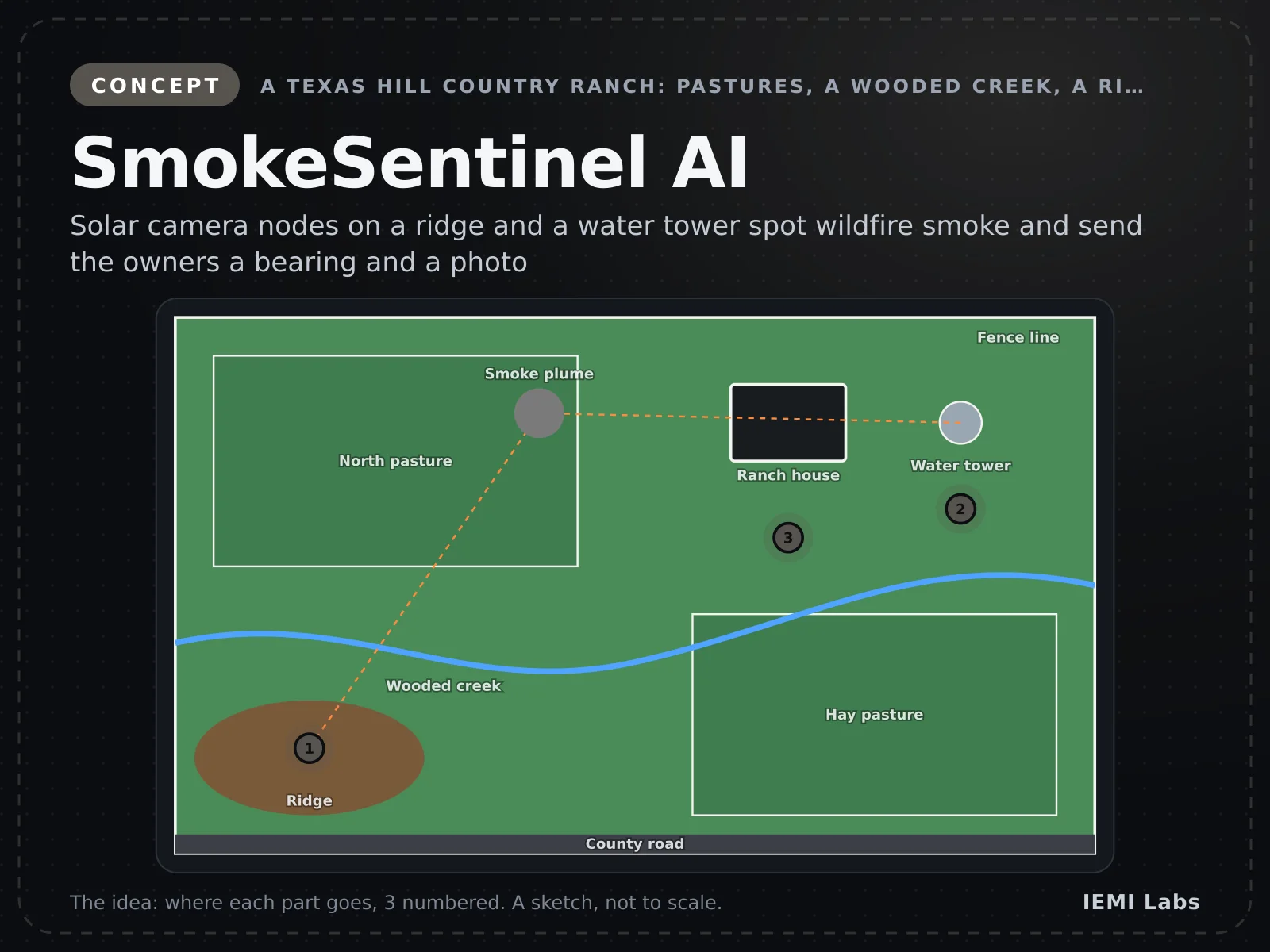
A solar-powered four-camera head on a mast that watches the horizon for wildfire smoke.
- Scans 360° every minute
- Detects smoke plumes on-device
- Alerts over LTE or satellite
From $4,900 per node incl. solar kit
DetailsIEMI's one product for a farm's water point: the stock trough itself, made smart
Software: $9 per month per trough (app and LTE-M)
Concept, not for sale yet. Tell us if you want it; that decides what we build.
Rate this idea and tell us what to change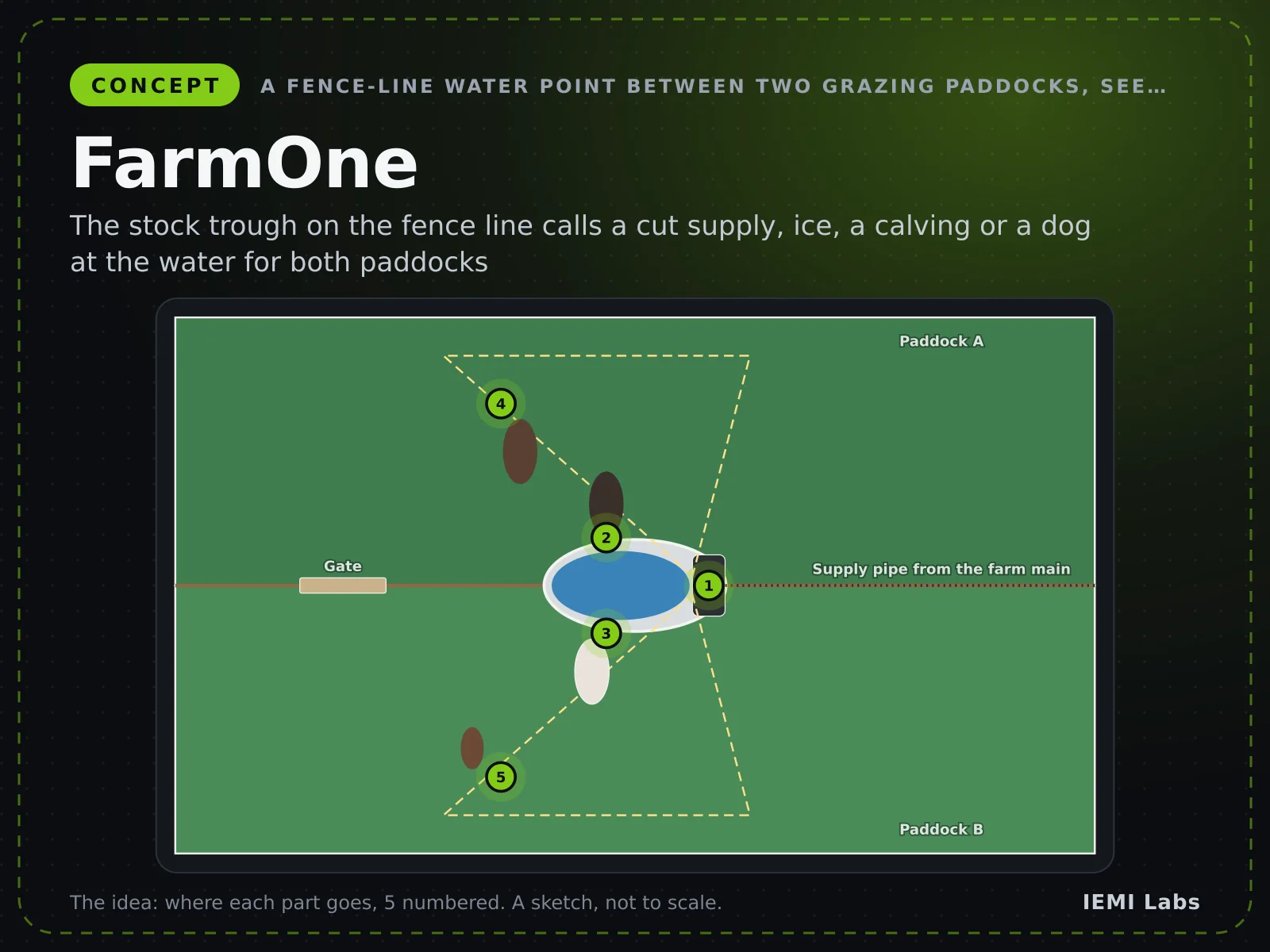
Drag to rotate · right-drag to move · scroll to zoom · click a part for its size and placeSwipe to rotate · pinch to zoom · two fingers to move · tap a part for its size
How it fits together
Scroll or tap a part. Press “See the 3D CAD design” to watch the model, built from our CAD, light each part up and show how it connects.
Real-time 3D render · drag to rotate · final design may varySwipe sideways to rotate
01
The whole FarmOne
The stock trough runs the water point: a water meter on the inlet riser and a float sensor in the valve cover tell a cut supply from a stuck float or a leak, a probe and two heat cameras see ice, two cameras count every visit from both paddocks and watch for a calving, a beast down or a dog, and the brain in the cover turns that into calls on the trough's own lights and one app over LTE-M, all on solar.
02Brain
Raspberry Pi Zero 2 W (flat in the trough's valve cover, woken by the Walter board when stock come to the water)
The brain: it runs the farmone-fw program
03
Water cameras (one per paddock)
Behind the cover's water-side face, yawed 30 degrees to each side: cattle at the rim, the water surface, and out across that paddock
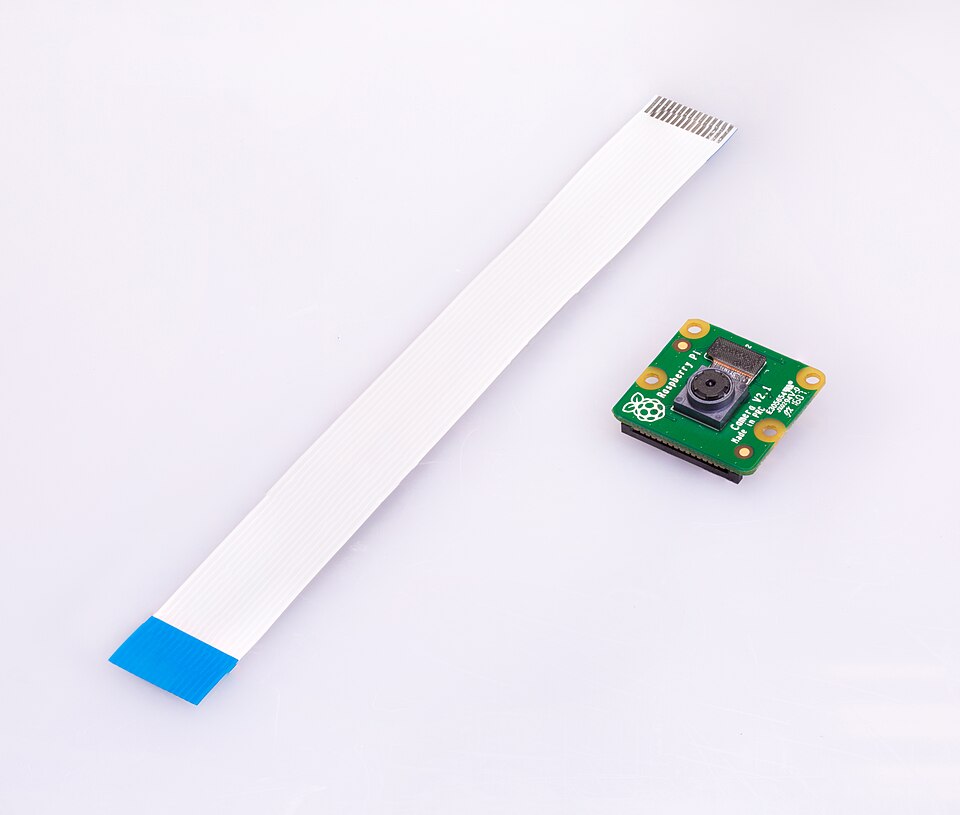
Raspberry Pi Zero 2 W (flat in the trough's valve cover, woken by the Walter board when stock come to the water) · CSI-2 ribbon (one at a time through a 2-way camera switch, 150 mm, inside the cover) · Frames while stock are at the water; 10 s clips around calls
04
Heat cameras (one per paddock)
Next to each camera: ice on the water, a cow lying out at night, a fox or dog in the dark, a hot head at the rim
Raspberry Pi Zero 2 W (flat in the trough's valve cover, woken by the Walter board when stock come to the water) · I²C (to the Walter board, which wakes the brain) · 32 x 24 heat frames at 0.5 Hz, day and night
05
Water meter, float sensor and water probe
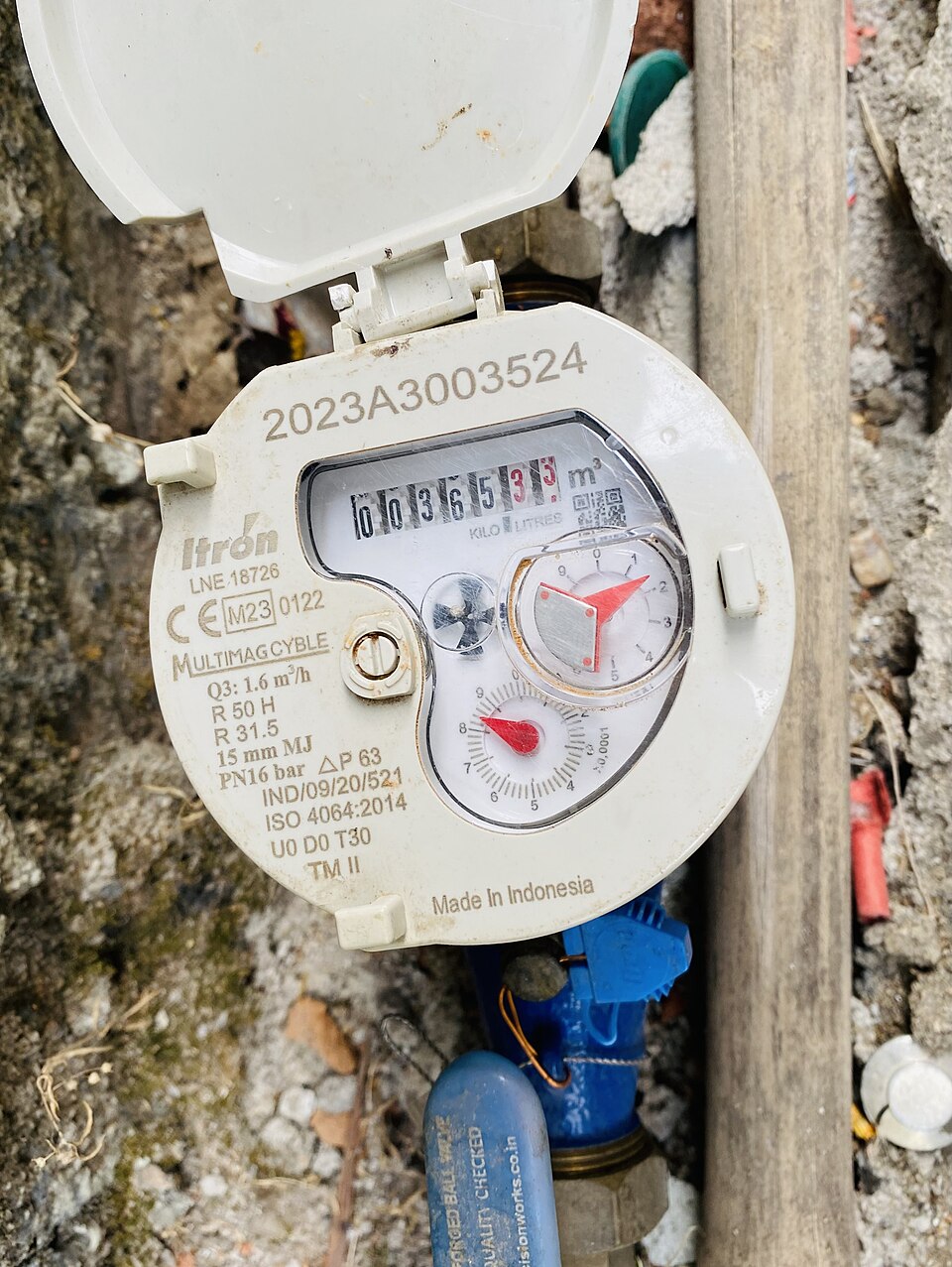
The meter counts every litre in; the time-of-flight sensor reads the float's height; the probe reads the water temperature
Raspberry Pi Zero 2 W (flat in the trough's valve cover, woken by the Walter board when stock come to the water) · GPIO pulse (meter) + I²C (float) + 1-Wire (probe), all to the Walter board · Litres per minute, float height every minute, water °C every 5 min
06
Air sensor and mic
Air temperature and humidity behind the end vents (frost, dew point, heat-stress index); the mic hears calving bellows and distress calls
Raspberry Pi Zero 2 W (flat in the trough's valve cover, woken by the Walter board when stock come to the water) · I²C (SHT45) + analog to the Walter ADC (mic) · Air every 5 min; sound level and short clips when stock are near
07
Call lights, tone and secure element
Red, amber, blue or white on the call light facing each paddock with a tone; every call signed; the tamper switch marks the log if the cover is lifted
Raspberry Pi Zero 2 W (flat in the trough's valve cover, woken by the Walter board when stock come to the water) · One data wire (lights) + GPIO (tone, tamper) + I²C (secure element) · Light colour and flash, tone, signatures, tamper flag
08
Solar, cells and LTE-M
The 6 W panel flush in the cover top charges four cells; the Walter board stays awake on little power, reads the water sensors, wakes the brain and sends every call over LTE-M with its GNSS position
Raspberry Pi Zero 2 W (flat in the trough's valve cover, woken by the Walter board when stock come to the water) · 5 V rail + UART to the brain · About 10.8 Wh a day (est.); calls, the hourly log and the trough's position over LTE-M
09
All connected
7 key parts, one program, and your phone
Our circuit board · rev A-0
Every chip on one board we design, shaped to fit: the processor, cameras and sensors, Wi-Fi and Bluetooth, lights, sound and power. No plugs, ribbons or adapters. It is checked in our CAD against every part around it, and it arrives from the maker ready to run our software from a microSD card. Turn the model, or pick a part below to see where it sits.
Loading the 3D board…
Drag to turn · scroll to zoom · right-drag to move · click a partDrag to turn · tap a part
Every board-level number FarmOne's jobs depend on, checked against its target: camera pixels and frame rate, power and battery life, heat where it works, shock, radio and software. Every lesson from every one of our boards is a rule here, so this review runs again whenever any board teaches us something. Boards are ordered only when nothing fails and the items to prove are measured.
| Area | Check | Our board | Target | Status |
|---|---|---|---|---|
| Camera | Paddock camera (one each side): a fox or dog (0.3 m tall) crossing the paddock at 7.4 m | 87.4 px | ≥ 20 px | passes |
| Camera | Paddock camera (one each side): smear at 29 km/h, 4 ms exposure | 32 mm | ≤ 1/3 of the fox (100 mm) | passes |
| Camera | Paddock camera (one each side): frame rate the calls need | 5 fps at 3840 × 2160 | chip: 30 fps at 3840 × 2160 | passes |
| Camera | Paddock camera (one each side): data rate vs its 4-lane link | 0.41 Gbps (10-bit) | ≤ 80 % of 3.564 Gbps | passes |
| Camera | Paddock camera (one each side): a calf (0.4 m) on the ground 3 m out at 3.2 m | 269.3 px | ≥ 30 px | passes |
| Camera | Paddock camera (one each side): frame rate the calls need | 5 fps at 3840 × 2160 | chip: 30 fps at 3840 × 2160 | passes |
| Camera | Paddock camera (one each side): data rate vs its 4-lane link | 0.41 Gbps (10-bit) | ≤ 80 % of 3.564 Gbps | passes |
| Camera | Heat camera (one each side): a cow lying out at night (1.5 m long) at 2.8 m | 8.7 px | ≥ 4 px | passes |
| Camera | Heat camera, close: a cow's head (0.5 m) at the rim at 0.8 m | 10.1 px | ≥ 3 px | passes |
| Camera | Image processor load, all cameras | 83 Mpx/s | ≤ 360 Mpx/s (RV1126B ISP) | passes |
| Camera | AI engine time per frame | 3 TOPS | animal and pose model on one camera at 5 fps inside 200 ms a frame, while stock are at the water | to prove on the dev kit |
| Battery | Run time, 4 cells, worst case (aged to 80 %, 5 °C) | 65.7 h | ≥ 48 h | passes |
| Battery | Run time, 4 cells, new, 20 °C | 93.3 h | ≥ 48 h | passes |
| Battery | Spare run time, worst case | 37 % over 48 h | ≥ 20 % (the draw is an estimate until rev A) | passes |
| Battery | Charge time | 15.4 h from flat at 1 A; 9 h overnight puts back 100 % of a day | a full day back overnight (9 h) | passes |
| Battery | Peak current from the cells | 1.47 A at 2.65 V | ≤ 32 A (4 × 8 A) | passes |
| Battery | Each pack has its own protector | 1 protector (U53) for 1 charger | short, over-current and over-discharge cut-off on every pack | passes |
| Battery | Charging held outside the cells' temperature range | thermistor on the pack, read by the charger | 0–45 °C | passes |
| Heat | RV1126B temperature, full summer sun, 40 °C air | 64 °C | ≤ 85 °C (rated) | passes |
| Heat | Cell temperature, full summer sun, 40 °C air | 50 °C | ≤ 60 °C | passes |
| Shock | Shock and vibration | 200 g (est.) | standard parts | passes |
| Software | Starts our software from the microSD card, no setup | microSD socket with a hinged, latched lid (Amphenol 101-00660 class), fitted on every board: our software starts from the card | card socket fitted on every board, latched | passes |
| Software | Card power switch and protection | 1 power switch and 1 ESD array for 1 card socket | every socket: switched card supply, ESD on all 6 lines | fixed by the review |
| Software | The card wins the start | eMMC shipped empty; our loader reads the card first | the processor starts from the card every time | fixed by the review |
| Software | Card grade | industrial pSLC microSD (Kingston Industrial or Swissbit S-56u), −40 to 85 °C | rated for the heat, cold and writes | to prove on the dev kit |
| Software | Clip buffer for an unsure call | 9.9 s of 8-bit 5 fps video in 40 % of the 1 GB memory | ≥ 3 s | passes |
| Radio | LTE-M to the farmer, anywhere on the farm | chip antenna at the main wing's +x edge under the HDPE cover, no metal over it | certified BG95-M3; calls and clips reach the farmer off-site | passes |
| Radio | GNSS | 25 × 25 patch facing up through the cover top, beside the solar panel | location fix for the trough map and theft tracking | passes |
| Radio | BLE to the phone at the trough | ESP32-S3 module antenna at the +y edge | setup and the call list at the trough | passes |
| Moisture | Conformal coating | coated | coated, sensors, sockets and antennas masked | passes |
| Fit | Board inside the product CAD, every part checked in 3D | not yet in the product CAD | nothing touches | to prove on the dev kit |
| Camera | Every water-point call in its sensor's view | cameras worst 37.1° across, 10.8° up or down; heat chips worst 21.3° across, 6.6° up or down | inside ±51° × ±33.5° (camera) and ±55° × ±37.5° (heat) | passes |
| Camera | Camera and heat windows (lesson: window) | camA needs 21.7 × 15.4; heatA needs 21.4 × 15.9; camB needs 21.7 × 15.4; heatB needs 21.4 × 15.9 | 25 × 18 windows (CAD rev T) | fixed by the review |
| Sensors | Float-height chip through the floor window | the 27° cone needs r 4.01 at the floor's lower face | Ø10 window (r 5) | passes |
| Fit | Tamper switch through the floor | D2F-01 on side A; a 5.5 mm pin on the bay partition top presses it through the Ø4 hole | pressed while the cover sits on the trough, released when it is lifted | to prove on the dev kit |
| Fit | Flex arms and the bridge | bridge 112 mm on the floor between the face and the inlet riser; tab arms 76 and 70 mm; lamp strips 204 mm; end strip 154 mm (est.) | routed and held in the rev T CAD; the paddock B camera's 4 lanes cross the bridge | to prove on the dev kit |
| Sound | Call tone out of the cover | Ø12 piezo 100 mm under the three Ø2 tone holes, in the sealed cavity | heard 30 m away across a paddock | to prove on the dev kit |
Before we order the first boards, we prove these on the RV1126B development kit or in the rev A tests:
Demo · 7 real-world moments
Short animated scenes of real moments: what happens today, what FarmOne does about it, and what lands on your phone. The same scenes play in the IEMI app.
Friday 06:40. The farmer is away at market overnight and the mob in paddock A comes in to drink at dawn.
Use cases
A broken main or a closed valve is found on the next water run, after a hot day with no water.
The trough's pulse meter sees no inflow while the float height falls 4 cm as the mob drinks. Twelve minutes later it calls the supply cut: both call lights red, a tone, and an SMS over LTE-M.
Water runs over the rim into the gateway for days; the pump bill or a mud bath round the trough finds it first.
The meter says 18 L/min is coming in while the float height says the trough is full. That is a call: both call lights amber, and an app task with the litres lost.
The farmer breaks the ice with a bar on the morning run, if they get there before the stock do.
The water probe and the heat cameras watch the surface. At 05:10 the water is 0.6 °C and ice is forming: the call lights go blue and an SMS goes out before the stock arrive.
Nobody notices a mob that has stopped drinking until the evening check, or until it is found on the road.
The water cameras count visits on each side and the meter counts litres. Zero visits on side B since 06:00, against a usual 30 by 10:00, turns side B's call light amber.
The farmer checks the heifers at 22:00 and again at 02:00; a calving stuck in between can cost the calf.
The heat and water cameras see her lying out, tail up and straining: stage 2 starts the clock. At 60 minutes with no calf, the trough rings the bell by the farmer's bed with the clip. Whether to help stays the farmer's call.
A dog worrying stock at night is found in the morning, as injured calves or a mob through a fence.
The heat cameras see the dog at the water in under 5 s. Both call lights flash and a tone sounds; a person at night would only be reported, never flashed or sirened.
Heat stress shows up later as lost weight gain or a down cow; nobody has a reading at the water.
The air sensor in the trough works out the heat-stress index at the water point: THI 76 at 15:00, over the 72 line. The call lights go amber and the farmer gets the push, with intake up 40 % on yesterday.
Demo scenes show how FarmOne and its app are designed to behave. FarmOne is in design; nothing here is recorded from real equipment yet.
What it is
IEMI's one product for a farm's water point: the stock trough itself, made smart, with one brain and one app.
What it does
Who it's for
Beef, dairy-youngstock, sheep and mixed farms.
The idea
The problem today
Graziers drive round every trough each day because a cut pipe or a stuck float can leave a mob without water within hours, and they find a calving in trouble, a cast animal or a dog among the stock only when they happen to look. Today that takes a trough monitor ($749 and up), a separate flow sensor, a calving camera, a gateway and a weather station, each with its own app.
With FarmOne
Every paddock already has a trough. FarmOne puts the brain, two cameras, two heat cameras, the water meter, a float sensor, the probe, LTE-M and solar inside the trough's own valve cover, so the trough calls the water, ice, stock not drinking, a calving, a dog at the water, fouled water, frost and heat for both paddocks on its own lights and in one app.
How the parts connect
Every part, what links it to the brain, and how the data reaches your phone. A solid line is a cable; a dashed line is a radio link.
The program
while True:
    flow, fl = meter.litres(), tof.height()
    calls = water_rule(flow, fl, log)
    for side in (A, B):
        h = mlx[side].frame()
        calls += ice_rule(h, probe.c()) + night_rule(h)
        if warm_body(h):
            pi.wake(); calls += pi.vision(side)  # visits, down, calving, dog
    if due(300): calls += weather_rule(sht.read())
    for c in calls:
        if c.conf < c.line: c.kind = 'check'   # never guess
        atecc.sign(c); lights.show(c); lte.send(c)
    sleep_until_next_frame()
To your phone
The farmer's and the stockman's phones, a tablet in the kitchen, and a read-only QR page for the vet or the auditor (Android, iPhone, web)
One screen for each job FarmOne does.
Nobody on the farm modeThe farmer is at the market overnight. The trough keeps watch: it flags a dog at the water at 02:31, sees the surface start to freeze at 05:10, and texts that paddock B's supply is cut before the mob drinks it dry.
Water and iceBefore driving the water run, the farmer opens the app: every litre in, the float height and the water temperature, and one stuck float on the yard trough flagged with the litres lost.
Visits and intakeMid-morning, paddock B has had no visits since 06:00 while paddock A drinks as usual. The farmer finds the gate on B open and the mob in the lane.
Calving and animals21:42: a heifer calving near the water in paddock B. The trough starts the stage 2 clock and rings the bell by the farmer's bed at 60 minutes with no calf.
Dogs, frost and heatA hot afternoon: the trough's air sensor puts the heat-stress index at 76 and the farmer moves the mob to shade. At night it flashes off a fox at the calves' side of the water.
App screens with sample data. The interface is in development.
| Water | Inflow 0 L/min, level falling 4 cm since 06:40: supply cut | Live |
|---|---|---|
| Ice and water temperature | Water 0.6 °C, surface frozen at 05:10 | Every 5 min |
| Visits and intake | Paddock A 42 visits, 1,960 L; paddock B 0 visits since 06:00 | Hourly |
| Calving and animals | Stage 2 started 21:42, side B; heifer lying out 50 m | Live |
| Predators and people | Dog at the water 02:31, lights and tone; it left | Live |
| Frost and heat | Dew point -1 °C, frost likely by 04:00; THI 76 at 15:00 | Every 5 min |
People are never identified, only counted for the after-dark call. Clips around calls are kept 30 days in the farm's own account; a notice label sits on the cover.
CAD design · Design rev A, 28 Oct 2026: smart stock trough that runs the water point (9 calls, 7 alone, 2 assist), call lights, tone, ATECC608 and tamper switch inside the valve cover; 21 camera and sensor views checked in the CAD; not built
| AI processor | One board of our own inside the valve cover: Rockchip RV1126B processor with 1 GB memory, woken by an always-on ESP32-S3 when stock come to the water. The bench trough uses a Raspberry Pi Zero 2 W and a Walter board until the boards arrive |
|---|---|
| Sensors | Two Sony IMX415 8 MP camera chips behind the water-side face, one turned 30° out to each paddock (102° lenses) · Two Melexis MLX90640 heat-camera chips beside them (night calving, a fox in the dark, ice) · ST VL53L1X float-height chip over the float, Sensirion SHT45 air chip and an Infineon IM69D130 mic on the end face; the DAE AS200U-75P water meter and a DS18B20 water probe wired to solder pads · 16 call-light LEDs under the top, a sounder, a security chip and a tamper switch |
| Connectivity | LTE-M (Quectel BG95-M3 on our board, soldered eSIM), MQTT over TLS, no gateway · GNSS position and theft alarm · BLE for pairing |
| Power | Voltaic 6 W panel flush in the cover top, through a solar charger on our board into four soldered 18650 cells: about 11 Wh a day, about 66 hours (two days of cloud) on aged, cold cells (est., board design review) |
| Enclosure | The trough's own rotomoulded valve cover, sealed, with flush windows |
| Dimensions | 1,610 x 1,180 x 840 mm trough, 600 L; cover 120 mm over the rim, inside the trough outline |
| Weight | About +2.4 kg over a plain cover (est.) |
| Ingress rating | IP67 target |
| Water | Supply cut, stuck float, leak, ice |
|---|---|
| Stock | Visits and litres per paddock |
| Animals | Calving clock, down or lame, dogs |
| Weather | Frost and heat-stress index |
| Size | 1,610 x 1,180 x 840 mm, 600 L; cover 120 mm over the rim |
|---|---|
| Power | 6 W solar + 4 x 18650 (about 50 Wh) |
| Use | About 10.8 Wh a day (est.) |
| No sun | About 4 days of cloud (est.) |
| Water supply | Float valve and AA/AB air gap kept (BS 3445) |
|---|---|
| Welfare | Fresh, clean, unfrozen water every day |
| Size | Same 600 L trough, no overhang |
| Privacy | People counted, never identified |
Targets for production units; they may change during development.
Hardware: $1,490 per trough (replaces the trough)
Software: $9 per month per trough (app and LTE-M)
Target pricing. Bought separately per water point: TroughTally with WinterWatch ($298 + $36/year) and its gateway ($249), a CalveClock hub, PenEye and bell ($627 + $99/season) and a plain 600 L trough (about $420, £318 ex VAT): about $1,594 + $135/year (est.).
$1,490 + $9/month
Every water point job in the trough itself.
Indicative launch pricing in USD, excluding taxes and shipping. Final pricing is confirmed before any balance is charged.
Community
FarmOne is in development. Rate the idea, tell us what to change about the features, specs or price, and we'll build it with your feedback.
How much people want it
–
No ratings yet
Follow FarmOne
Get build updates and first access when pre-orders open.
No comments yet. Tell us what you'd want from FarmOne.
Questions
Tell us what this would save you, or ask anything. We reply within two business days.
A member of the IEMI Labs team will reply within two business days.
From the product lab · ideation phase
Smart equipment · legal on the field
It replaces the farm's plain 600 L trough at the same water point (for example a JFC DT600FF), on the same base and the same 25 mm supply; the float valve, its air gap and the farm's water main stay, with every part built in. Everything inside the trough's own valve cover: brain, two cameras, two heat cameras, the water meter, float sensor, probe, air sensor, mic, LTE-M and GNSS, call lights, tone, secure element, tamper switch, the 6 W panel flush in the top and four cells. The cover stays 120 mm tall, inside the trough outline. About +2.4 kg over a plain cover (est.); no mast, pole camera, gateway or separate meter box.
| Rule | Limit | FarmOne |
|---|---|---|
| Trough inlet through a float-operated valve with a type AA or AB air gap (fluid category 5) | air gap kept between the valve outlet and the highest water level; no submerged inlet | ✓ the trough's own float valve and its air gap stay as they are; the water meter sits upstream on the inlet riser inside the cover, above the trough rim, and nothing of ours touches the water except the sealed temperature probe |
| Inlet protected from damage (Guidance Note 9) | valve and inlet covered or guarded | ✓ the same moulded valve cover over the bay, now 4 mm sealed shell with the meter inside it; bolted to the rim as the plain cover |
| Trough to BS 3445 (fixed agricultural water troughs and fittings) | the plain trough's body, capacity and fittings | ✓ the same 600 L rotomoulded body and bay; only the cover changes (est.: BS 3445 test of the cover in the first build) |
| Adequate fresh drinking water every day (Welfare of Farmed Animals (England) Regulations 2007, schedule 1) | a daily supply of fresh water for every animal | ✓ the trough still fills exactly as before; FarmOne adds the calls that the water is cut, fouled or freezing, and how many animals drank |
| Troughs protected from fouling and freezing, ground well drained (cattle welfare code, Scotland) | placed and kept so water stays clean and unfrozen | ✓ fouling and ice are calls; the cover is sealed so nothing of ours falls into the water |
| Same size and installation as the plain trough | 1,610 x 1,180 x 840 mm (JFC DT600FF) | ✓ 1,610 x 1,180 x 840 mm, the cover inside the trough's own outline and no more than 120 mm over the rim, checked in the CAD |
| No sharp edges or projections where stock drink (welfare codes) | smooth, rounded edges | ✓ the cover follows the trough's outline with no overhang (CAD check); windows are flush discs; no exposed cable or antenna |
| Electrical safety | no mains near livestock water | ✓ solar only: a 6 V panel and 3.6 V cells (SELV), nothing on mains, sealed IP67 target |
| Cameras that may see staff or the public (UK GDPR, ICO video surveillance guidance) | notice, stated purpose, data minimised | ✓ notice label on the cover; people are never identified (counted only for the intruder call); clips around calls only, 30 days |
| Radio (FCC Part 15 / UK and EU RED, carrier certification) | certified modules | ✓ LTE-M on the certified Walter module; the Pi Zero 2 W's Wi-Fi off in the field, BLE only for pairing |
Grazing, beef, dairy-youngstock, sheep and mixed farms, yards and calving pens. No governing body sanctions a water trough; FarmOne monitors and alerts, never diagnoses an animal, and never opens or shuts the water.
One piece of equipment does
Not done by the equipment, and why
Makes the call itself
With nobody on the farm (nights, weekends, a farmer away at market), the trough runs the water point: it calls the supply cut, a float stuck open or a leak, ice, stock not coming to water, a predator or dog at the stock, fouled water, frost and heat stress, and times a calving at the water point or in the pen. An animal down or lame goes to the farmer with the clip to judge; it never diagnoses.
| Call | Who decides | How it sees it | How players see the call · if unsure |
|---|---|---|---|
| Water supply cut1-20 min after the herd starts drinking (est., TroughTally model) · about 98 % (est.) | The equipment | pulse water meter, VL53L1X float height; level falling with no inflow while stock drink | Both call lights red, a tone, SMS over LTE-M. Meter and float disagree: 'check' with a still of the trough |
| Float stuck open, leak or overflow< 30 min (est.) · about 95 % (est.) | The equipment | pulse water meter, float height, water camera; inflow with the float up (stuck open), level falling with no drinking (leak) | Call lights amber, app task with litres lost. Under 80 % confidence: 'check' with the flow curve |
| Ice on the water< 10 min · about 95 % (est.) | The equipment | DS18B20 water probe, heat cameras, water camera; water near 0 °C with a flat cold surface in the heat picture | Call lights blue, SMS before stock arrive at dawn. Probe and heat picture disagree: 'check' |
| Stock not coming to waterby mid-morning (est.) · about 90 % (est.) | The equipment | water cameras, meter; visits and litres per paddock against the learned day and the weather | Call light amber on that side, app note 'paddock B: no visits since 06:00'. A paddock with no stock on the app roster is skipped |
| Animal down or lame near the water< 5 min · about 75 % (est.) | Helps the official | water cameras, heat cameras; pose and gait detector (int8) | App alert with the clip. Always sent to the farmer with the clip; never a diagnosis |
| Calving clockstage 2 timed from the first sign; alert past the farmer's limit (default 60 min, est.) · about 85 % at the water point and in a pen (est.) | The equipment | water cameras, heat cameras, mic; restless and tail-up, stage 2 start, calf out, calf not moving (CalveClock model) | App bell by the bed; call light white on that side. Cow out of view: 'check' with the last clip |
| Predator or dog at the stock water, or a person after dark< 5 s · about 90 % (est.) | The equipment | heat cameras, water cameras; animal and person class on the heat and camera frames; people only counted | Call lights flash and a tone for a dog or fox; a person is never flashed or sirened, only reported. Under 85 % confidence: clip to the farmer, no flash |
| Water fouled: carcass, dung or algae< 1 h · about 80 % (est.) | Helps the official | water cameras; floating-object and colour change on the water surface | App task with the photo. Always a photo to the farmer to confirm |
| Frost and heat stress at the water point< 5 min · SHT45 ±0.1 °C (datasheet) | The equipment | SHT45 air temperature and humidity, water probe; dew point and frost forecast; temperature-humidity index (THI) bands | App and SMS; call lights amber at THI over 72 (est.). Sensor out of range: 'check sensor' |
Nothing added to the field
The only things in play are the items the laws already put there:
The float valve, the farm's water main, the fence and the gate stay as they are; no mast, pole camera, gateway, meter box or ear tag is added
Built to take the hits
Secure by design
A trough monitor such as Farmbot or Ranchbot Trough Direct reads the water level only, so a cut pipe shows up when the trough is already low, and a calving sensor such as Moocall goes on one cow's tail. FarmOne meters the water coming in, so it tells a cut supply from a stuck float within minutes, and its cameras see ice, both paddocks' stock, a calving and a dog at the water, from the trough the farm already has, in one app.
$1,490 per trough plus $9 a month for the app and LTE-M (target), and that includes the 600 L trough itself (a plain one is about £318 ex VAT). A trough plus a trough monitor (about A$749 or $489 at its US launch, plus a plan) and one calving sensor ($329 plus $150 a year) is about $1,240 plus plans; our own separate products came to about $1,594 + $135 a year.
Rev A is the whole trough, because the cover is shaped for the 600 L oval trough and its float bay. A retrofit cover for troughs farms already own is one of the questions we are taking to farmers in phase 3.
TroughTally (water and ice), CalvingPen and CalveClock (calving): their jobs now come from the trough itself. FarmMast, FrostMast, TrapTop, PestTrap, RaidPost, FieldEdge, EndGauge and FanLamp stay listed, because their jobs are in the orchard, the crop, the pivot or the sprayer, which a trough cannot see.
No. The float valve and its air gap stay exactly as they are. FarmOne only measures the water coming in and the float height; it never opens or shuts the water.
No. It monitors and alerts: an animal down or lame near the water is sent to you with the clip to judge. It never diagnoses.
Calls are stored in the trough and sent as soon as LTE-M coverage returns, and the trough's own lights still show them at the water.
People are never identified. They are only counted for the after-dark call, clips around calls are kept 30 days, and a notice label sits on the cover.
A solar-powered four-camera head on a mast that watches the horizon for wildfire smoke.
From $4,900 per node incl. solar kit
Details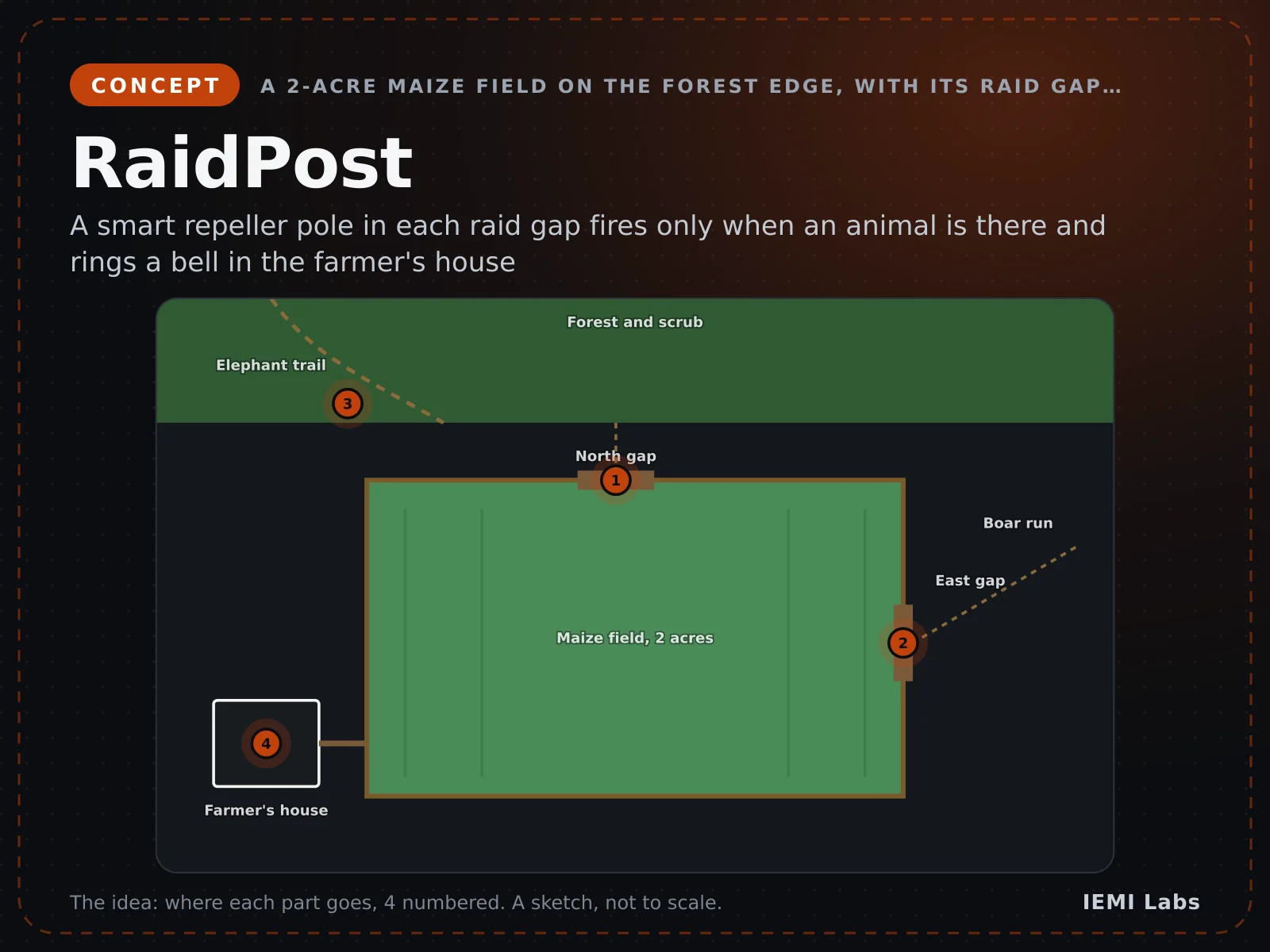
A solar pole head with a camera, strobe and siren, plus a bell for the house.
From $145 per post
Details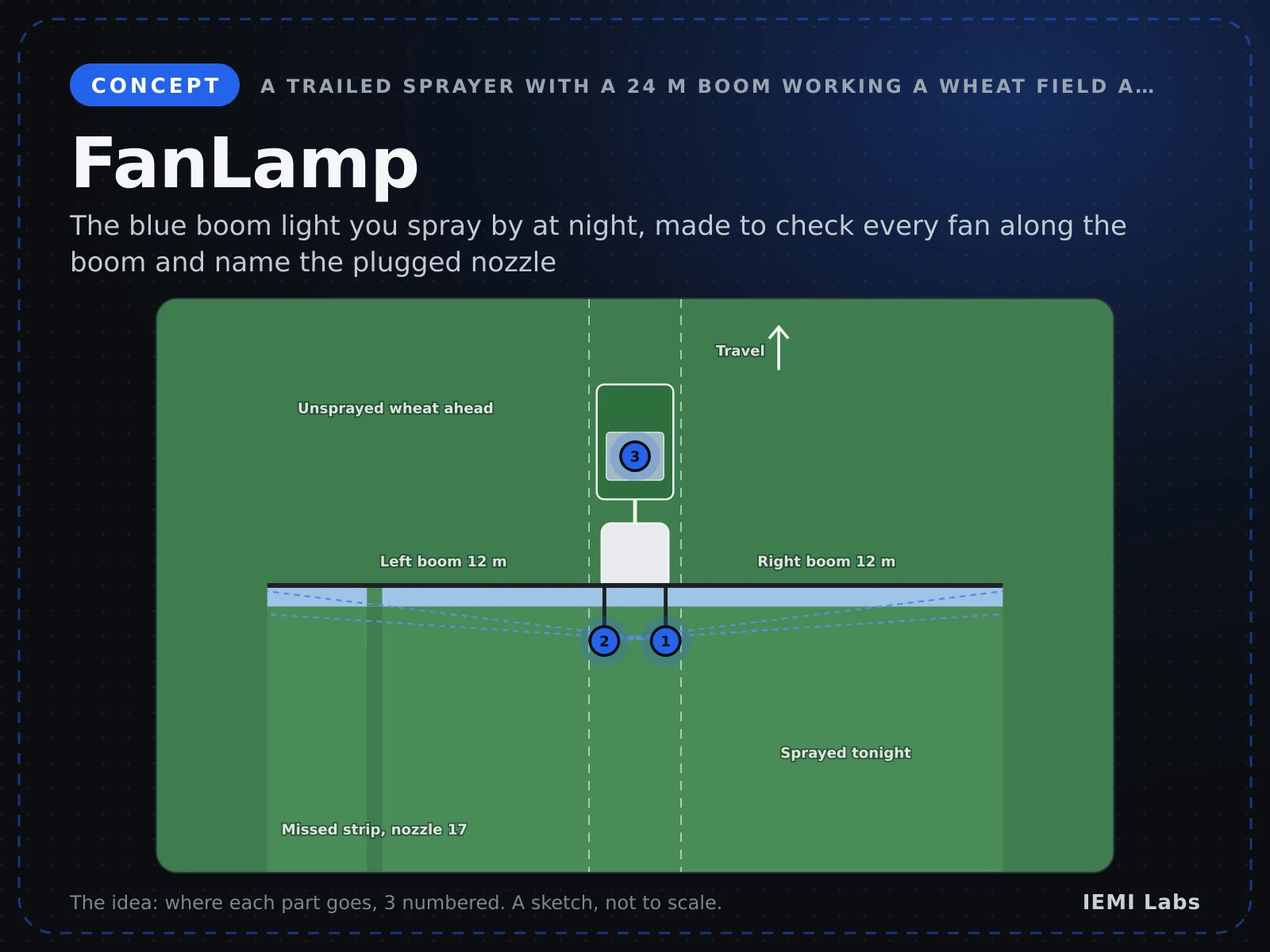
A blue LED sprayer boom light with a camera that checks every spray fan and names any plugged nozzle.
From $249 per lamp; $449 for a 24 m pair
DetailsFarmOne
Concept · target $1,490