SensingConcept
ColdChain Guard AI
A lunchbox-sized monitor that mounts inside trucks, cold rooms and fridges.
- Watches temperature around the clock
- Warns before goods get too warm
- Detects door openings and tampering
From $199 per kit
DetailsWasher and dryer uptime, coin checks and a live free-now page
Software: $39 per store per month (target)
Concept, not for sale yet. Tell us if you want it; that decides what we build.
Rate this idea and tell us what to change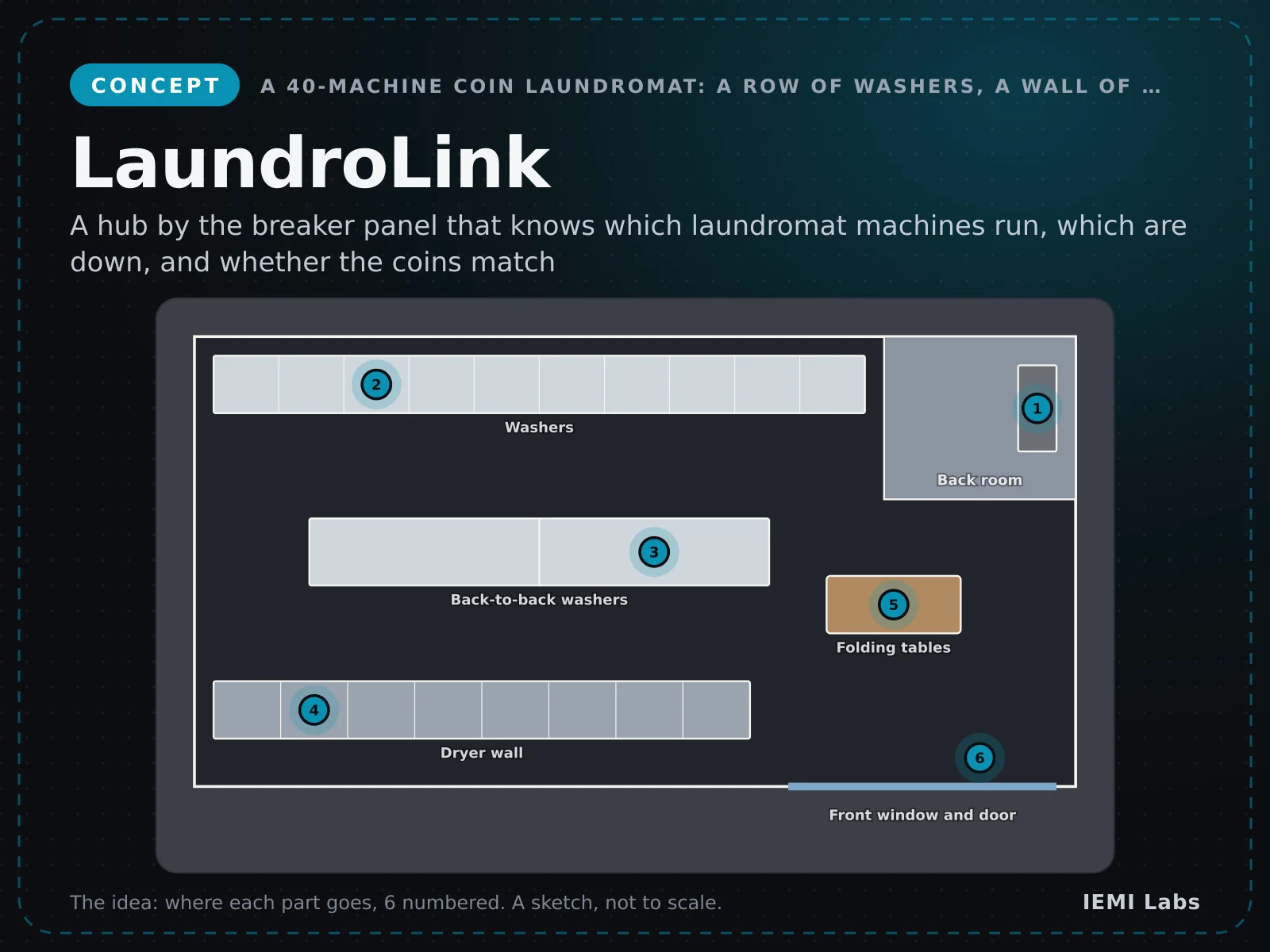
Drag to rotate · right-drag to move · scroll to zoom · click a part for its size and placeSwipe to rotate · pinch to zoom · two fingers to move · tap a part for its size
How it fits together
Scroll or tap a part. Press “See the 3D CAD design” to watch the model, built from our CAD, light each part up and show how it connects.
Real-time 3D render · drag to rotate · final design may varySwipe sideways to rotate
01
The whole LaundroLink
Clamps on each machine's power wire show when it runs. The hub sends start and stop events so owners and customers see what is free.
02Brain
ESP32-C6-WROOM-1 hub
The brain: it runs the ll-hub firmware program
03
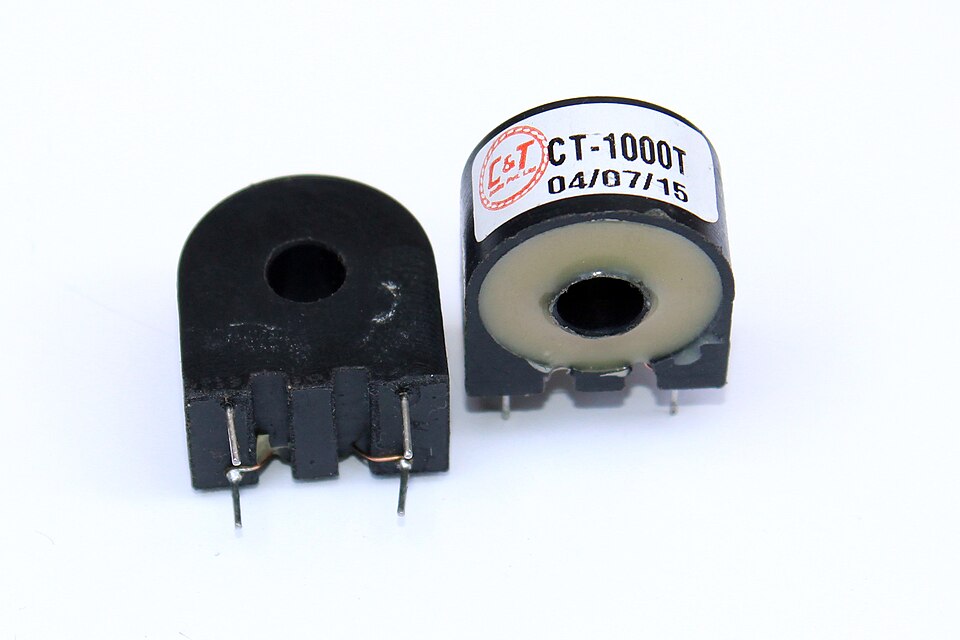
Split-core current clamp
Clips round a machine's live wire and reads its current
ESP32-C6-WROOM-1 hub · 3.5 mm jack lead · 0–1 V current signal
04
ADS131M08 ADC
Samples 8 clamps at the same instant, 24-bit
ESP32-C6-WROOM-1 hub · SPI, 8 MHz · 4 kSPS current samples
05
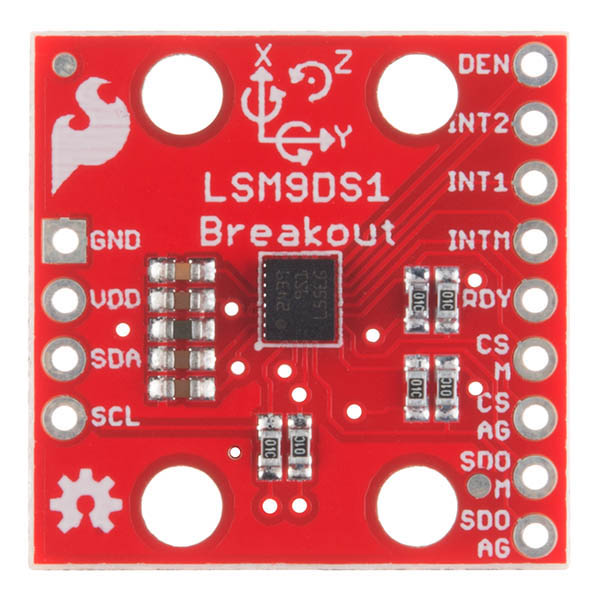
Vibration puck IMU
Magnet-mounted pilot that senses a running machine by shaking
ESP32-C6-WROOM-1 hub · I²C (STEMMA QT) · Acceleration at 208 Hz
06
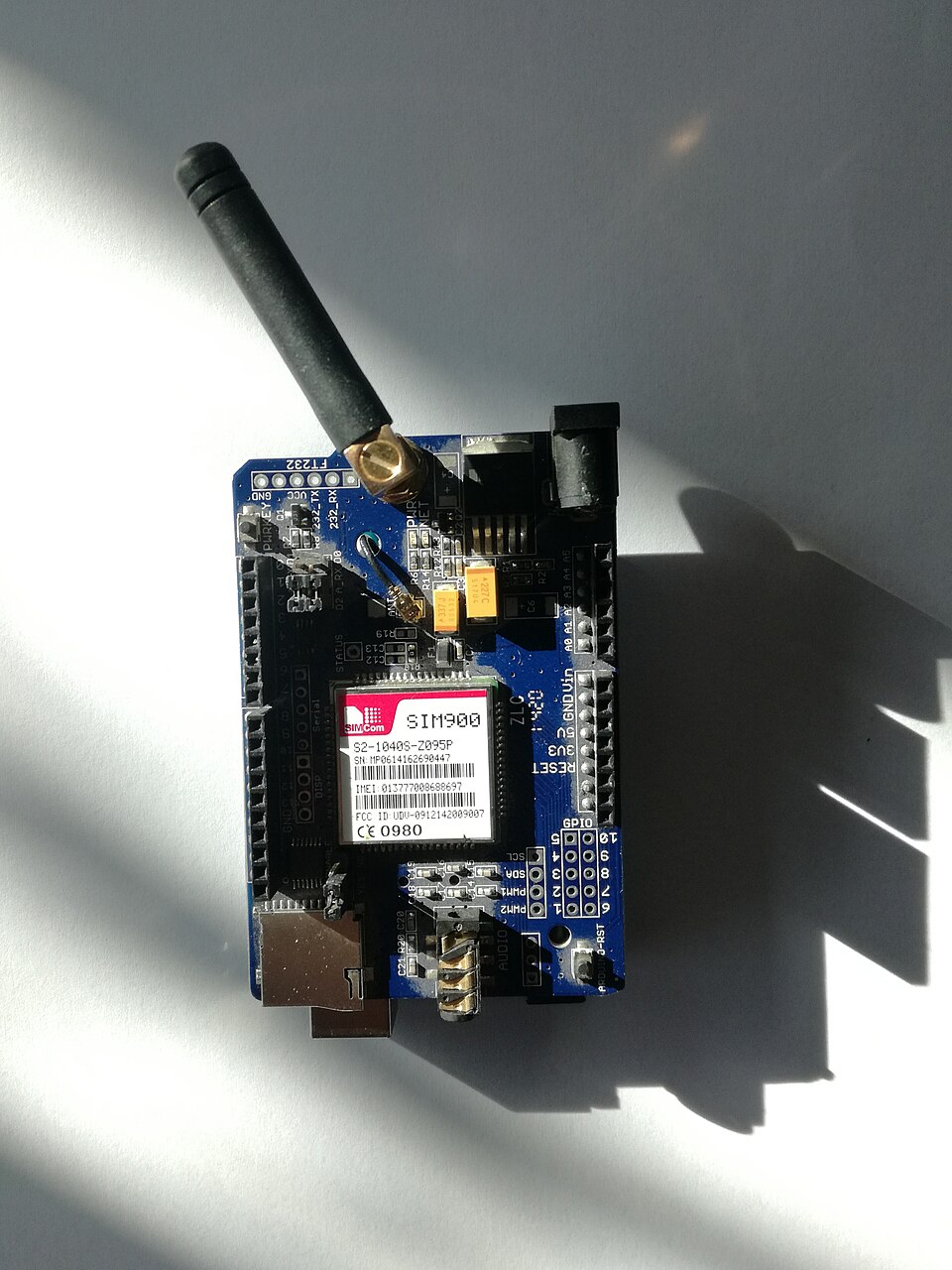
LTE-M modem
Backup link when store Wi-Fi drops
ESP32-C6-WROOM-1 hub · UART (1.8 V shifted) · AT commands and MQTT
07
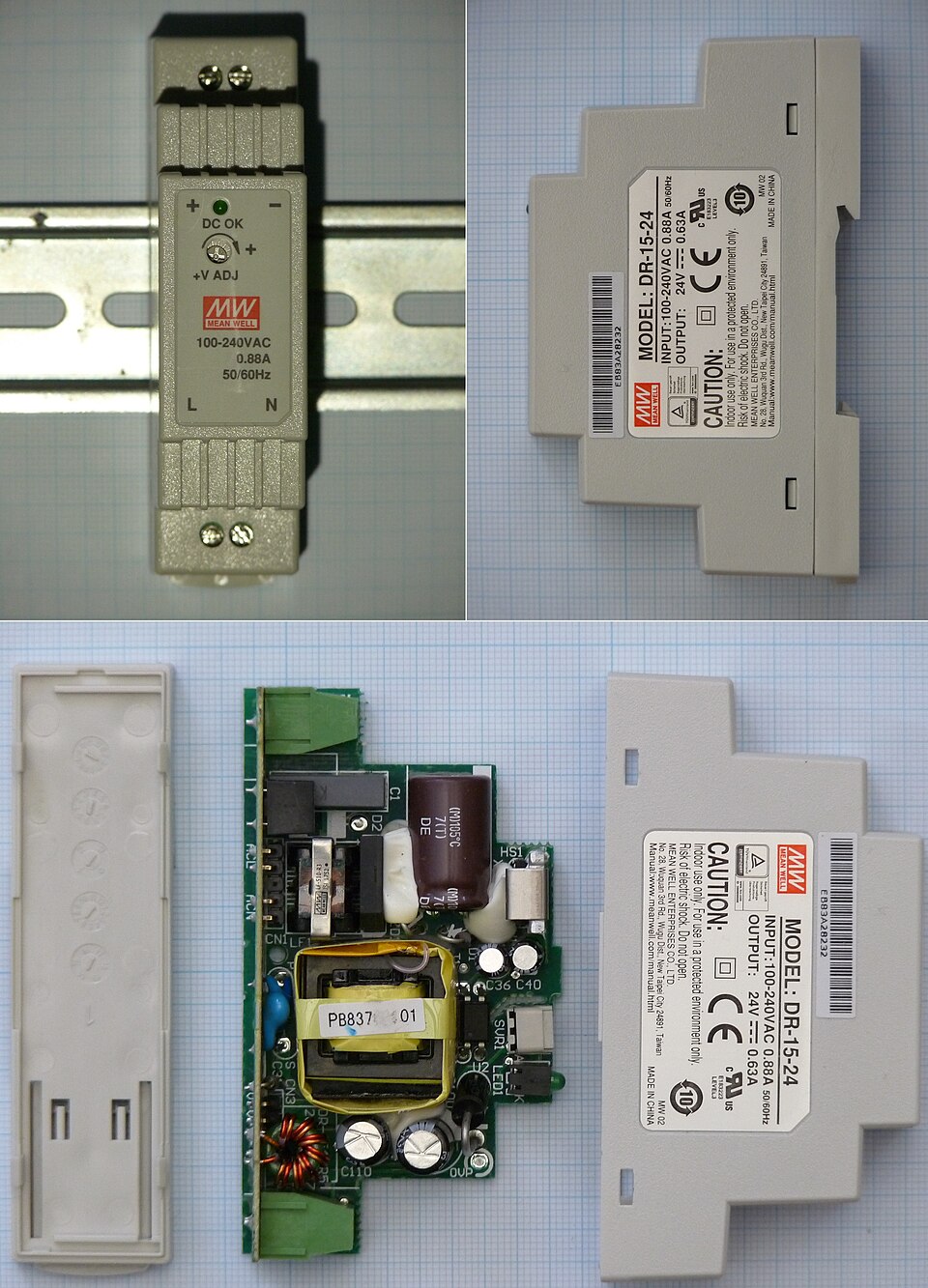
DIN-rail 5 V supply
Powers the hub from the store's mains, fused
ESP32-C6-WROOM-1 hub · 5 V power lead · 5 V low-voltage power
08
All connected
6 key parts, one program, and your phone
What it is
A hub at a laundromat's breaker panel that reads each machine's current to track cycles, faults and coins.
What it does
Who it's for
Owners of 1–3 laundromats with 30–60 machines.
The idea
The problem today
Owners of coin laundromats learn a washer is down when customers complain or on the next visit, often days later, and coin shortfalls show up months late if ever. Customers drive over to find every machine busy, and card systems that track this mean replacing every machine's payment hardware.
With LaundroLink
One current sensor per machine circuit tells the hub when each washer and dryer runs. The owner gets a text when a machine goes silent at peak, a coin check against the cycles run at collection, and customers see which machines are free before they leave home and can report a fault by scanning the machine.
How the parts connect
Every part, what links it to the brain, and how the data reaches your phone. A solid line is a cable; a dashed line is a radio link.
The program
for (;;) {
    xQueueReceive(drdy_q, &frame, portMAX_DELAY);   // ADS131M08 DRDY ISR
    for (int ch = 0; ch < 16; ch++) {
        rms[ch] = rms_100ms(frame, ch);
        evt_t e = detect(&st[ch], rms[ch]);         // idle + 0.25 A ON, + 0.10 A OFF
        if (e.type != EVT_NONE) {
            e.seq = ++st[ch].seq;                   // idempotent
            publish_or_buffer("ll/<store>/<dev>/event", &e);
        }
    }
    if (every_10s()) publish_rms(rms);              // Wi-Fi only
}
To your phone
Owner phone or laptop (PWA); customers use a web page
One screen for each job LaundroLink does.
Machine downOn a busy Saturday, washer 14 has drawn only idle current for 90 minutes while its neighbours keep running. The owner gets a text.
Coin checkAt collection the owner types in the coin totals. The app compares them with the cycles each machine ran and points at the gap.
Free nowBefore leaving home, a customer opens the store's free-now page. It shows which washers are free and which dryers finish soon.
QR fault reportA customer scans the QR on a cold dryer. The report is checked against the sensor, which saw tumbling with no heater on.
App screens with sample data. The interface is in development.
| Machine status | W02 running, 12 min left | Each start or stop |
|---|---|---|
| Machines free | 9 of 20 washers | Every 15 s |
| Cycle phases | Fill, agitate, drain, spin | Each cycle |
| Fault alert | W14 silent at peak | On fault |
| Hub link | Wi-Fi, −61 dBm | Every status report |
The public page shows free or busy only: no revenue, cycle history or device IDs. Customer reports need consent.
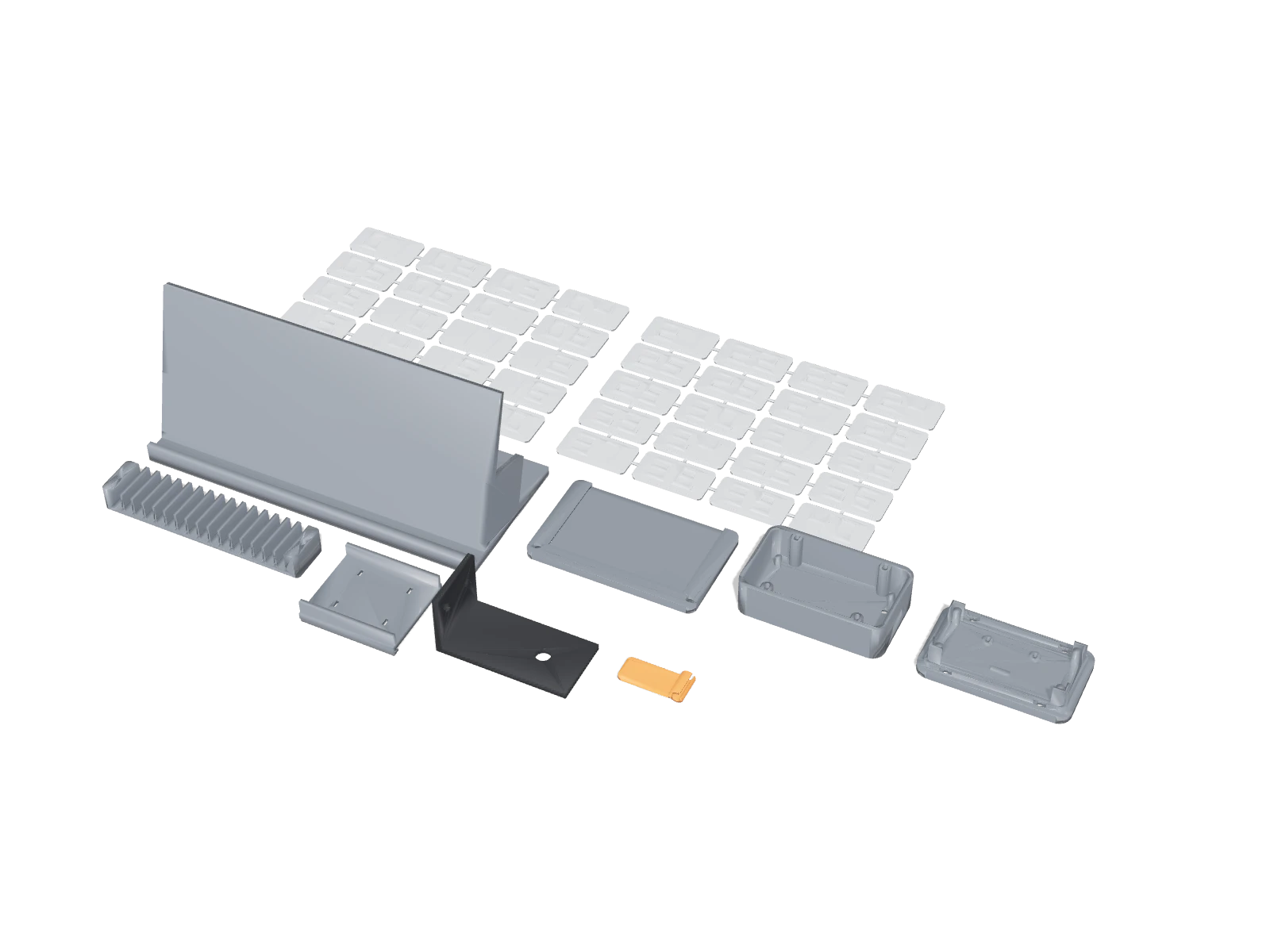
CAD design · Design complete (stages 1–6, rev B), not built, not validated
| AI processor | ESP32-C6 with 2 × TI ADS131M08 24-bit ADCs (16 channels) |
|---|---|
| Sensors | Up to 16 split-core current sensors per hub (YHDC SCT-013-030, 30 A : 1 V) · Pilot puck: magnet-on LSM6DSOX vibration sensor per machine |
| Connectivity | Wi-Fi 6 (2.4 GHz) · Optional SIM7080G LTE-M where the back room has no usable Wi-Fi · MQTT over TLS · SMS alerts |
| Power | Mean Well HDR-15-5 DIN-rail supply; the hub board runs on 5 V only, about 0.6 W from the wall (est.). Pucks: 5 V USB, about 0.3 W |
| Enclosure | Bought CamdenBoss CNMB/9 UL94 V-0 DIN box inside a listed wall enclosure; printed plastic never encloses mains. Printed PETG puck with two magnets |
| Dimensions | Hub box 160 × 90 × 58 mm (9 DIN modules); puck 66 × 40 × 21 mm |
| Channels | 16 per hub; 3 hubs for a 40-machine store |
|---|---|
| Sampling | 4,000 samples a second per channel, RMS 10 times a second |
| Accuracy target | Within 3% or 0.05 A on the bench |
| Classifier target | At least 98% of cycles counted correctly |
| Silent at peak | No cycle for 90 min while neighbours run |
|---|---|
| Free-now page | Updates every 15–20 s; greys out when data is stale |
| QR reports | Pre-filled per machine, bot-protected |
| Data on LTE-M | About 12 MB a month (est.) |
| Pilot | Magnet-on pucks, no electrician |
|---|---|
| Production | Current sensors in the panel, fitted by a licensed electrician |
| Mains | Only on listed bought parts |
Targets for production units; they may change during development.
Hardware: $399 per 16-circuit hub (target)
Software: $39 per store per month (target)
Target pricing. Hub parts cost about $242 at prototype quantity ($172 Wi-Fi only); a pilot puck about $32 (est.). If inspectors require listed current sensors, the hub cost rises well above the $399 price. Electrician fees are extra.
Indicative launch pricing in USD, excluding taxes and shipping. Final pricing is confirmed before any balance is charged.
Community
LaundroLink is in development. Rate the idea, tell us what to change about the features, specs or price, and we'll build it with your feedback.
How much people want it
–
No ratings yet
Follow LaundroLink
Get build updates and first access when pre-orders open.
No comments yet. Tell us what you'd want from LaundroLink.
Questions
Tell us what this would save you, or ask anything. We reply within two business days.
A member of the IEMI Labs team will reply within two business days.
From the product lab · ideation phase
No. LaundroLink is a concept in the in-house design and testing stage. The design is complete on paper, but nothing has been built or validated in a store. We are not taking orders; you can ask to join the pilot list.
Not for a pilot: pilot stores use magnet-on vibration pucks plugged into a USB outlet. The full hub puts current sensors inside the breaker panel, which a licensed electrician must install.
A cord carries current out and back, so the two cancel and a clamp reads zero. The sensor has to go on one conductor of the machine's circuit in the panel.
No. The coin check shows where coins collected fall short of the cycles run. It is evidence for you to review, not proof of theft, and the app never says 'theft'.
Only counts and machine states on the free-now page: no revenue, no history and no device details. A phone number on a fault report is optional and deleted 30 days after the report closes.
A lunchbox-sized monitor that mounts inside trucks, cold rooms and fridges.
From $199 per kit
Details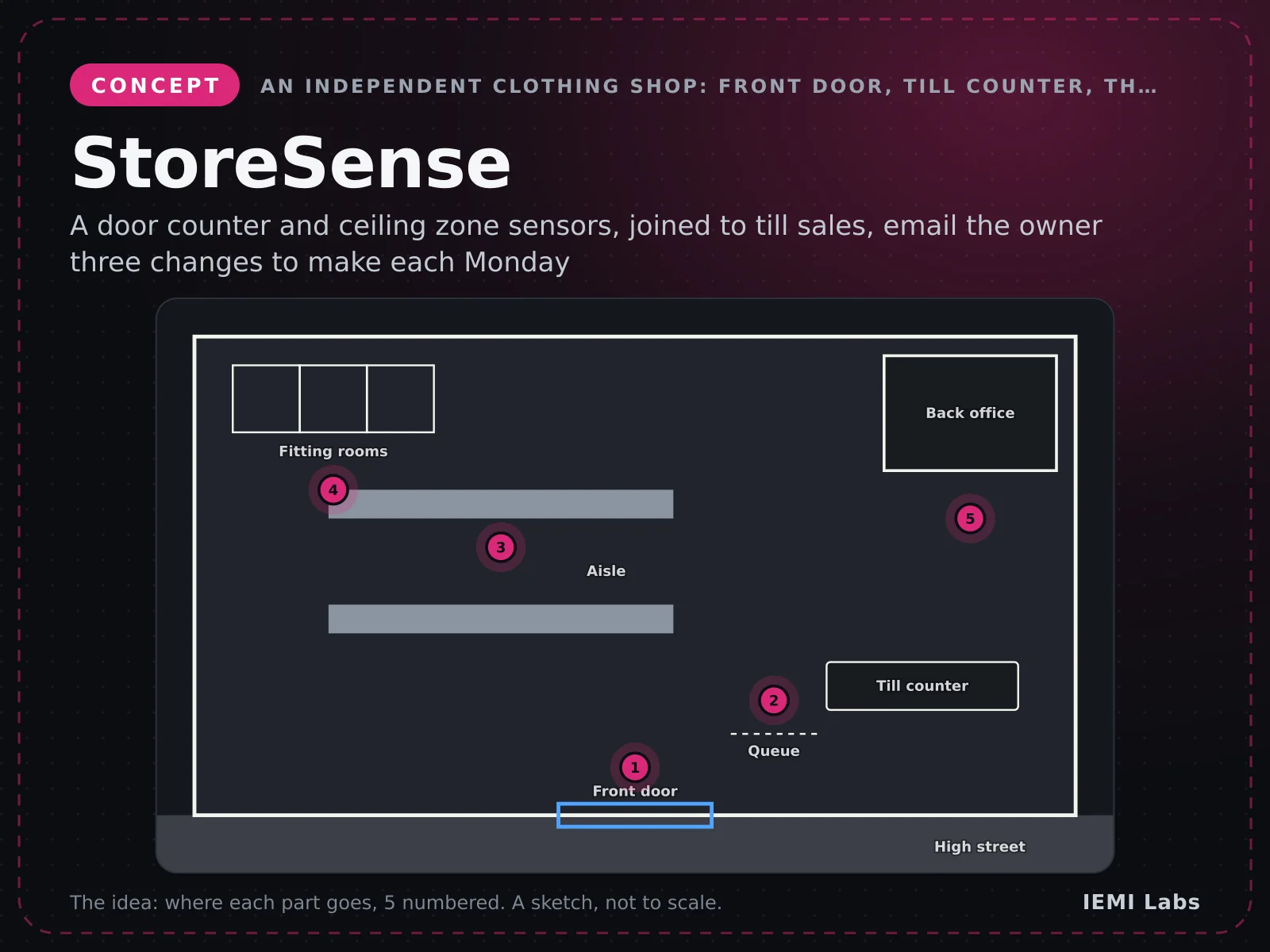
A ceiling door counter and zone sensors that use depth, not cameras, to measure shop traffic and queues.
From $149 door unit; $287 with 2 zone nodes at $69 each
Details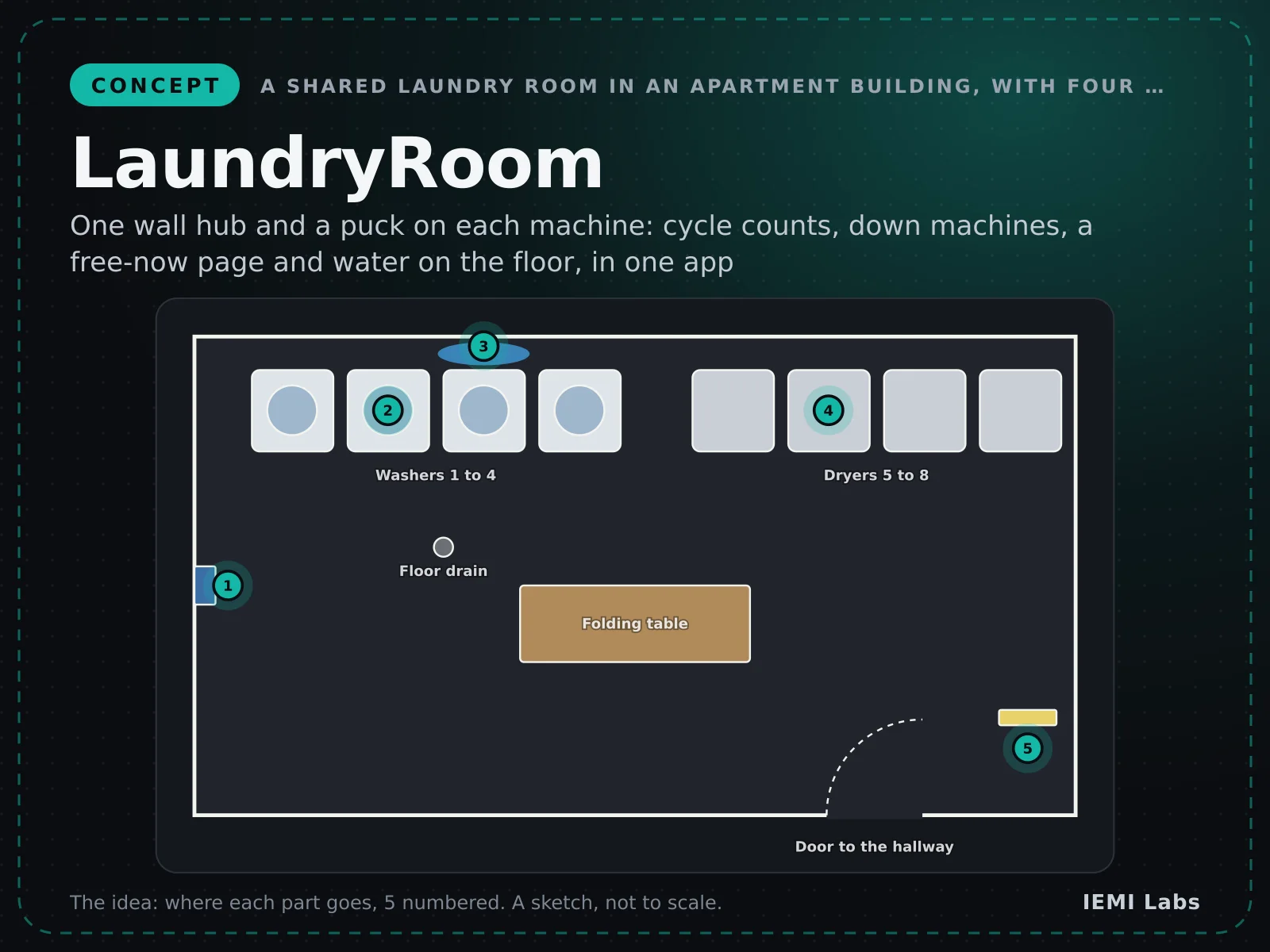
One wall hub and a battery puck on each machine that does three laundry-room jobs.
From $549 8-machine room kit: hub + 8 pucks (4 with leak feet) + tags, placards and sign; extra puck $39
DetailsLaundroLink
Concept · target $399