SensingConcept
OxyCart
A home oxygen cylinder cart with a built-in scale and a small sensor for the concentrator outlet.
- Shows oxygen hours left
- Measures the real flow
- Alerts family in a power cut
From $129 per cart
DetailsRollator kit: walking speed, brake cue and a lit night toilet trip
Software: $6–$8 per month ($6 family alerts, $8 per clinic patient)
Concept, not for sale yet. Tell us if you want it; that decides what we build.
Rate this idea and tell us what to change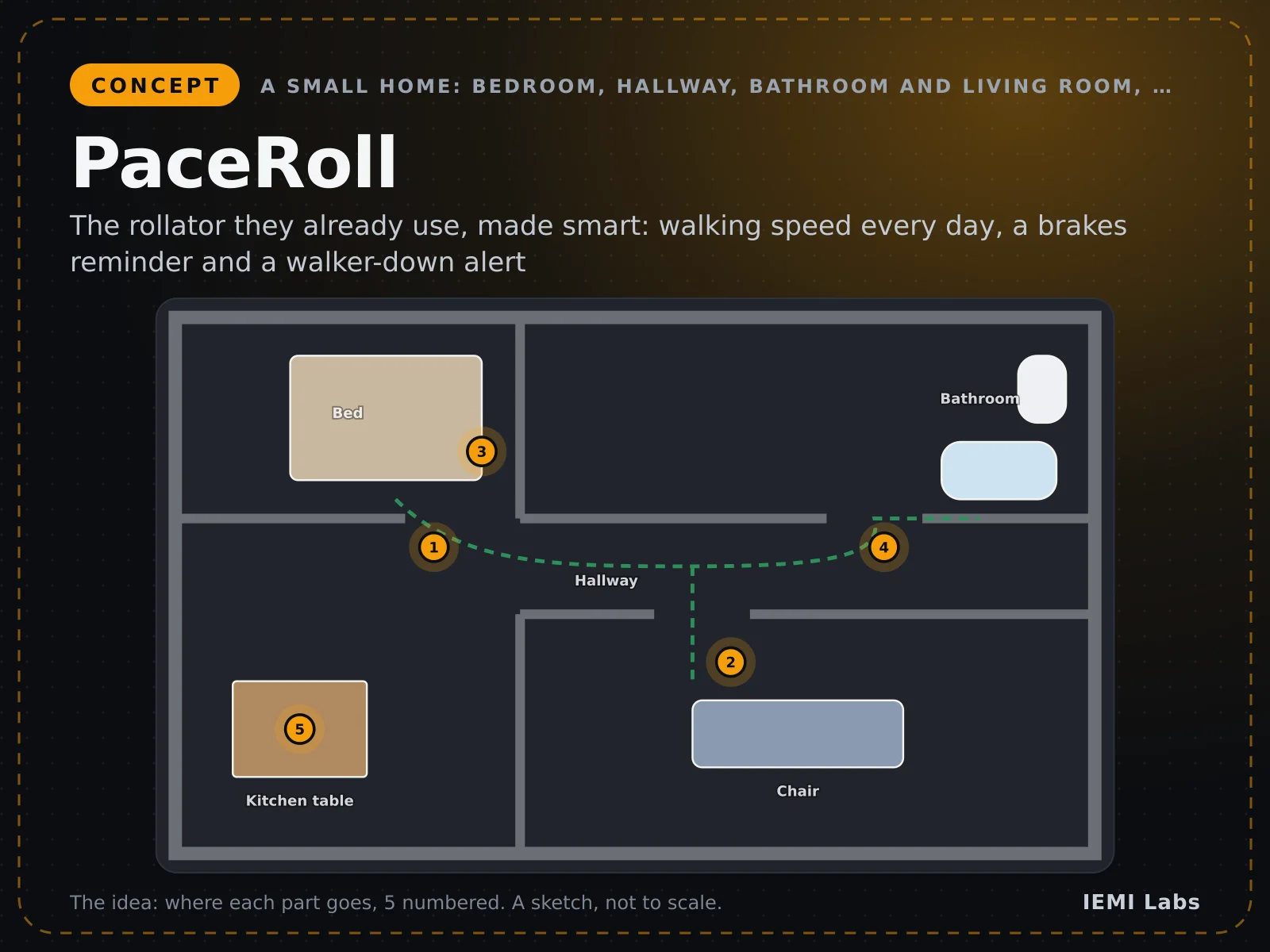
Drag to rotate · right-drag to move · scroll to zoom · click a part for its size and placeSwipe to rotate · pinch to zoom · two fingers to move · tap a part for its size
How it fits together
Scroll or tap a part. Press “See the 3D CAD design” to watch the model, built from our CAD, light each part up and show how it connects.
Real-time 3D render · drag to rotate · final design may varySwipe sideways to rotate
01
The whole PaceRoll
Magnets on a rollator wheel and a pod under the grip measure walking distance and gait speed, check the brakes, and alert the family.
02Brain
XIAO ESP32-C3 (HandlePod)
The brain: it runs the handlepod firmware program
03
Wheel Hall sensor
Counts 8 wheel magnets to measure distance walked
XIAO ESP32-C3 (HandlePod) · 3-core cable to GPIO · Wheel pulses
04
Brake Hall sensor
Senses the brake-lever magnet to tell if brakes are parked
XIAO ESP32-C3 (HandlePod) · GPIO pin · Brake parked or free
05
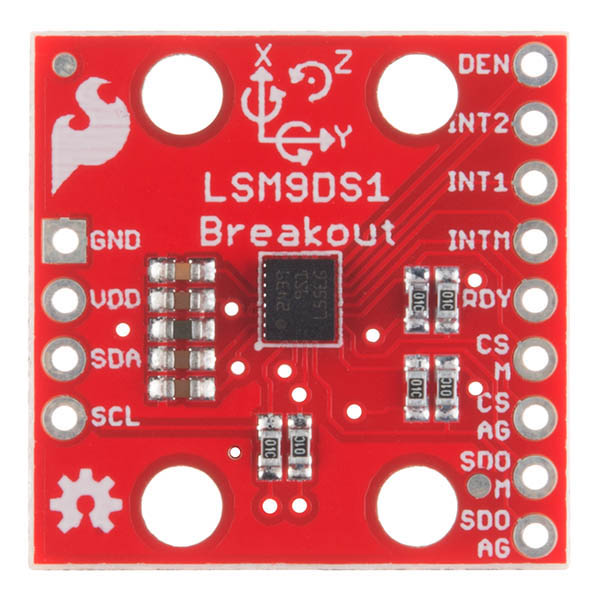
Motion sensor (IMU)
Detects turns, sit-downs and a fallen walker
XIAO ESP32-C3 (HandlePod) · I²C (4 wires) · Acceleration and yaw rate
06
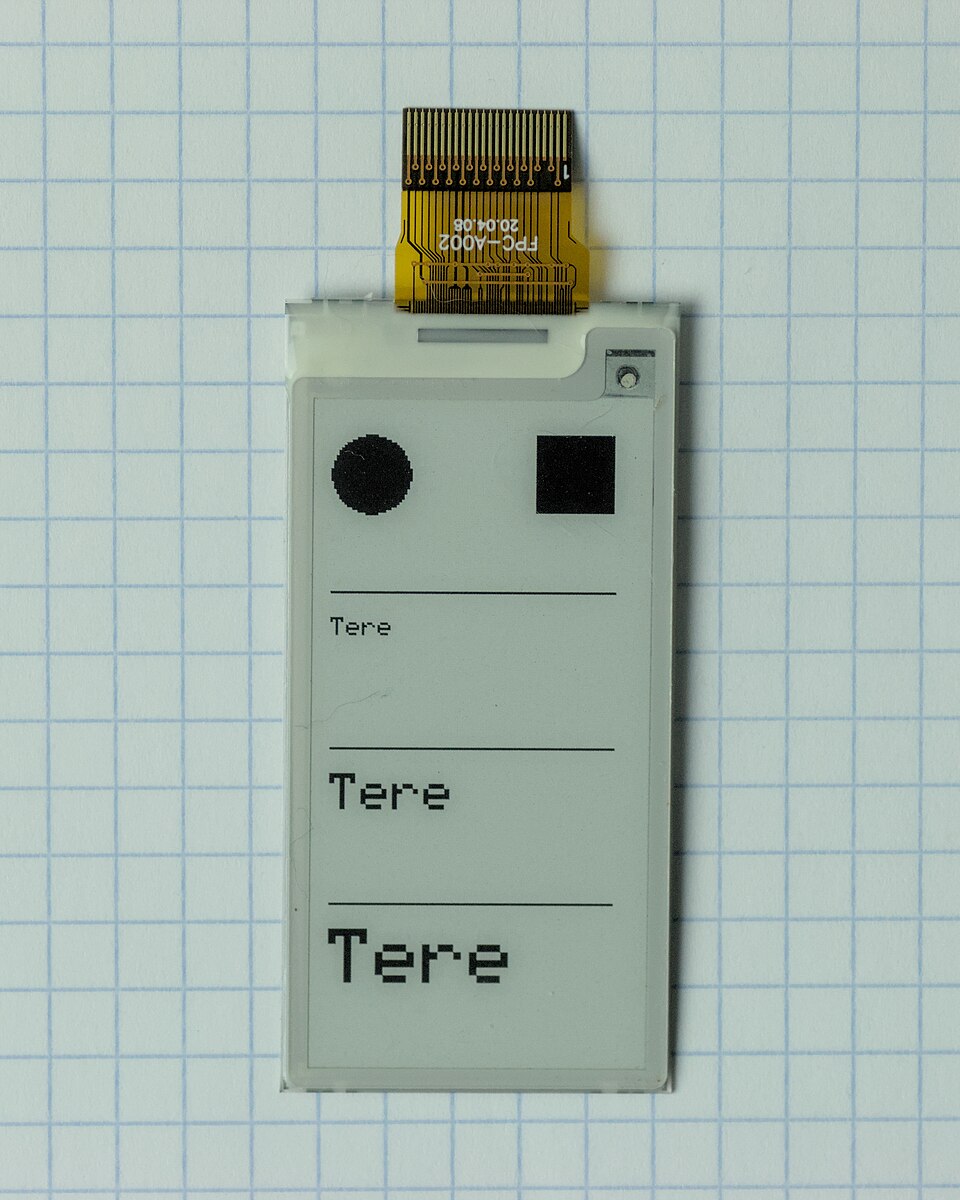
E-paper display
Shows today's distance and park reminders
XIAO ESP32-C3 (HandlePod) · SPI · Screen image
07
NightPath leg lamp
Lights the floor in amber for night toilet trips
XIAO ESP32-C3 (HandlePod) · Cable via I²C expander · LED power on/off
08
BedTag bed sensor
Sees when someone leaves the bed at night
XIAO ESP32-C3 · ESP-NOW radio · Bed exit events
09
18650 battery
Runs the pod for about 190 days per charge
XIAO ESP32-C3 (HandlePod) · Power lead via XIAO charger · 3.7 V power
10
All connected
8 key parts, one program, and your phone
What it is
A clip-on sensor kit that turns an existing rollator into a walking-distance and speed tracker.
What it does
Who it's for
Physical therapy practices and families of rollator users.
The idea
The problem today
Physios see walking speed a few times per episode with a stopwatch in the clinic, and families cannot see the walking at home at all. Brakes depend on memory, the walker gets left in doorways, and the activity clip on sale counts movement but not distance, speed or brakes.
With PaceRoll
A wheel sensor and a pod under one handle turn the rollator into an odometer: metres walked, walks per day and walking speed on every straight walk, a chirp if the user sits without parking the brakes, and a family alert if the walker ends up on its side or has not moved by the usual time. At night a tag on the bed leg lights the first steps and notes whether the walker was used. It monitors and alerts only and is not fall detection.
How the parts connect
Every part, what links it to the brain, and how the data reaches your phone. A solid line is a cable; a dashed line is a radio link.
The program
for (;;) {
    imu_wait_for_motion();                     // deep sleep until LSM6DSOX wakes the C3
    while (state == MOVING) {
        pulse = wheel_pulse_ms();              // DRV5023, 1 ms stamps
        yaw   = imu_yaw_rate();                // 52 Hz
        track_straight_segment(pulse, yaw);    // >= 3 m, |yaw| < 10 deg/s
        if (sit_down_signature() && !brake_parked())
            chirp(3);                          // "PARK BRAKES"
        if (tilt_deg() > 45 && still_for(5000))
            send_alert("down");
    }
    if (day_done()) mqtt_publish("pr/<id>/day", day_json());
}
To your phone
Family phone, plus a therapist dashboard
One screen for each job PaceRoll does.
Daily walkingEach evening the family sees how far Dad walked with his rollator and how fast he walked on straight stretches.
Brake reminderHe sits down without parking the brakes. The handle screen reminds him, and the miss shows in the daily summary.
Walker downThe rollator tips onto its side in the hallway. The family gets an alert at once so someone can call and check.
Night tripsAt night he gets up for the toilet. The bed glow comes on, the walker lights the floor, and a chime asks for the walker.
App screens with sample data. The interface is in development.
| Distance today | 612 m | Daily summary |
|---|---|---|
| Gait speed | 0.62 m/s | Daily median |
| Park misses | 1 today | Daily summary |
| Walker down | Tilt over 45° | At once |
| Pod battery | 92% | Daily summary |
No location, camera or audio. Raw pulses stay on the device for 7 days. Family access is by invitation only.
CAD design · Rev A design complete (stages 1-6) + rev A1 NightPath (26 Oct 2026), all hardware fit-checked in CAD, not built; RTM eligibility, the brake-park reminder and the BedTag leg detection are unconfirmed
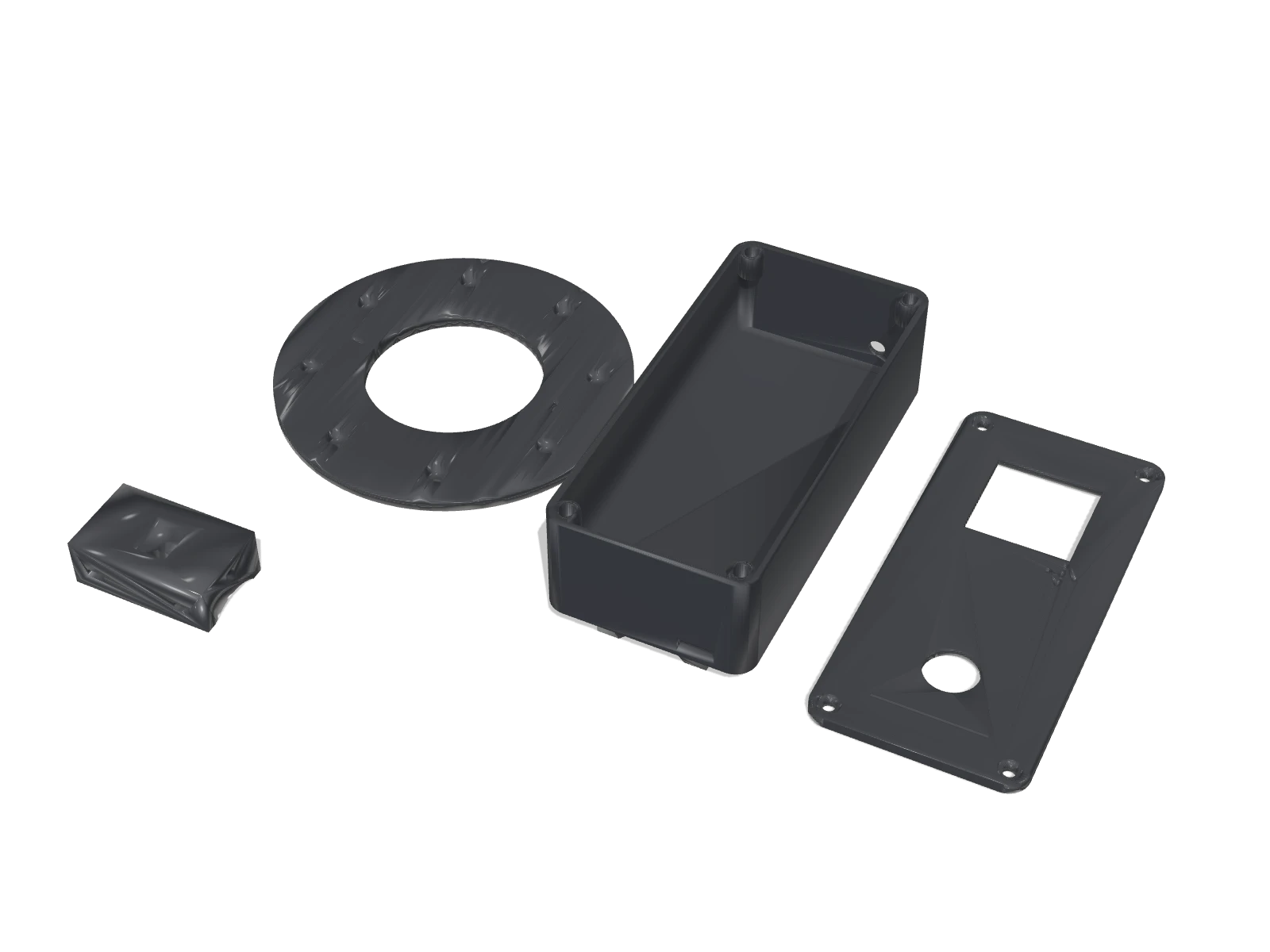
| AI processor | Seeed XIAO ESP32-C3 |
|---|---|
| Sensors | TI DRV5023 Hall switch with 8 N52 wheel magnets · Adafruit LSM6DSOX accelerometer and gyro · TI DRV5032 Hall switch on the brake lever · OK/HELP button · ST VL53L1X time-of-flight sensor in the BedTag · Amber floor lamp on a front leg |
| Connectivity | Home Wi-Fi (MQTT over TLS) · ESP-NOW to an optional plug-in Home Node · Waveshare 1.54" e-paper screen and buzzer · ESP-NOW between the walker and the BedTag |
| Power | HandlePod: one 18650 3,000 mAh cell, about 192 days per charge (about 120–150 days with NightPath, est.); BedTag: 2 × AA lithium, about 140–170 days (est.) |
| Enclosure | Black ASA HandlePod below one grip; black PETG wheel ring, sensor clip and leg lamp; white PETG BedTag strapped to the bed's foot-end leg |
| Dimensions | HandlePod 56 × 120 × 31 mm; wheel ring Ø100 mm; leg lamp 46 × 26 × 18 mm; BedTag 56 × 90 × 32 mm |
| Distance resolution | 80 mm per pulse on an 8 in wheel |
|---|---|
| Gait speed error | About ±0.012 m/s over a 4 m walk (est.) |
| Turn correction | Under 1% error with gyro (est.) |
| Wheels | 6, 8 or 10 in fixed rear wheels |
| Park reminder | Chirp if seated without brakes parked |
|---|---|
| Walker down | Tilt over 45° for 5 s, then 60 s for OK |
| Not moved | No walking by a set time (default 10:00) |
| HELP | Hold 3 s to message family (not a 24/7 service) |
| Battery | About 192 days per charge (est.) |
|---|---|
| Low-battery warning | At 15%, about 4 weeks left |
| Location | No GPS |
| Camera and audio | None |
| BedTag sensing | Legs beside the bed, to about 1.9 m along it (mounted 250 mm up, est.) |
|---|---|
| Floor light | About 8 lux under the front wheel, 3–4 lux one step ahead (est.) |
| Walker reminder | Soft chime if no walker movement in 45 s |
| Night summary | Trips, walker used or not, minutes up |
Targets for production units; they may change during development.
Hardware: $99–$159 per kit ($99 each in a clinic pack of 10)
Software: $6–$8 per month ($6 family alerts, $8 per clinic patient)
Target pricing. $129 kit, $159 with NightPath. Parts cost about $55 per kit plus about $35 for NightPath at qty 1 (est.).
Indicative launch pricing in USD, excluding taxes and shipping. Final pricing is confirmed before any balance is charged.
Community
PaceRoll is in development. Rate the idea, tell us what to change about the features, specs or price, and we'll build it with your feedback.
How much people want it
–
No ratings yet
Follow PaceRoll
Get build updates and first access when pre-orders open.
No comments yet. Tell us what you'd want from PaceRoll.
Questions
Tell us what this would save you, or ask anything. We reply within two business days.
A member of the IEMI Labs team will reply within two business days.
From the product lab · ideation phase
No. PaceRoll is a concept in the in-house design and testing stage. It has not been built or tested on real rollators, and it has no ship date yet.
No. It can tell when the walker itself is lying on its side, but it cannot see a person fall away from the walker. It is not a personal emergency response system and makes no fall-prevention claim.
It is designed not to. The glow and walker lamp are dim amber (a few lux on the floor), and the chime is short and quiet at the bedside. Families can switch the chime off and keep the lights.
No. It gives light where the next step goes and a reminder to take the walker, and it tells the family how nights went. It cannot catch or detect a fall, and the hallway and bathroom still need their own night lights.
It is designed for rollators with fixed rear wheels of 6–10 in and typical leg and handle tubes. Fit across brands still needs testing.
Not confirmed. Remote therapeutic monitoring needs a device that meets the FDA medical-device definition, and PaceRoll's regulatory position is still to be decided. Practices should follow their own compliance advice.
A home oxygen cylinder cart with a built-in scale and a small sensor for the concentrator outlet.
From $129 per cart
Details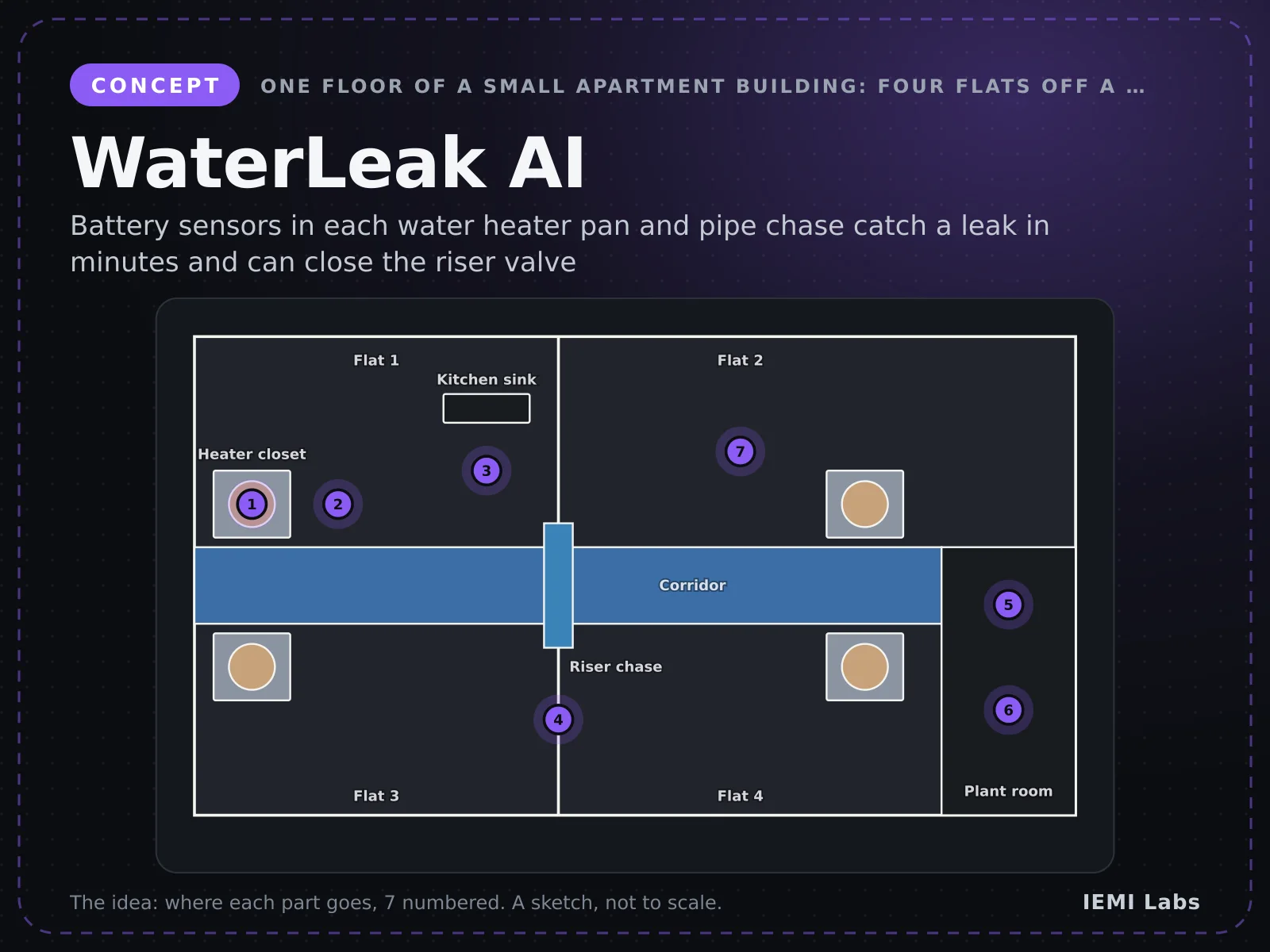
A matchbox-sized battery monitor that sticks near pipes, tanks and AC units.
From $199 per unit / building kit
Details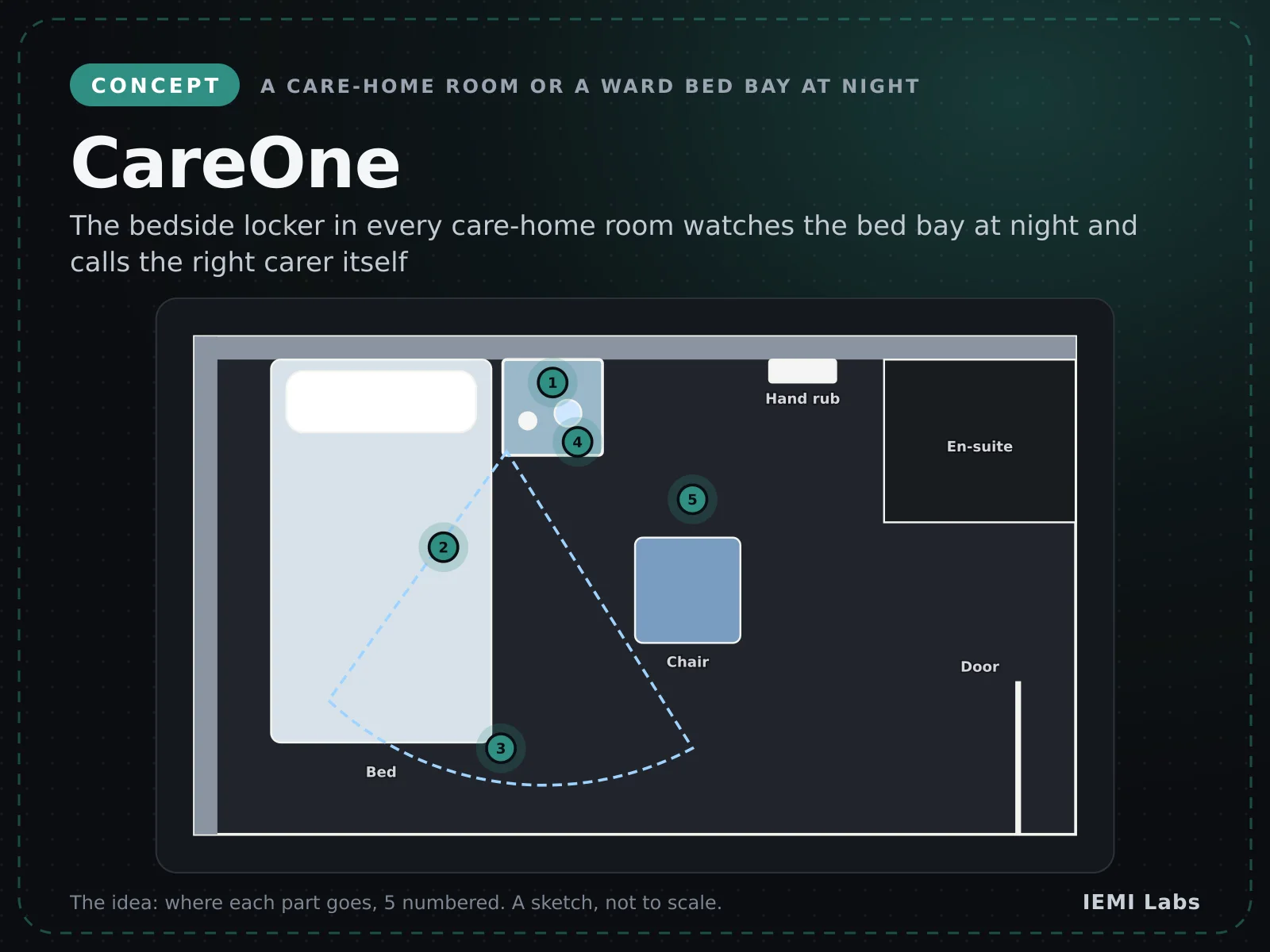
IEMI's one product for care homes and hospital wards: the bedside locker, made smart, with one brain and one app.
From $590 per smart bedside locker
DetailsPaceRoll
Concept · target $99