Skip to content
IEMI Labs
Now part of PumpOne. PumpOne does this product's jobs and more in one device, our one product for Water, energy and utilities.

GaugeRead AI

Battery camera that reads old analog gauges and sends only numbers

Concept · not for sale
Engineering design: GaugeEye
Target price from$349per camera

Software: $8–$12 per month per gauge

Concept, not for sale yet. Tell us if you want it; that decides what we build.

Rate this idea and tell us what to change
GaugeRead AI concept: the idea and where each part goes

Drag to rotate · right-drag to move · scroll to zoom · click a part for its size and placeSwipe to rotate · pinch to zoom · two fingers to move · tap a part for its size

How it fits together

GaugeRead AI, part by part

Scroll or tap a part. Press “See the 3D CAD design” to watch the model, built from our CAD, light each part up and show how it connects.

GaugeRead AI concept: the idea and where each part goes

Real-time 3D render · drag to rotate · final design may varySwipe sideways to rotate

  1. 01

    The whole GaugeRead AI

    A battery camera wakes on a timer, photographs analog gauges under IR flash, reads each needle on the device and sends the numbers.

  2. 02Brain

    ESP32-S3-WROOM-1

    The brain: it runs the gaugeeye-vision program

  3. 03

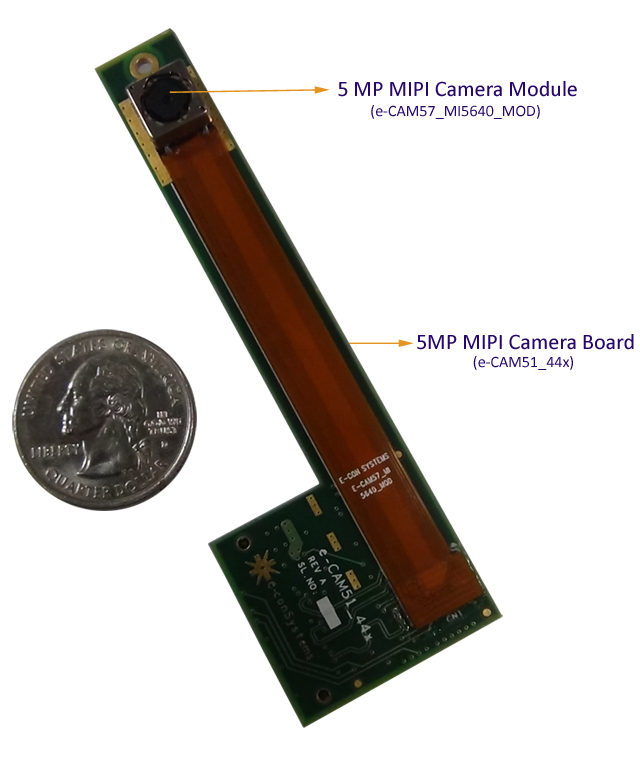
    OV5640 camera

    Photographs the gauge face with a set-once focus

    ESP32-S3-WROOM-1 · DVP 8-bit camera bus · UXGA frames

  4. 04

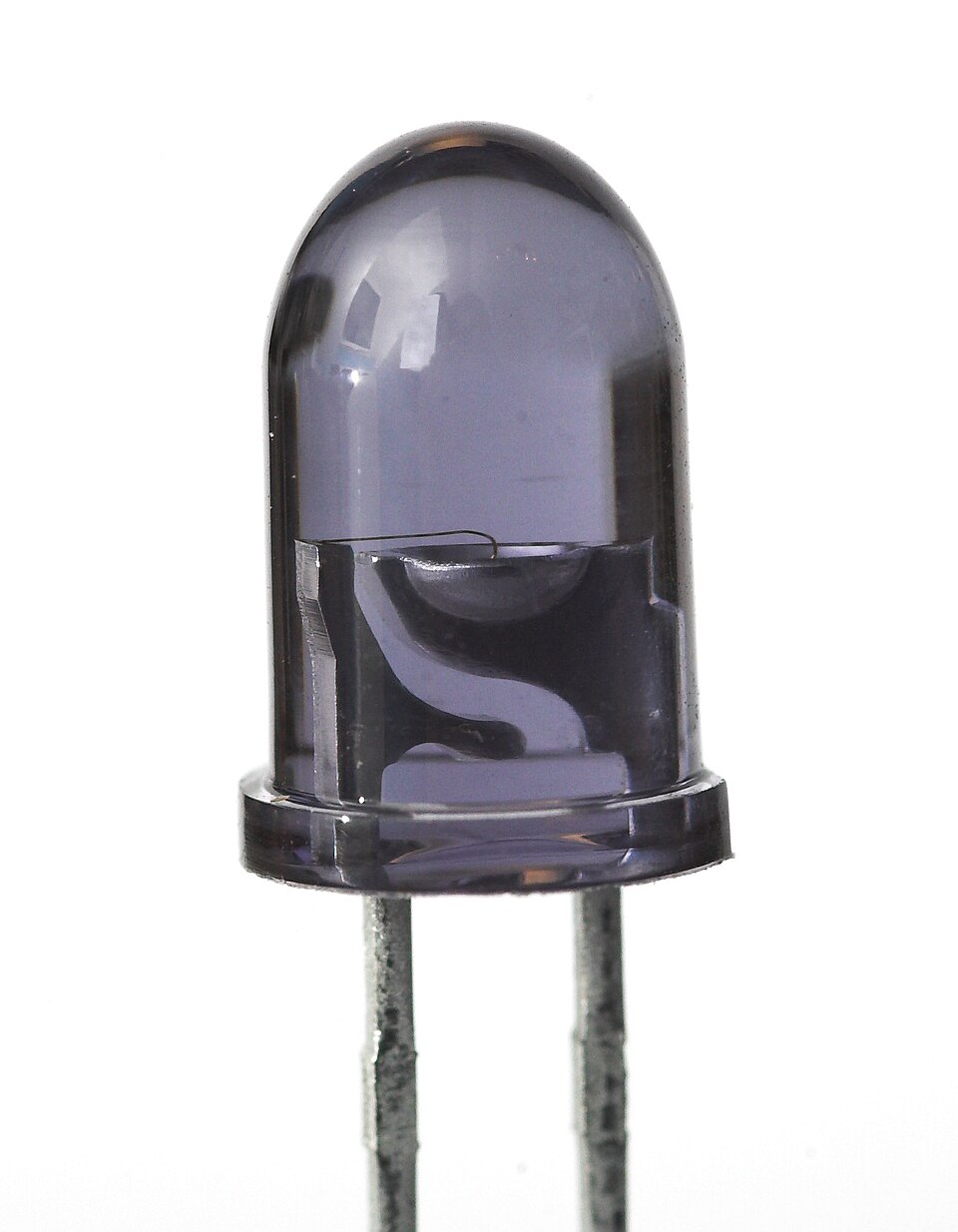
    IR flash LEDs (x2)

    Light the dial for each photo, day or night

    ESP32-S3-WROOM-1 · GPIO 14 to LED sinks · Flash pulse, 0.5 A each

  5. 05

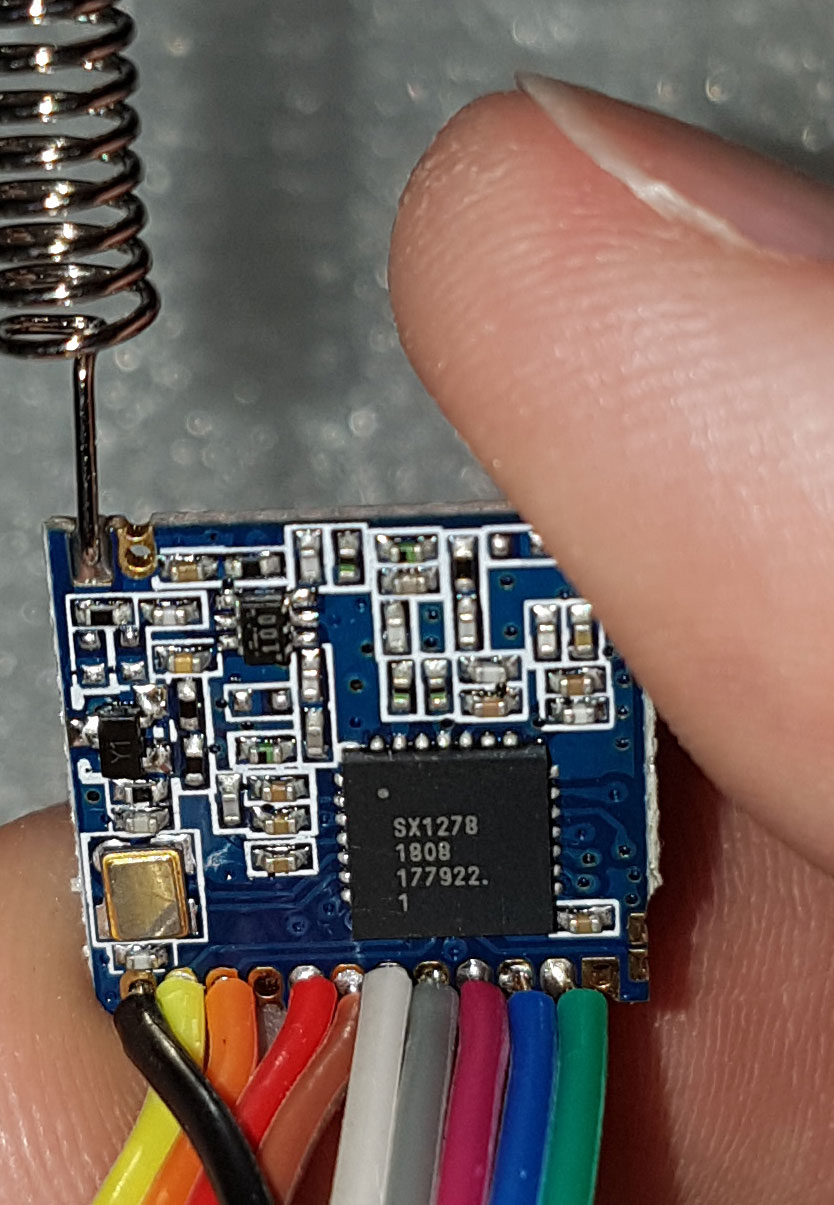
    RAK3172 supervisor and radio

    Wakes the camera, checks limits and sends the reading

    RAK3172 (STM32WLE5) · UART with a READY line · Dial readings, CRC16

  6. 06

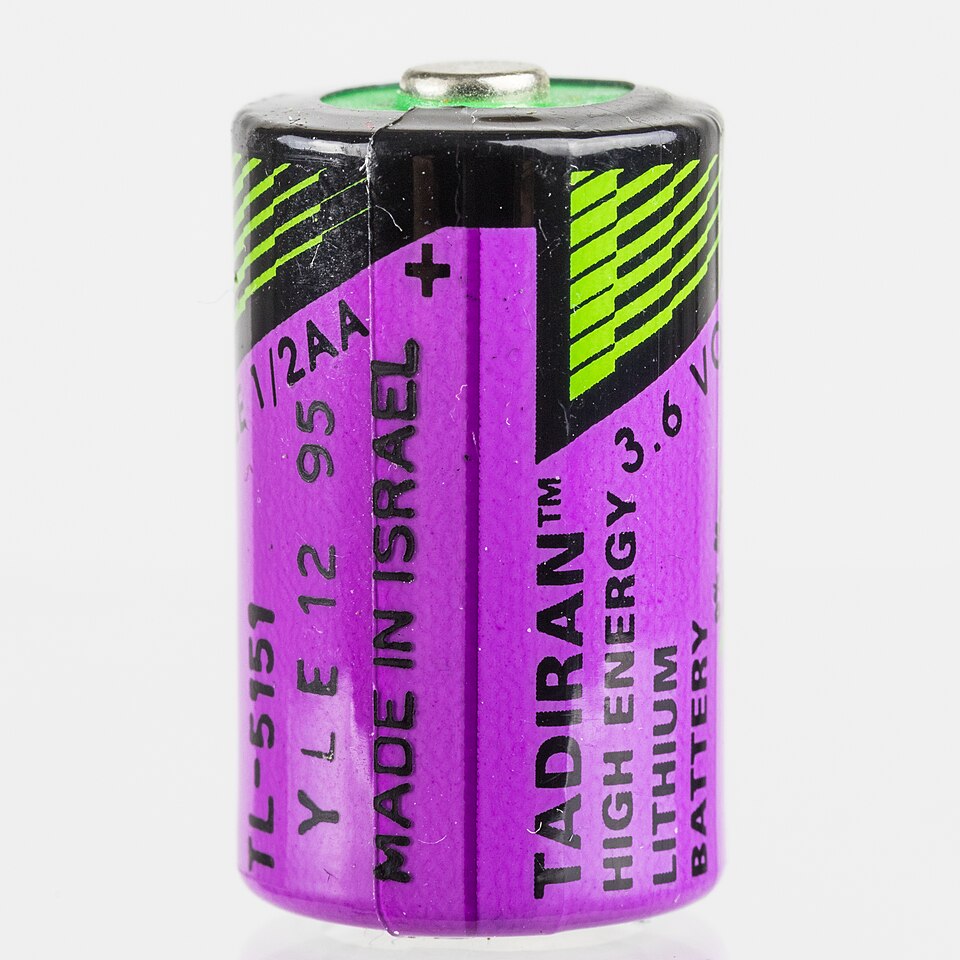
    Two D lithium cells

    Run the camera for years between visits

    ESP32-S3-WROOM-1 · 3.6 V leads (JST-PH) · Battery power

  7. 07

    Solar panel (solar kit)

    Tops up the LiFePO4 cells in the solar version

    ESP32-S3-WROOM-1 · Panel lead to charger · 6 V solar power

  8. 08

    All connected

    6 key parts, one program, and your phone

What it is

A small battery camera on a clamp arm that reads an existing analog gauge and sends the number.

What it does

  • Reads needles and counters on the device
  • Sends readings, not images
  • Alerts when values cross limits
  • Fits with no shutdown or permit

Who it's for

Water utilities, process plants, factories and food and pharma sites.

How the parts connect

GaugeRead AI, wired up

Every part, what links it to the brain, and how the data reaches your phone. A solid line is a cable; a dashed line is a radio link.

OV5640 cameraUXGA framesDVP 8-bit camera busIR flash LEDs (x2)Flash pulse, 0.5 A eachGPIO 14 to LED sinksRAK3172 supervisor and radioDial readings, CRC16UART with a READY lineown board: RAK3172 (STM32WLE5)Two D lithium cellsBattery power3.6 V leads (JST-PH)Solar panel (solar kit)6 V solar powerPanel lead to chargerTHE BRAINESP32-S3-WROOM-1runs gaugeeye-visionC with ESP-IDF and esp32-cameraGateway or cell networkvia LoRaWAN 915 MHz, or LTE-MIEMI cloudvia MQTTPhonevia Web app, SMS, email
Drawn from the GaugeRead AI parts list. The 3D view above is built separately, from the CAD.

The program

What controls GaugeRead AI

Runs on
ESP32-S3
Written in
C with ESP-IDF and esp32-camera
System
ESP-IDF (FreeRTOS)
AI model
Classical image processing, no neural network
  1. 1Boot when the supervisor powers the vision rail
  2. 2Power the camera, focus and pick flash or no flash
  3. 3Capture 3 frames and crop each dial
  4. 4Find the needle angle and turn it into a fraction of span
  5. 5Send results over UART; the supervisor cuts power and sleeps
gaugeeye-vision.cppmain loop
void app_main(void) {
    load_calibration();                       // dials, ellipses, min/max marks
    camera_on(); set_focus(stored_vcm_code);
    for (int f = 0; f < 3; f++) {
        if (ae_needs_flash()) flash_on_vsync();      // GPIO 14, 25 ms
        fb[f] = esp_camera_fb_get();
        extract_dial_rois(fb[f], roi[f]);     // Y plane only
    }
    camera_off();
    for (int d = 0; d < n_dials; d++)
        result[d] = read_needle(roi, d);      // register, unwrap, line fit, median of 3
    uart_send_crc16(result, n_dials);         // then raise READY
}

To your phone

How the data reaches GaugeEye app

Operator's phone or laptop browser

  1. Camera
  2. Gateway or cell network
  3. IEMI cloud
  4. Phone

What you see in the app

One screen for each job GaugeRead AI does.

  • Remote pressureAt a remote lift station the camera reads the discharge gauge every 15 minutes. Pressure slides overnight, so the operator knows before the morning drive.

  • Boiler roundIn an old boiler room, six clip-on cameras read the dials an operator used to walk to. The round is logged before anyone arrives.

  • Out of rangeOn an old air compressor, dial 2's needle sits hard against the top stop. The camera sees it on three reads in a row and raises an alarm.

  • Camera movedA fitter knocks the bracket while working on the pipe. The unit sees it has tilted and asks for a check read before trusting the numbers.

App screens with sample data. The interface is in development.

What the app gets

Data GaugeRead AI sends to the app
Gauge value42.6 psiEvery read, 15 min
Read confidence91 of 100Each dial, each read
Out-of-range alarmDial 2 pegged highOn event
Camera movedNeeds a check readWhen tilted
Battery3.48 VEach read

Photos stay on the device. A thumbnail is sent only when you ask for one in the app.

CAD design · Design complete (stages 1–6, rev A), not built, not measured, not validated

Designed in code, checked in 3D

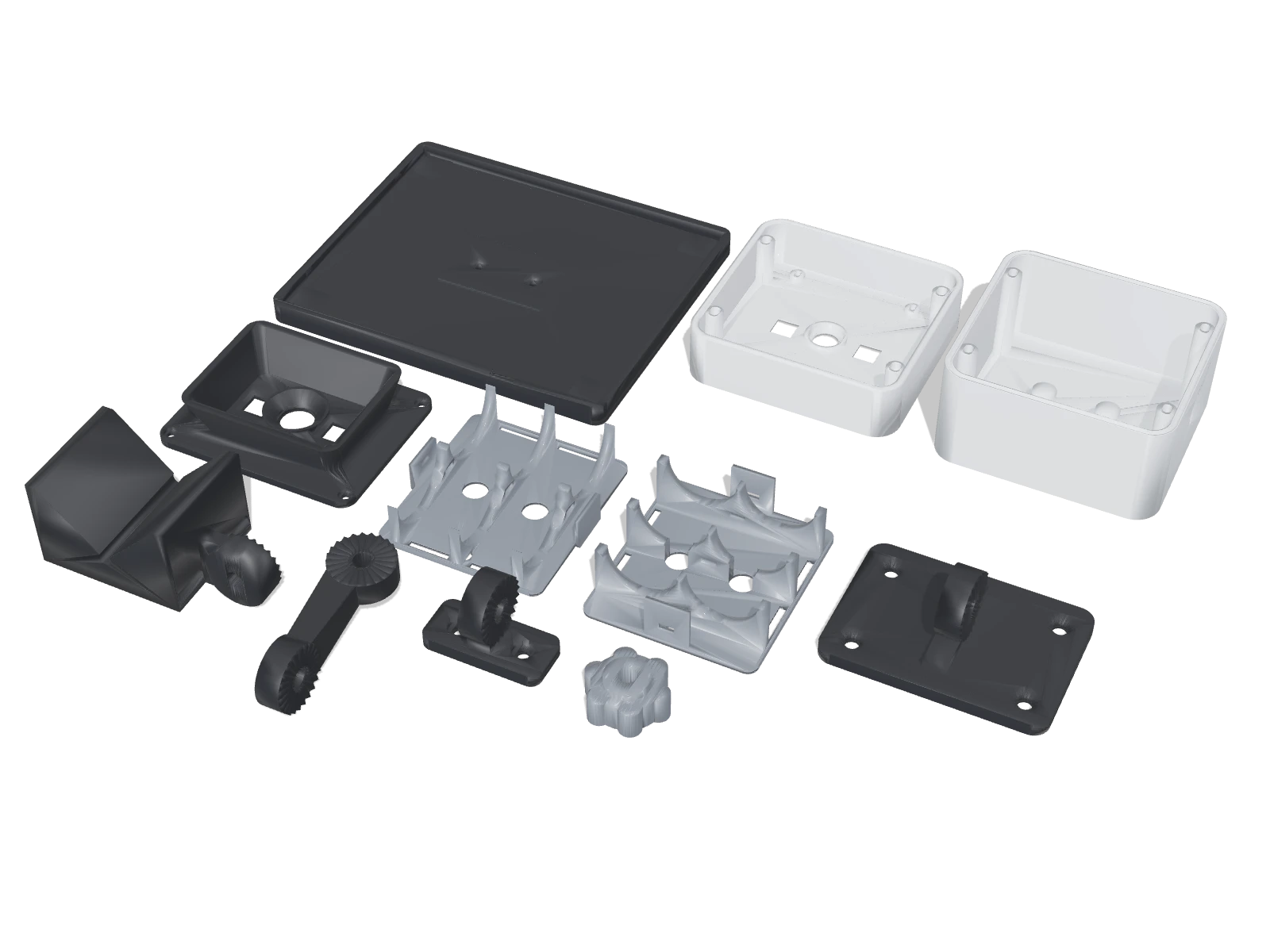
  • 11 printed parts, each a single closed solid
  • Every bought part fitted inside and checked for collisions
  • Assembled exactly as shown in the 3D CAD view (the button on the picture at the top)
See the CAD parts renderGaugeEye printable parts rendered from the CAD

Key specs

GaugeRead AI hardware
AI processorSTM32N6 (on-device gauge reading)
Camera5 MP autofocus camera with IR-cut filter, small white LED for night reads and an optional polariser for glass glare
SensorsAmbient light sensor · Tilt sensor to detect a knocked or moved camera
ConnectivityLoRaWAN (EU868 / US915 / IN865 / AS923) or LTE-M / NB-IoT model · BLE for aiming and setup from a phone · Modbus or OPC UA via the IEMI gateway (planned)
PowerLithium primary battery (2× D-cell Li-SOCl₂); multi-year life is a design target, around 3 years at 15-minute reads, not yet verified
EnclosureUV-stable white cylindrical housing with an orange lens bezel, on a 20 cm two-joint arm with a hose-clamp or magnetic base
DimensionsBody about 84 × 80 × 62 mm (fits 2× D-cell); stiff arm of 12 cm or less; mounts 10–40 cm from the gauge
Ingress ratingIP67 (target)
All target specifications

Reading

Reading target specifications
Gauge typesAnalog dials, mechanical counters, simple digital displays
Mounting distance10–40 cm from the gauge face
Read interval15–60 minutes (every minute would empty the battery in about 3 months)
AccuracyTo be published after pilots

Data and connectivity

Data and connectivity target specifications
What leaves the deviceReading, quality flag and battery status; no images by default
RadioLoRaWAN or LTE-M / NB-IoT
SetupBLE phone app with live aiming preview
IntegrationMQTT, REST API; Modbus / OPC UA via gateway (planned)

Power and physical

Power and physical target specifications
Battery2× D-cell lithium; ~3 years at 15-min reads (est., not verified)
BodyAbout 84 × 80 × 62 mm box, UV-stable white with orange lens bezel
Arm20 cm, two joints; hose-clamp or magnetic base
IngressIP67 (target)

Targets for production units; they may change during development.

Pricing

Hardware: $349 per camera

Software: $8–$12 per month per gauge

Target pricing. $8/mo on LoRaWAN; $12/mo on LTE-M including data. LoRaWAN gateways are quoted per site.

LoRaWAN

$349 + $8/mo per gauge

For sites with a LoRaWAN gateway or many gauges in one area.

  • On-device reading
  • Readings every 15–60 min
  • Limit and drift alerts
  • Dashboard and CSV export

LTE-M

$349 + $12/mo per gauge

For remote or scattered gauges, with cellular data included.

  • Built-in LTE-M / NB-IoT
  • Data plan included
  • No gateway needed
  • Same dashboard and alerts

Site

Custom

For utilities and plants digitising many gauges.

  • Volume pricing
  • Gateway and SCADA integration (planned)
  • Mounting survey
  • SLA

Indicative launch pricing in USD, excluding taxes and shipping. Final pricing is confirmed before any balance is charged.

Community

What do you think of GaugeRead AI?

GaugeRead AI is in development. Rate the idea, tell us what to change about the features, specs or price, and we'll build it with your feedback.

How much people want it

–

No ratings yet

  1. 50
  2. 40
  3. 30
  4. 20
  5. 10

Follow GaugeRead AI

Get build updates and first access when pre-orders open.

Leave feedback

Your rating of the idea

Feedback on a product concept in development, not a review of a shipped product. Posts may be moderated; links and contact details are held for review. See our community guidelines and privacy policy.

Comments

    No comments yet. Tell us what you'd want from GaugeRead AI.

    Questions

    Ask about GaugeRead AI

    Tell us what this would save you, or ask anything. We reply within two business days.

    We use your details only to respond to this request. See our privacy policy.

    From the product lab · ideation phase

    Lab updates for GaugeRead AI

    All lab updates
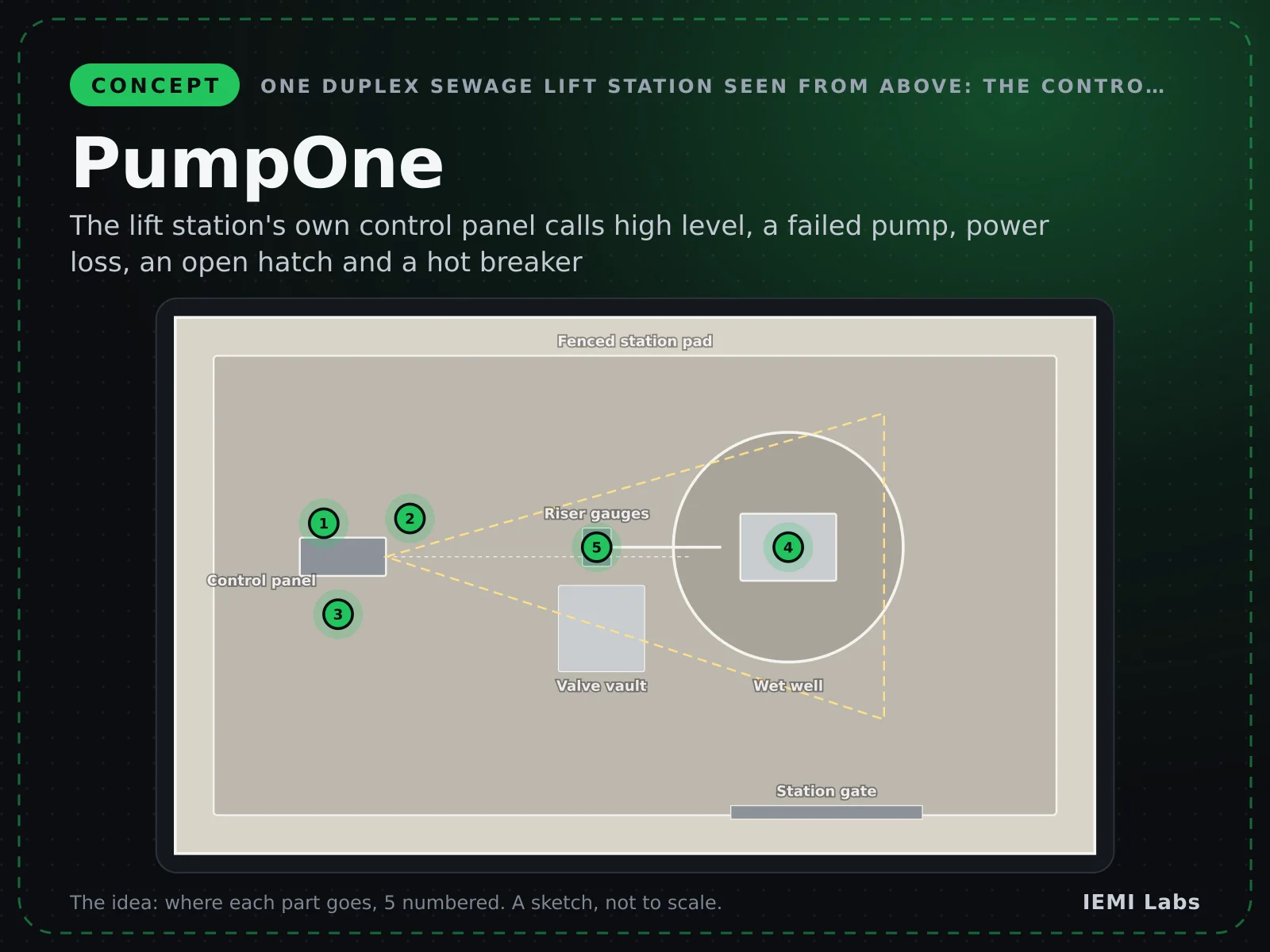
    1. LatestA town or water district needs one thing at each lift station that calls high water, a failed pump, a power cut and entry to the person on call, as the Ten States Standards (section 46) ask, and that reads the gauges and watches the panel between rounds. Today they pay for a cellular alarm dialer (Mission M110 $1,195 plus service, about $55 per station per month in a Florida utility filing), drive the round to read gauges and pay for a yearly heat survey.
      • Now part of PumpOne: https://iemilabs.com/products/pumpone/

      See it in 3DFull research and design

    2. Small towns, water districts and private owners (HOAs, RV parks, mobile-home parks) have three jobs at every pump station: answer the alarm, know each pump is still pumping, and catch a hot connection in the panel. Daily lift-station checklists list alarms, levels and pump readings (MaintainX), pressure is read with pumps off and running (Indiana DNR), a site visit costs $500–2,000 or more (Vista Projects), and a cellular dialer alone is $1,200–1,600 (Mission, Sensaphone). Our own three products for it cost $2,827 and $87 a month per station.
      • Combined into PumpStation (https://iemilabs.com/products/pumpstation/); GaugeRead AI itself is unchanged

      See it in 3DFull research and design

    GaugeRead AI FAQ

    General FAQ
    Does GaugeRead send pictures of my plant?

    Not by default. The gauge is read on the device and only the number, a quality flag and battery status are sent. You can choose to send an occasional image for setup or checking, and you control that setting.

    Is GaugeRead certified or safety rated?

    No. It is in development and holds no certifications yet. It is a monitoring aid, not a safety-rated instrument or a replacement for a safety system. It is not for hazardous (classified) areas; an intrinsically safe version is planned as a later phase. FCC/CE, LoRaWAN and carrier certification testing is planned.

    How accurate is it?

    We will not publish an accuracy figure until we have measured it in pilots. Accuracy depends on mounting, glare, fog and vibration, and the device flags readings it is unsure about rather than guessing.

    How is it installed?

    Clamp the arm to a nearby pipe or stick it to steel with the magnetic base, 10–40 cm from the gauge, aim it with the phone app and mark the scale. There is no process shutdown, no wiring into the process and no hot work.

    What connectivity does it need?

    Choose LoRaWAN, using your gateway or one we supply, or LTE-M / NB-IoT with data included. BLE is used only for setup from a phone.

    Is GaugeRead AI available now?

    No. It is in development and the specifications are targets. It is a concept: we are not taking orders, reservations or deposits, and it has no ship date yet.

    What warranty will it come with?

    We are planning a 2-year limited hardware warranty covering manufacturing defects. Final terms will be published before shipping begins.

    Related products

    MotorPulse AI concept: the idea and where each part goes
    IndustrialConcept

    MotorPulse AI

    A small battery sensor that screws onto a motor or pump and spots developing faults.

    • Measures vibration, sound and temperature
    • Flags unusual machine behaviour
    • Suggests a likely fault type

    From $249 per node (HD variant $349); gateway $399

    Details
    AirLeak AI concept: the idea and where each part goes
    IndustrialConcept

    AirLeak AI

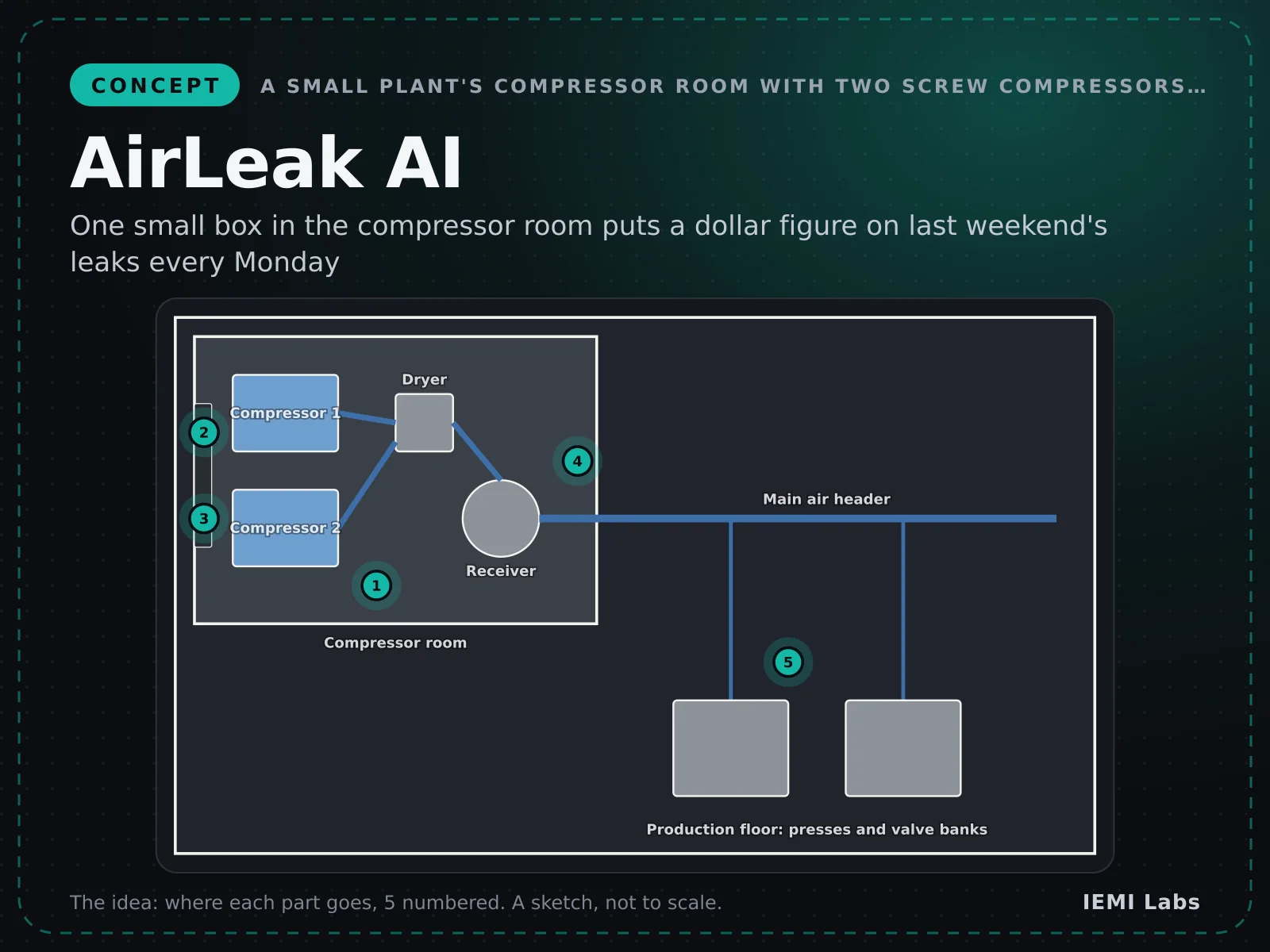
    A wall or pole-mounted ultrasonic sensor disc with a camera that listens for compressed-air and gas leaks.

    • Hears leaks around the clock
    • Marks leaks on a camera image
    • Estimates each leak's yearly cost

    From $1,490 per unit

    Details
    PlantNode concept: the idea and where each part goes
    IndustrialConcept

    PlantNode

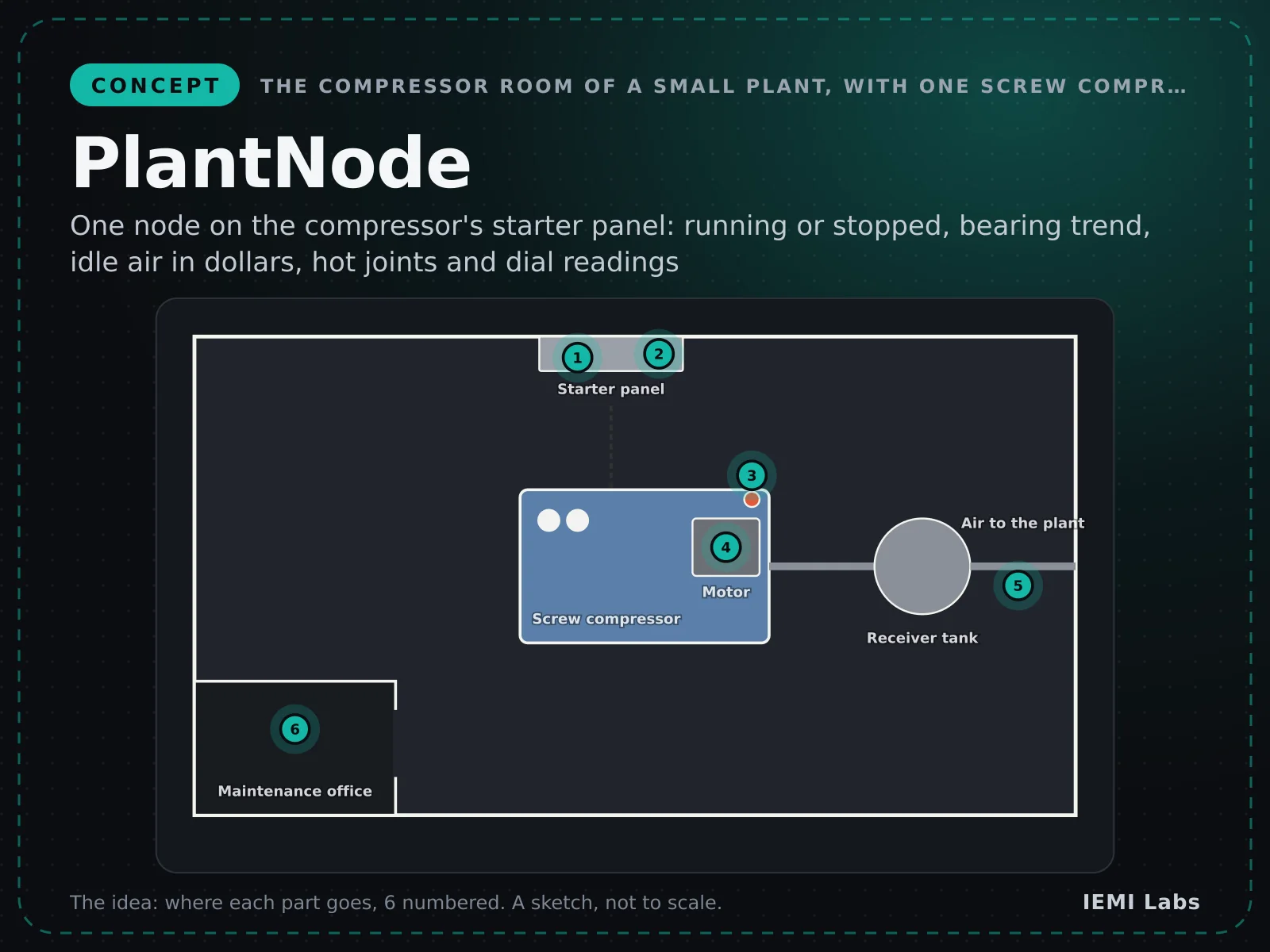
    A one-per-machine node with one brain that does five monitoring jobs at a compressor or other big machine.

    • Shows running, idle, alarm and motor bearing trend
    • Puts a dollar figure on idle air
    • Catches hot connections in the starter panel

    From $1,190 per machine (4 joint tags included); site LoRa gateway $399 once

    Details

    GaugeRead AI

    Concept · target $349

    I want this