Drag to rotate · right-drag to move · scroll to zoom · click a part for its size and placeSwipe to rotate · pinch to zoom · two fingers to move · tap a part for its size
How it fits together
PumpStation, part by part
Scroll or tap a part. Press “See the 3D CAD design” to watch the model, built from our CAD, light each part up and show how it connects.
Real-time 3D render · drag to rotate · final design may varySwipe sideways to rotate
01
The whole PumpStation
One board in the pump panel watches floats and pump current, reads the discharge gauges with a camera and checks the breakers for heat.
02Brain
ESP32-S3-WROOM-1-N16R8
The brain: it runs the pumpstation firmware program
03
Floats and pump clamps
High-level float, contactors, generator and each pump's current
ESP32-S3-WROOM-1-N16R8 · Optocouplers and SPI ADC · 8 on/off, current samples
04
Gauge camera
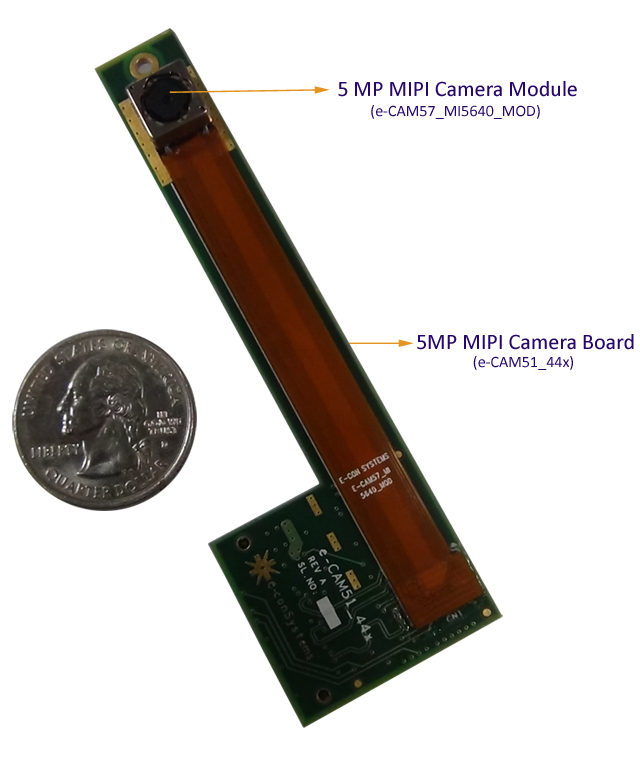
Photographs both pump discharge gauges every 15 minutes
ESP32-S3-WROOM-1-N16R8 · USB 2.0 (UVC) · MJPEG frames
05
IR flash LEDs (x2)
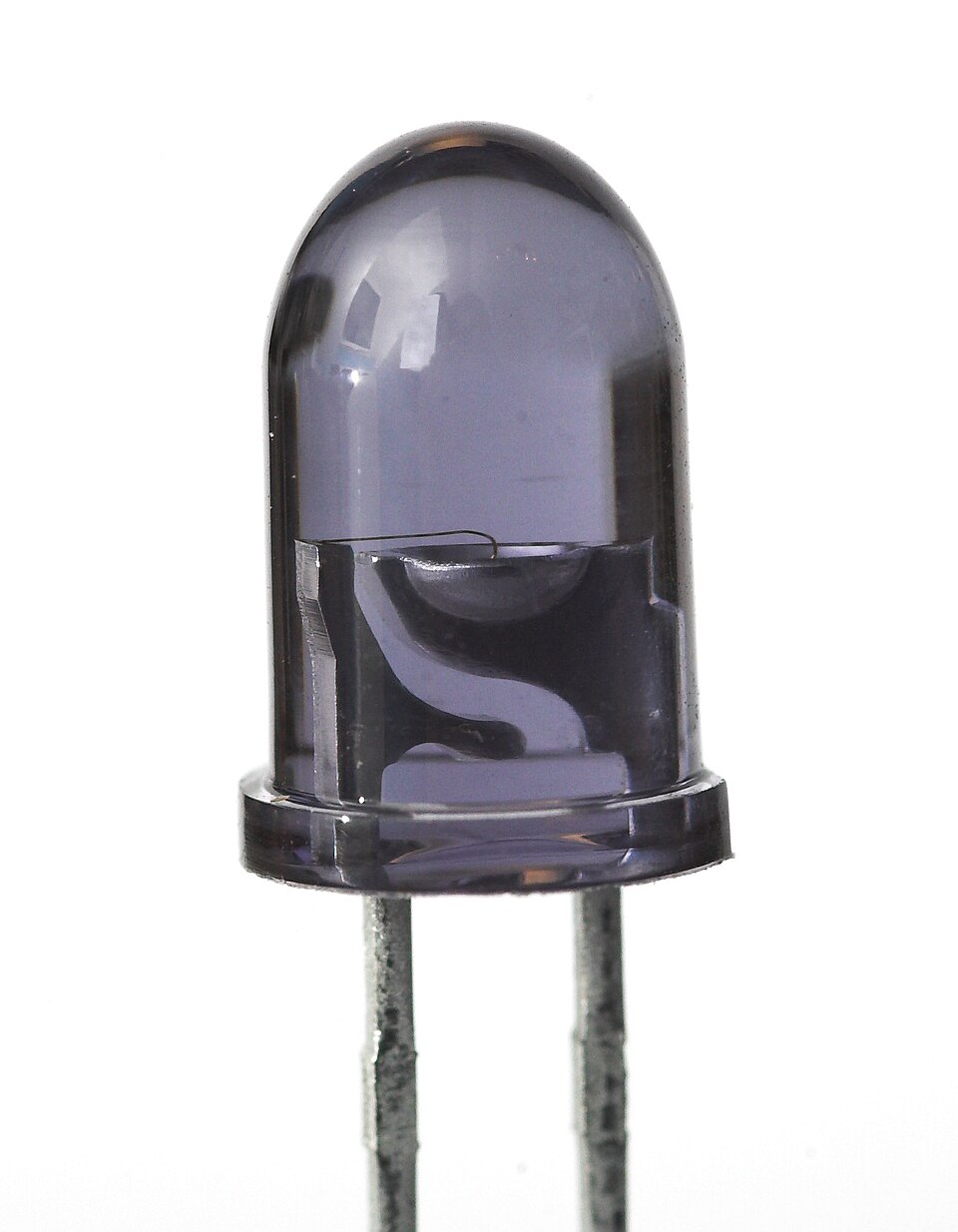
Light the gauges for each photo, day or night
ESP32-S3-WROOM-1-N16R8 · GPIO to MOSFET, same lead · 25 ms flash pulse
06
Thermal eye on door
Sees heat on breakers, contactors and overloads
ESP32-S3-WROOM-1-N16R8 · I²C over 4-wire lead · 32 x 24 temperatures
07
LTE-M radio
Sends alarms and readings; calls out during power cuts
ESP32-S3-WROOM-1-N16R8 · GPIO via MOSFET · Strobe on/off
09
Backup cell
Keeps the radio calling when mains fails
ESP32-S3-WROOM-1-N16R8 · Ideal-diode power OR · 3.6 V backup power
10
All connected
8 key parts, one program, and your phone
What it is
One monitoring board for a small pump station that does three jobs.
What it does
Calls people on high level, pump failure or a power cut
Reads the pump discharge pressure gauges with a camera
Watches the breakers and contactors for hot connections
Who it's for
Small towns, water districts, HOAs, RV parks and mobile-home parks with lift or booster stations.
How the parts connect
PumpStation, wired up
Every part, what links it to the brain, and how the data reaches your phone. A solid line is a cable; a dashed line is a radio link.
Drawn from the PumpStation parts list. The 3D view above is built separately, from the CAD.
The program
What controls PumpStation
Runs on
ESP32-S3 (nRF9151 runs the modem and the power-fail callout)
Written in
C (ESP-IDF with usb_host_uvc and the Melexis MLX90640 API)
System
ESP-IDF (FreeRTOS)
AI model
No neural network; needle reading by image processing, thermal and pump-health rules
1Scan floats and contactors every millisecond, debounce 50 ms
2Log every pump run with current, fill and pump-down time
3Every 15 min: flash, photograph and read both gauges
4Every 10 min: thermal frame, hottest spot per marked region
5Send alarms at once; readings every 15 minutes
pumpstation firmware.cppmain loop
for (;;) {
    vTaskDelay(pdMS_TO_TICKS(1));
    inputs = scan_inputs();                       // opto outputs, 50 ms debounce
    if (ads_ready()) ct_rms = ads131m04_read();    // SPI, per-cycle RMS
    for (each changed input) {
        if (is_alarm(input)) modem_publish("alarm", alarm_json(input));
        update_cycle(&pump, input, ct_rms);
    }
    if (due(GAUGES, 15 * MIN)) {
        frame = uvc_grab_with_flash(25);           // usb_host_uvc + GPIO flash
        read_needles(frame, cal, &gauge);           // psi per dial, with confidence
    }
    if (due(THERMAL, 10 * MIN)) roi_heat(mlx90640_frame(), sht40_read(), &heat);
    if (due(SEND, 15 * MIN)) modem_publish("station", station_json(&pump, &gauge, &heat));
}
To your phone
How the data reaches PumpStation
Phone call, SMS and a web app on any phone
Panel board
LTE-M · MQTT over TLS
IEMI cloud
Voice call, SMS and web app
Operator's phone
What you see in the app
One screen for each job PumpStation does.
03:12
PumpStationHigh level
Station 4 · High level03:12
High-level float on at 03:12. Strobe on. Press 1 to accept.
Accepted
Luis, 03:15
Mains
On, 24.1 V
03:12High-level float on
03:13Call 1: Jen, no answer
03:15Call 2: Luis pressed 1
03:40Level normal, float off
Accept
High levelOvernight the high-level float trips at lift station 4. The board phones the on-call list in turn until someone presses 1.
07:00
PumpStationPump health
Pump 2: likely debris07:00
Current up 12% to 14.8 A, pump-down 20% slower.
Pump 2
14.8 A
Capacity
86% of normal
Pump 1
13.1 A
Pump 2 current, last 14 days (A)
Pump healthEvery pump run is logged with its current and pump-down time. Over two weeks pump 2 draws more current and pumps down slower: likely debris.
06:45
PumpStationGauge reading
Pump 2 discharge low06:45
Pump 2 at 21 psi, 3 below normal. Pump 1 at 24 psi.
Pump 1
24 psi
Pump 2
21 psi
Gauge readingEvery 15 minutes a small camera on the panel stand flashes and reads both discharge gauges, so nobody drives out just to look at them.
06:40
PumpStationPanel heat
P2 contactor L3 warming06:40
L3 at 51 °C, 9 °C over L1 and L2. Check the terminal.
Hottest
51 °C
Over others
+9 °C
Panel, hottest spot per part
P2 L1 · 42 °C
P2 L2 · 42 °C
P2 L3 · 51 °C
P1 contactor
Main breaker
Book a visit
Panel heatA thermal eye on the inside of the panel door watches the breakers and contactors. One phase running hotter than the other two is flagged early.
App screens with sample data. The interface is in development.
What the app gets
Data PumpStation sends to the app
High-level alarm
Station 4 high level, press 1
At once
Pump current and capacity
Pump 2: 14.8 A, 86% of normal
Each pump run
Discharge pressure
Pump 1: 21 psi (normal 24)
Every 15 min
Panel hot spot
P2 contactor L3 +9 °C over L1/L2
Every 10 min
Power state
Mains off, on backup cell
At once
The camera sees only the gauge board and photos stay on the device; only numbers leave. No inbound ports.
CAD design · Design rev A, 27 Oct 2026: CAD, fit checks and assembled 3D model done; not built
Designed in code, checked in 3D
12 printed parts, each a single closed solid
Every bought part fitted inside and checked for collisions
Assembled exactly as shown in the 3D CAD view (the button on the picture at the top)
Espressif ESP32-S3-WROOM-1-N16R8 on the LiftStation board, with a Nordic nRF9151 as the cellular radio
Sensors
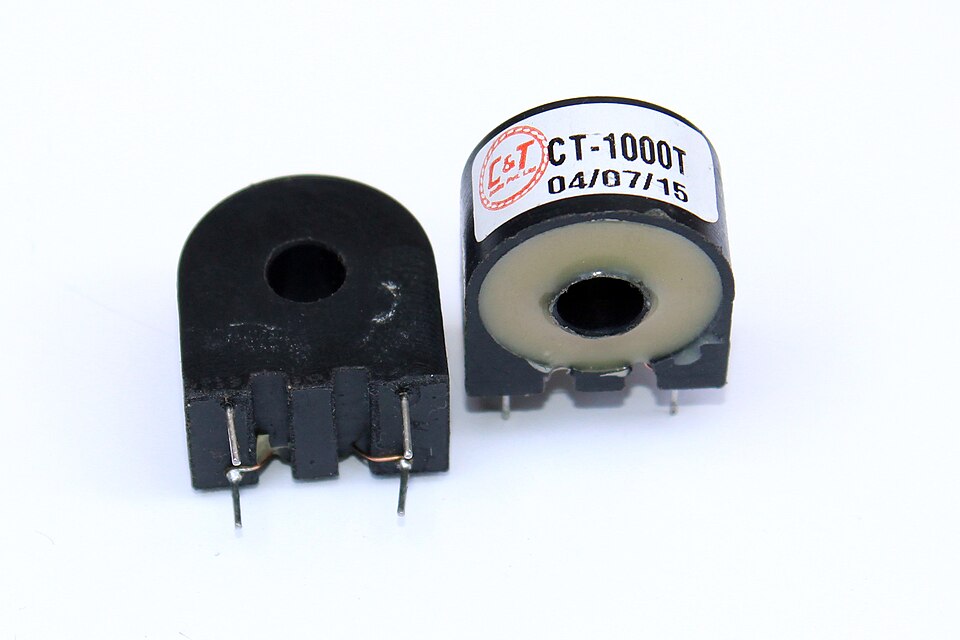
Eight isolated inputs for floats, contactors, generator and door · Two Magnelab split-core current clamps, one per pump · OV5640 USB camera with two 850 nm infrared LEDs on the panel stand · Melexis MLX90640 thermal array (110°) and SHT40 air sensor on the panel door
Connectivity
Nordic nRF9151: LTE-M or NB-IoT, MQTT over TLS · Voice call, SMS and web app · Relay for the station's local strobe or horn
Power
From the panel: Mean Well HDR-15-24 DIN supply (electrician-installed), about 0.6 W on average (est.); Saft LSH20 backup cell for the power-cut call
Enclosure
Lives inside the station's existing NEMA 4X panel; printed board carrier and cover, black thermal eye pod, white camera head with a black hood and post clamp
Dimensions
Board 130 x 100 x 31 mm; thermal eye 50 x 40 x 32 mm; camera head 64 x 48 x 89 mm with hood and clamp
Weight
~0.6 kg in total without leads (est.)
Ingress rating
Board inside the NEMA 4X panel; camera head outdoor, IP65 design target (not tested)
All target specifications
Jobs
Jobs target specifications
Alarms
High level, pump fail, power cut, generator, door; voice and SMS with acknowledgement
Pumps
Current, run time, starts and pump-down rate per pump
Gauges
Up to 6 dials in view, read every 15 minutes, day or night
Panel heat
Breakers, contactors and overloads, phase against phase, every 10 minutes
Install
Install target specifications
Panel
TS35 DIN rail, 24 V from the panel, about 1 hour with an electrician
Camera
Clamps on a 2 in stand post, 1.5 m lead, 0.3–1 m from the gauges
Thermal eye
Magnets on a steel door, 0.6 m lead, 10–20 cm from the breakers
Radio
LTE-M or NB-IoT; signal check before the installer leaves
Targets for production units; they may change during development.
Pricing
Hardware: $1,690per station incl. 2 current clamps, gauge camera and thermal eye; electrician install quoted per site
Software: $49 per station per month (LTE data and callouts included)
Target pricing. Bought separately, LiftStation AI ($1,390 + $39/month), GaugeRead AI for 3 gauges (3 × $349 + 3 × $12/month) and PanelHeat AI Lite ($390 + $12/month) add up to $2,827 + $87/month per station. Parts cost about $308 per station at qty 1 (est.).
Station
$1,690 + $49/mo
All three jobs at one station.
Callouts and pump health
Gauge camera
Panel thermal eye
Monthly report
System
$1,490 + $45/mo per station (5+)
Every station of a town or district on one page.
All stations on one map
Shared call tree
CSV and MQTT
Dry contact for SCADA
Custom
Custom
Utilities and pump contractors.
Volume pricing
Contractor access
API
Extended warranty
Indicative launch pricing in USD, excluding taxes and shipping. Final pricing is confirmed before any balance is charged.
Community
What do you think of PumpStation?
PumpStation is in development. Rate the idea, tell us what to change about the features, specs or price, and we'll build it with your feedback.
LatestA town or water district needs one thing at each lift station that calls high water, a failed pump, a power cut and entry to the person on call, as the Ten States Standards (section 46) ask, and that reads the gauges and watches the panel between rounds. Today they pay for a cellular alarm dialer (Mission M110 $1,195 plus service, about $55 per station per month in a Florida utility filing), drive the round to read gauges and pay for a yearly heat survey.
Now part of PumpOne: https://iemilabs.com/products/pumpone/
Small towns, water districts and private owners (HOAs, RV parks, mobile-home parks) have three jobs at every pump station: answer the alarm, know each pump is still pumping, and catch a hot connection in the panel. Daily lift-station checklists list alarms, levels and pump readings (MaintainX), pressure is read with pumps off and running (Indiana DNR), a site visit costs $500–2,000 or more (Vista Projects), and a cellular dialer alone is $1,200–1,600 (Mission, Sensaphone). Our own three products for it cost $2,827 and $87 a month per station.
New product PumpStation: one board on the panel's DIN rail does the jobs of LiftStation AI, GaugeRead AI and PanelHeat AI, with one ESP32-S3 brain, one LTE-M radio, the panel's own 24 V and one app
Reused CAD parts unchanged: LiftStation's board carrier, DIN clamp, cover, backup-cell cradle, wire tag and cable clip; new thermal eye body and magnet back for the inside of the door, and a gauge camera body, back, hood and post clamp; 12 printed parts, each one solid, every bought part fits
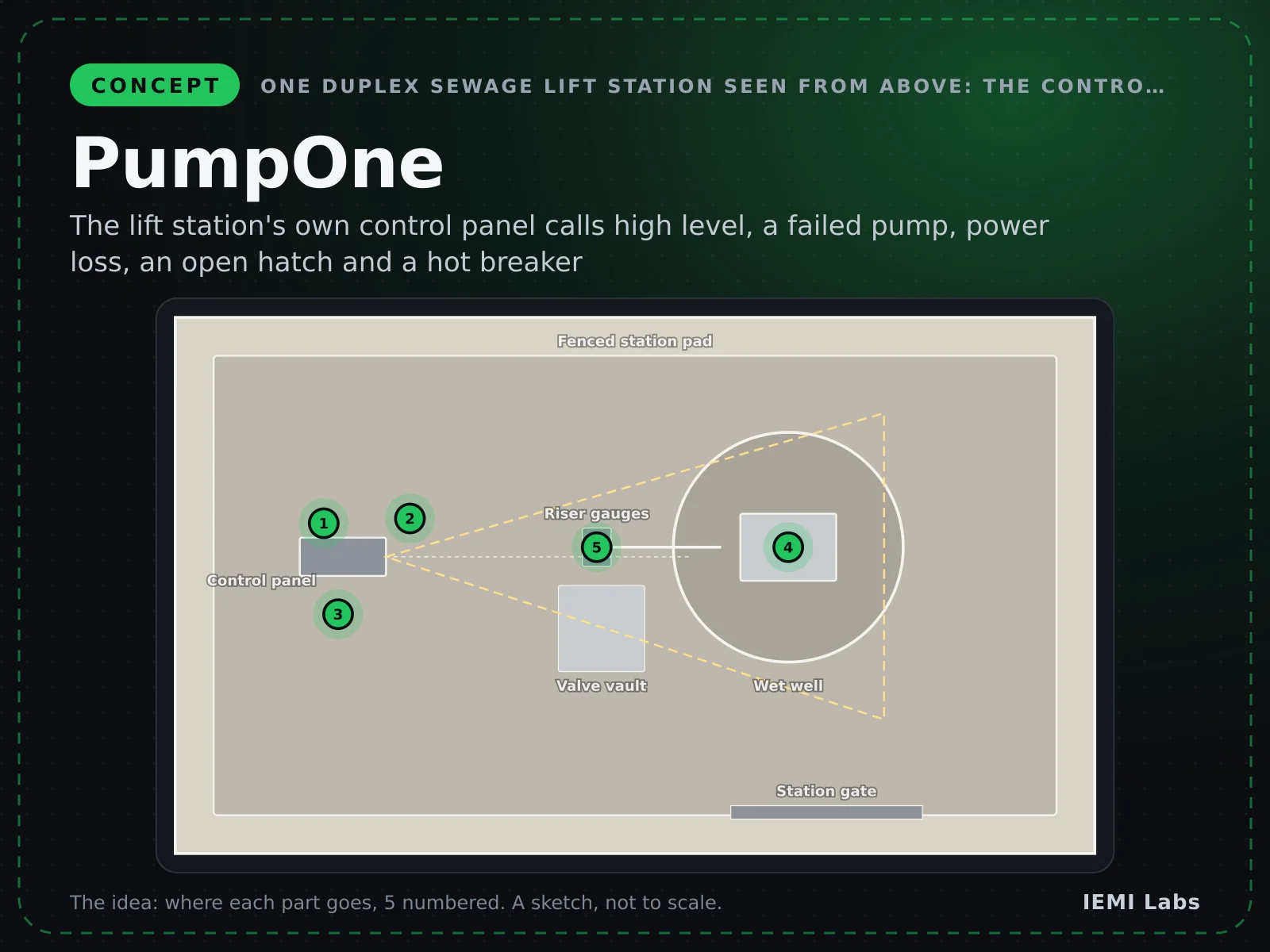
3D view: a grey pump panel on its two-post stand with the door shown clear, the breaker row and the board inside, the thermal eye on the door, and the camera on the right post facing a gauge board with both pump discharge gauges; nothing in the wet well
Dropped: GaugeRead's batteries, solar and LoRa radio; PanelHeat's own node, battery, LoRa link, site hub and the $167 RFID tag reader (small panels have plastic-bodied breakers the thermal eye can see). Changed: the camera now plugs in by USB on a 1.5 m lead, and the thermal sensor has a wider 110° lens
Product page https://iemilabs.com/products/pumpstation/: $1,690 + $49/month instead of $2,827 + $87/month; parts about $308 at quantity 1 (est.)
Small towns, water districts and private owners (HOAs, RV parks, mobile-home parks) have three jobs at every pump station: answer the alarm, know each pump is still pumping, and catch a hot connection in the panel. Daily lift-station checklists list alarms, levels and pump readings (MaintainX), pressure is read with pumps off and running (Indiana DNR), a site visit costs $500–2,000 or more (Vista Projects), and a cellular dialer alone is $1,200–1,600 (Mission, Sensaphone). Our own three products for it cost $2,827 and $87 a month per station.
Combined into PumpStation (https://iemilabs.com/products/pumpstation/); LiftStation AI itself is unchanged
Small towns, water districts and private owners (HOAs, RV parks, mobile-home parks) have three jobs at every pump station: answer the alarm, know each pump is still pumping, and catch a hot connection in the panel. Daily lift-station checklists list alarms, levels and pump readings (MaintainX), pressure is read with pumps off and running (Indiana DNR), a site visit costs $500–2,000 or more (Vista Projects), and a cellular dialer alone is $1,200–1,600 (Mission, Sensaphone). Our own three products for it cost $2,827 and $87 a month per station.
Combined into PumpStation (https://iemilabs.com/products/pumpstation/); GaugeRead AI itself is unchanged
Small towns, water districts and private owners (HOAs, RV parks, mobile-home parks) have three jobs at every pump station: answer the alarm, know each pump is still pumping, and catch a hot connection in the panel. Daily lift-station checklists list alarms, levels and pump readings (MaintainX), pressure is read with pumps off and running (Indiana DNR), a site visit costs $500–2,000 or more (Vista Projects), and a cellular dialer alone is $1,200–1,600 (Mission, Sensaphone). Our own three products for it cost $2,827 and $87 a month per station.
Combined into PumpStation (https://iemilabs.com/products/pumpstation/); PanelHeat AI itself is unchanged
It does the job of LiftStation AI (alarm callouts and pump health), GaugeRead AI (reading analog gauges) and PanelHeat AI (heat on breakers and contactors) with one brain, one radio and one app in the station's own panel. Bought separately they cost $2,827 + $87 a month per station; PumpStation is $1,690 + $49 a month (target).
Does anything go into the wet well?
No. Wet wells are hazardous areas. PumpStation reads only the safe side of the floats' existing relays and the contactor contacts in the panel, and the camera looks at the gauges on the discharge pipe outside.
Can it start or stop the pumps?
No. It has no pump control. Its one relay only switches the station's local strobe or horn.
Does the thermal eye replace our annual infrared survey?
No. It watches the plastic bodies of breakers, contactors and overloads between surveys and flags one phase running hotter than the others. It cannot see bare copper behind covers, it is not a fire detector, and your survey and maintenance plan stay as they are.
How accurate are the gauge readings?
We do not claim an accuracy yet. Before the pilot every design must read 95% of bench gauges within ±2% of full scale, and the app holds a reading it is unsure of instead of sending it.
Is PumpStation available now?
No. It is a concept in design; the CAD and fit checks are done, but it has not been built or tested. We are not taking orders, reservations or deposits.